Tariffs vs Treasuries: What’s Driving Gold Prices Now
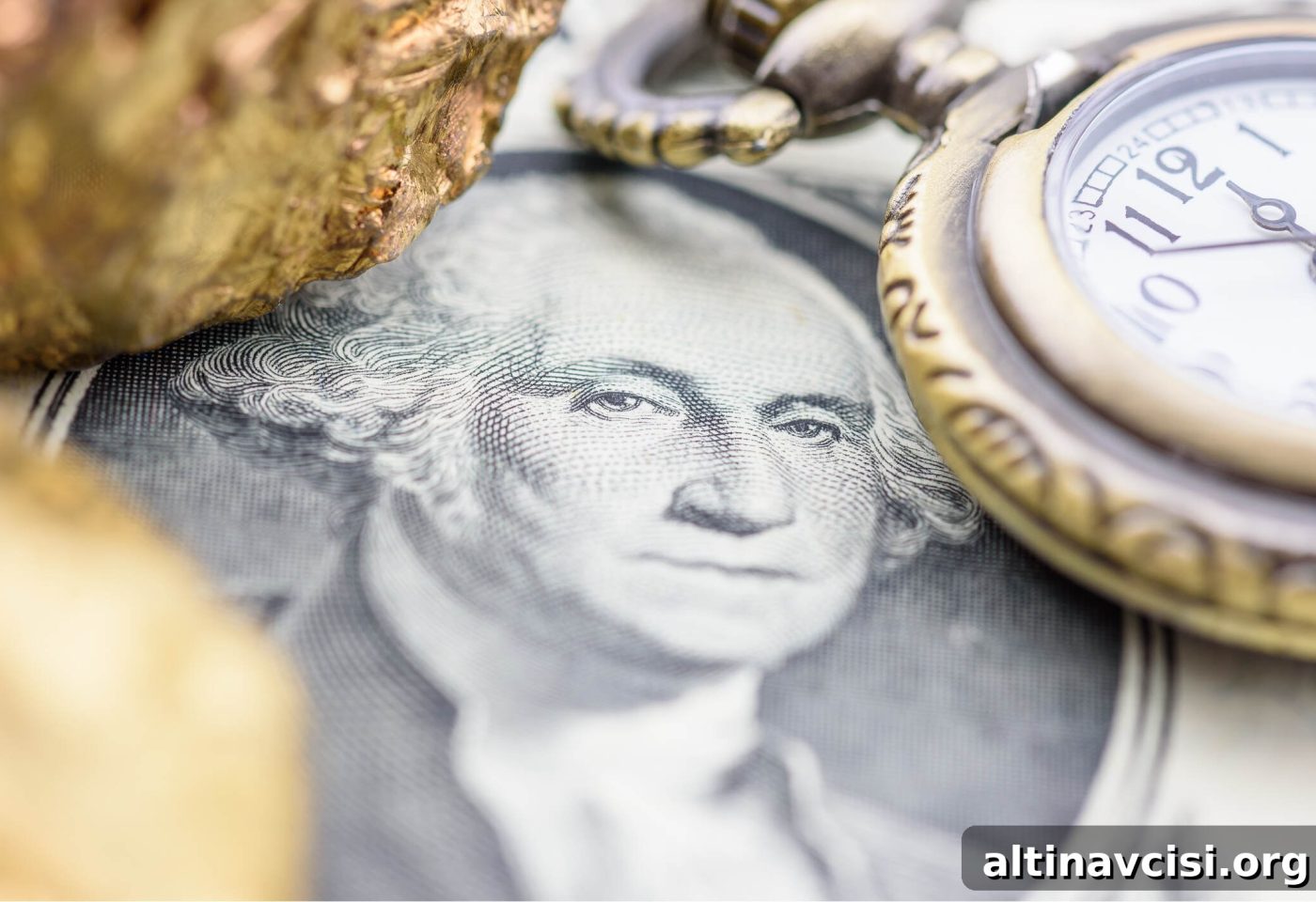
Gold Prices Slip as Treasury Yields Rise After New Tariff Announcement
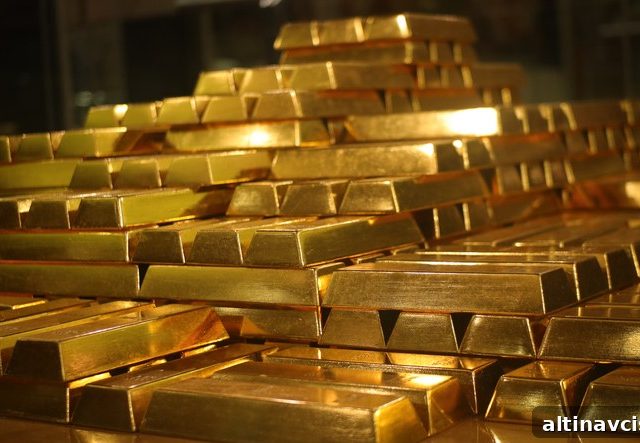
Gold edged lower this week after a notable rise in U.S. 10-year Treasury yields that followed President Trump’s announcement of aggressive new tariffs aimed at several major Asian trade partners. The tariff move, framed as a lever to force renegotiation of trade agreements, introduced a fresh layer of economic uncertainty that markets are still digesting.
Immediate market reaction
The uptick in Treasury yields put near-term pressure on gold, a pattern commonly observed when yields rise. Higher real yields increase the opportunity cost of holding non-yielding assets like gold, which often reduces demand among yield-sensitive investors. At the same time, the tariff announcement triggered fears about a slowdown in global growth and the possibility of retaliatory measures from China, factors that could support safe-haven demand for gold over a longer horizon.
Why Treasury yields matter for gold
Movements in benchmark government bond yields, particularly the U.S. 10-year Treasury, are closely watched by commodity and currency markets because they influence borrowing costs, discount rates and investor preferences. When yields climb, bonds and other income-bearing assets become relatively more attractive compared with gold. Conversely, when yields fall or when inflation expectations rise without a corresponding increase in yields, gold often benefits as a hedge against currency erosion and uncertainty.
Tariffs, trade tensions and economic uncertainty
The newly announced tariffs were presented as a strategy to extract more favorable terms in trade negotiations. While the intended goal is to reshape trade relationships, imposing tariffs can also dampen global growth by raising costs for importers and exporters and by creating uncertainty for multinational supply chains. Market participants are concerned that retaliation from affected countries—China singled out as a possible respondent in initial coverage—could amplify the shock to global trade flows and corporate earnings, encouraging more investors to seek protective assets like gold.
Federal Reserve minutes and interest rate expectations
Investors are closely watching the upcoming Federal Reserve meeting minutes for clues about the central bank’s view of the economy and the likely path of interest rates. Any hint that the Fed is prepared to adjust policy in response to rising yields or slowing global growth could shift the outlook for both bond markets and safe-haven assets. If the Fed signals a willingness to tighten faster than expected, higher interest rates could weigh on gold. Alternatively, if policymakers emphasize downside risks from trade tensions and signal a more accommodative stance, that could bolster gold’s appeal.
How investors might respond
Given the mix of forces at play—rising yields, trade-driven uncertainty and an upcoming disclosure of Fed deliberations—investors may take a variety of approaches. Some may reduce gold exposure in favor of yield-bearing assets as Treasury yields climb. Others may view recent price weakness as an opportunity to add to gold positions as a hedge against potential escalation in trade disputes and the risk of slower global growth. Portfolio allocations will likely reflect individual risk tolerance, time horizon and expectations for inflation and monetary policy.
Outlook for gold and markets
In the short term, higher Treasury yields are likely to exert downward pressure on gold prices. However, the longer-term direction will depend on whether tariff-driven trade friction intensifies and whether central bankers adjust policy in response to evolving economic conditions. Persistent uncertainty, rising geopolitical risk or evidence of slowing global growth could support gold as a safe-haven asset, even if yields remain elevated for a period.
Market participants will continue to monitor developments around trade negotiations, any retaliatory steps from affected countries, and the Federal Reserve’s communications for clearer signals on interest rate policy. These factors together will influence whether gold’s recent decline proves temporary or marks the beginning of a more sustained move tied to changing macroeconomic dynamics.
Popular Topics
Picked from the archive
-
01
 Topics
Gold Prices Jump Near Record as Middle East Conflict Escalates
-
02
Topics
Gold Slips as US-China Trade Tensions Ease, Investors Eye Data
-
03
Topics
Trump’s Fed Attacks Raise European Alarm Over $245B US Gold
-
04
Topics
Gold Falls Below $3,300 as US-China Trade Hopes Rise
-
05
Topics
Oil Price Tops $65 as US-China Trade Talks Lift Markets
-
06
Topics
401(k) to Gold IRA Rollover: Secure Your Retirement with Gold
-
07
Topics
Fed’s Bowman and Waller Support Possible July Rate Cut
-
08
Topics
Gold Hits 70th Record High as Central Banks Dump Dollar Reserves