Supreme Court Ruling Threatens Federal Agency Independence
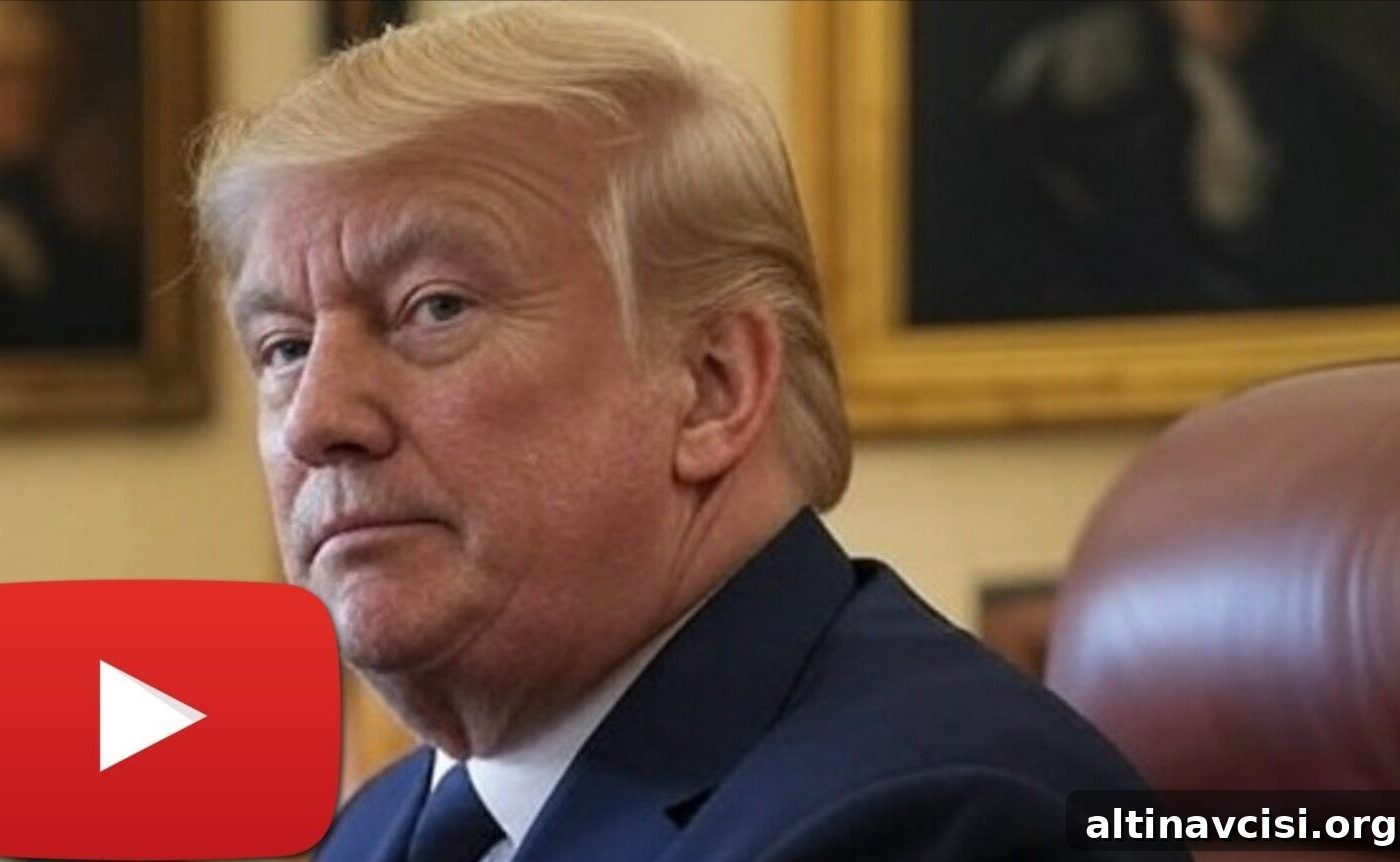
A recent 6-3 Supreme Court decision has renewed debate about the future independence of the Federal Reserve and other independent regulatory agencies. The ruling, issued on May 22 via an emergency docket, upheld the President’s removal of two members from independent government agencies and established that agency staff can in some circumstances be dismissed without demonstrating cause. That legal development has prompted concern among scholars, practitioners, and observers about how the balance between political oversight and institutional autonomy might shift going forward.
The court’s majority opinion effectively reversed a lower court’s ruling that had offered more robust protections for agency officials. By stepping in through the emergency docket, the Supreme Court announced an approach that narrows the circumstances in which federal officials can claim insulation from political removal. Although the majority attempted to limit the ruling’s reach and explicitly reassured the public that it was not intended to directly alter the Federal Reserve’s statutory independence, commentators and legal experts remain uncertain about how the decision will be applied in future disputes.
Central to the debate is a longstanding tension in administrative law: how to preserve the independence of specialized agencies while ensuring democratic accountability for executive actions. The Federal Reserve has long been seen as a model of insulated policy-making, structured by statute to guard monetary policy decisions from short-term political pressures. Critics of the recent ruling worry that eroding removal protections for agency officials could make it easier for political leaders to influence or replace decision-makers, potentially affecting policy continuity and the perceived impartiality of institutions that rely on technical expertise.
Supporters of the court’s decision emphasize the need for elected officials to retain sufficient authority to supervise executive-branch appointees. They argue that clearer lines of accountability help ensure that agencies remain responsive to public priorities and that no government body becomes effectively unaccountable. Proponents also point out that the ruling, as framed by the majority, was careful to avoid an across-the-board dismantling of agency independence, suggesting that future courts may evaluate removal questions on a case-by-case basis.
Legal scholars responding to the decision have expressed a range of views. Some interpret the ruling as narrowly tailored and unlikely to immediately dislodge statutory protections for bodies like the Federal Reserve. Others caution that the precedent could be broadened in subsequent litigation, setting a trajectory that reduces insulation for officials across a variety of independent agencies. The broad skepticism stems not just from the text of the ruling itself but from uncertainty about how lower courts will interpret and apply the Supreme Court’s reasoning.
Beyond the legal technicalities, the ruling raises important practical questions for governance and markets. The Federal Reserve’s credibility rests in part on the perception that its policy-making is informed by technical expertise rather than short-term political considerations. Even if the court’s statement distancing the decision from the Fed is sincere, the mere possibility that removal protections can be weakened may influence how market participants and international observers evaluate the central bank’s independence.
Ultimately, the lasting impact of this decision remains to be seen. The Supreme Court’s emergency order resolved an immediate legal dispute but left open broader interpretive questions about the scope of removal protections for agency officials. As lower courts and litigants grapple with these issues, policymakers, regulators, and financial-market participants are likely to watch closely for signals about the future relationship between political leadership and independent institutions.
For now, the ruling stands as a significant judicial development with potential consequences for administrative independence. While the Supreme Court attempted to limit its effects on institutions such as the Federal Reserve, the ruling has already catalyzed renewed discussion about the institutional safeguards that protect technical, nonpartisan decision-making within the federal government and the degree to which political actors should be able to remove agency officials without demonstrating cause.
Popular Topics
Picked from the archive
-
01
 Topics
Dollar Posts Worst Monthly Drop Since 2022 Amid Trade Tensions
-
02
Topics
Is Germany’s Gold Safe in US Custody Under Trump?
-
03
Topics
Q1 2025 Gold Demand Trends – World Gold Council
-
04
Topics
Chinese Demand Fuels Rally in Gold and Silver
-
05
Topics
Gold Drops as US-China Trade Truce Alters Investor Sentiment
-
06
Topics
Housing Market Slows; Inflation Fears Shake Consumer Confidence
-
07
Topics
Incrementum In Gold We Trust Report: Gold Market Outlook
-
08
Topics
Long-Term US Treasury Yields Hit 10-Year High