Dollar Posts Worst Monthly Drop Since 2022 Amid Trade Tensions
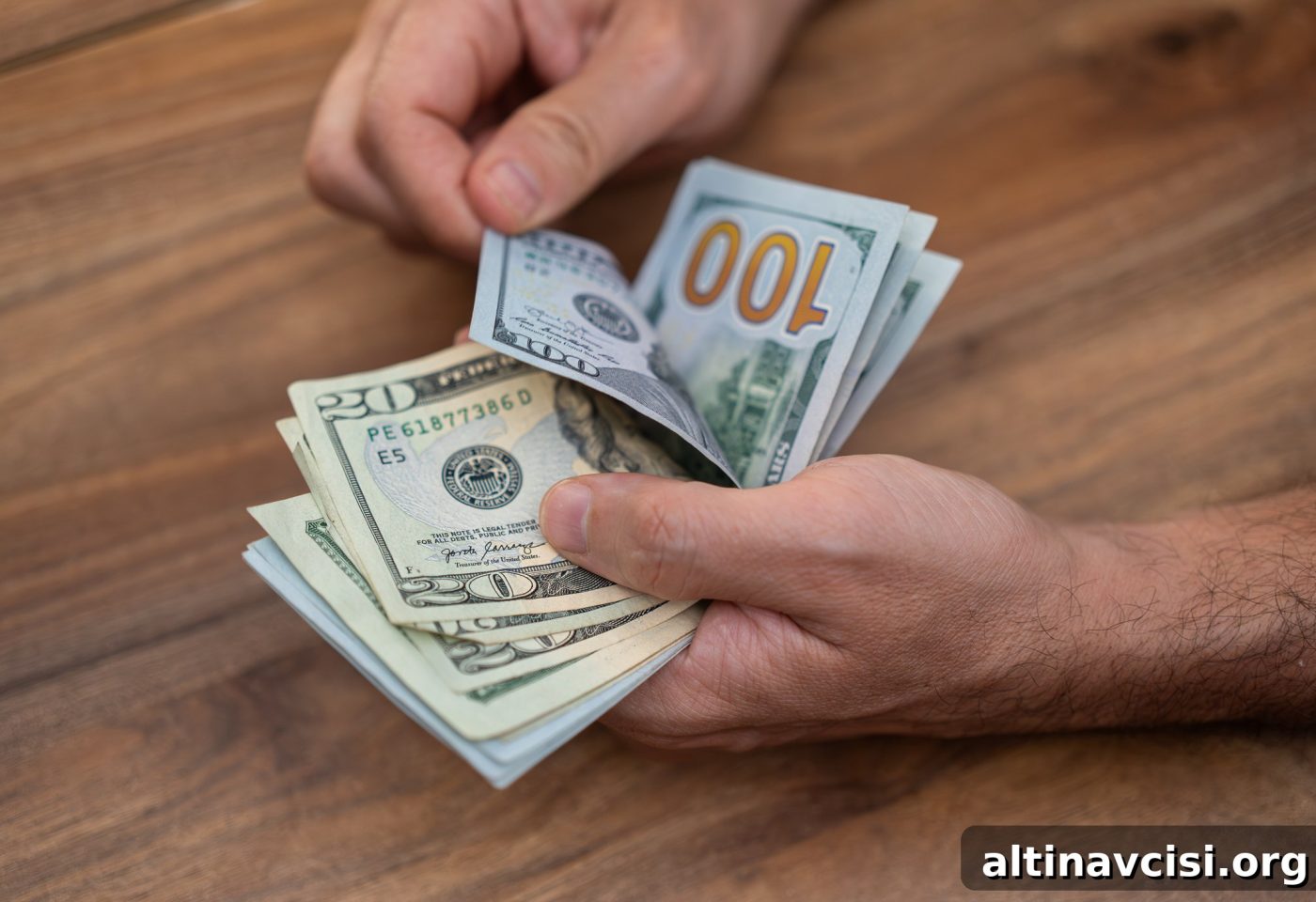
US Dollar Slides as Trade Uncertainty Returns and Investors Reprice Risk
After a brief rally on Wednesday driven by comments from President Trump that struck a more conciliatory tone regarding China and remarks touching on the Federal Reserve, the US dollar resumed its decline on Thursday. The initial optimism faded after Beijing clarified that no trade negotiations had taken place and urged the United States to lift existing tariffs, a development that dampened investor sentiment and undermined the earlier market bounce.
What happened this week
The dollar’s setback comes amid renewed uncertainty about the trajectory of US-China relations. Markets had reacted positively to signals that tensions might ease, but China’s statement — emphasizing the absence of formal trade talks and reiterating a demand for tariff removal — reduced confidence that a quick de-escalation is underway. That reversal in tone pushed traders to reassess the odds of progress on the trade front and to pull back on dollar bets that had been built on expectations of improved relations.
Short-term moves were amplified by a larger picture of portfolio rebalancing. The dollar has fallen nearly 5% over the course of April, a sizeable decline for a single month in major currency markets. As that drop unfolded, market participants noted increasing willingness among non-US investors to scale back dollar holdings, a trend that several economists see as likely to continue unless there is a clear and sustained policy or trade breakthrough.
Market reaction and currency flows
Many other currencies strengthened against the dollar as traders moved away from US assets. The shift reflected a combination of factors: reassessed trade risks, changing expectations about relative monetary policy and interest rates, and a broader rotation of global capital away from American exposure. Investors often respond to heightened geopolitical or trade-related uncertainty by reallocating portfolios, and this month’s dollar weakness suggests that some portfolio managers and international investors are reducing their US weightings.
Currency markets can be highly sensitive to headlines and official statements, particularly when those statements affect the outlook for tariffs, trade barriers, and cross-border investment. In this episode, China’s request for the US to remove tariffs reinforced the view that unresolved trade frictions remain a material risk, limiting the scope for sustained dollar strength despite earlier hopes raised by conciliatory rhetoric.
Risk assets and unconventional effects
Beyond traditional currencies and bond markets, the rally in risk appetite that briefly followed conciliatory comments also spilled into other asset classes. One notable example this week was a surge in a politically associated meme coin that rose roughly 33% after promotion tied to a gala dinner featuring the president. Such behavior illustrates how political events and high-profile endorsements can move speculative corners of financial markets, attracting retail traders and amplifying short-term volatility in niche digital assets.
While meme coin moves do not carry the same macroeconomic consequences as broad currency shifts, they reflect the way political developments can influence sentiment across a wide range of instruments, from mainstream FX trades to highly speculative crypto positions.
Outlook and what to watch
Looking ahead, several developments will be key to the dollar’s near-term path. First, any tangible progress — or lack thereof — on US-China trade discussions will quickly affect investor expectations and capital flows. Second, statements and actions from the Federal Reserve and other major central banks will continue to shape interest rate differentials that influence currency valuations. Finally, patterns of international portfolio reallocation by non-US investors will be important: if the trend of reducing dollar exposure continues, it could exert further downward pressure on the currency.
For now, markets remain sensitive to headlines and official communications. Traders and portfolio managers are likely to monitor tariff rhetoric, the tone of any follow-up discussions between Washington and Beijing, and key monetary policy cues to reassess positioning. Until there is clearer evidence of durable policy shifts or agreement on trade issues, the dollar may remain vulnerable to additional bouts of weakness as global investors rebalance their holdings.
Popular Topics
Picked from the archive
-
01
 Topics
Reuters Poll: Gold Set to Extend Rally Through 2026
-
02
Topics
Gold’s 30% Post-Election Rally Consolidates as ETF Flows Slow
-
03
Topics
Kevin O’Leary Rejects Wall Street’s 2025 Recession Forecast
-
04
Topics
Zambia Readies Local Content Rules as Copper Output Surges 30%
-
05
Topics
Goldman Analyst: China’s Pre-Holiday Selloff Sends Gold Tumbling
-
06
Topics
Asian Gold Prices Split: India Discounts, China Premiums
-
07
Topics
India Proposes Targeted Zero-Tariff Offer to Speed US Trade Deal
-
08
Topics
China Opens New Hong Kong Gold Vault to Boost Trading