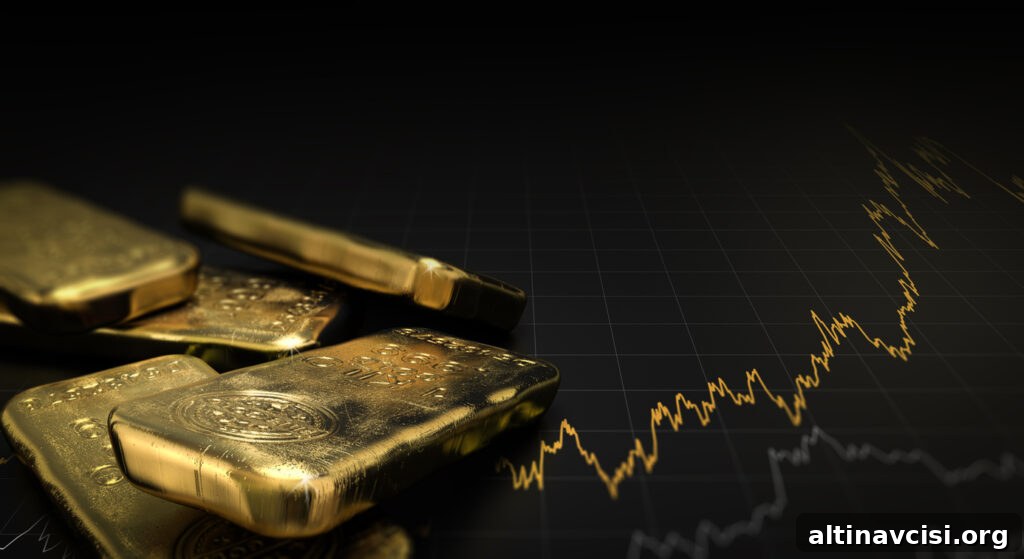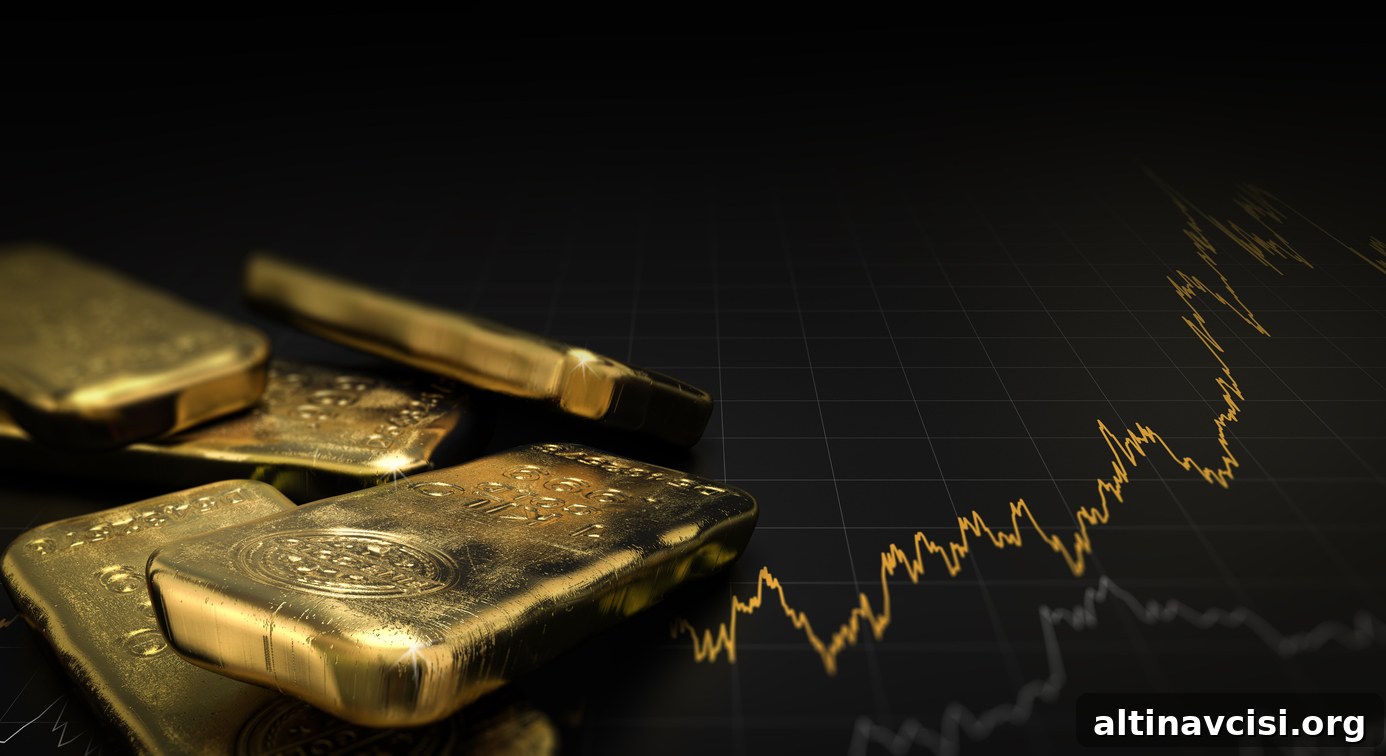
Despite gold’s strong gains in 2024, many analysts see further upside for the metal in 2025. Forecasts point to prices potentially reaching $3,100 per ounce, supported by several durable drivers.
Central bank buying remains a central factor underpinning the outlook. Many official institutions have been diversifying reserves away from a single currency and into precious metals, and that ongoing demand is expected to sustain upward pressure on prices. In addition, consumer demand in Asia—especially from jewellery and investment buying in countries such as China and India—continues to be a significant, recurring source of physical demand that bolsters market fundamentals.
Investors also view gold as a hedge against geopolitical uncertainty and financial market volatility. With persistent geopolitical tensions around the world, the metal’s role as a safe-haven asset attracts capital when risk sentiment deteriorates. This flight-to-safety effect can amplify price moves even while major equity markets remain resilient.
Monetary policy expectations are another key influence. Many market participants anticipate rate cuts from major central banks in the coming months. Falling interest rates tend to reduce the opportunity cost of holding non-yielding assets like gold, enhancing its appeal. At the same time, a strong US dollar can moderate gains, but analysts argue that the combination of central bank purchases, robust Asian consumer demand, and safe-haven flows could outweigh dollar strength and push prices higher.
Beyond short-term drivers, gold’s role within diversified portfolios is expected to strengthen. Portfolio managers often allocate to gold as an inflation hedge, a diversifier against equity drawdowns, and protection against currency debasement. As macroeconomic uncertainty persists—ranging from growth concerns to fiscal and geopolitical risks—gold’s strategic value to investors is likely to keep demand elevated.
Market structure and supply-side dynamics also matter. Mining production and recycling flows respond slowly to price changes, meaning sustained demand can translate into a tighter market. Any interruptions to mine output or shifts in scrap supply could further reduce available metal and support higher prices.
In summary, while no forecast is certain, a mix of continued central bank accumulation, steady Asian consumer buying, investor demand for safe assets amid geopolitical risks, and expectations for lower interest rates provide a plausible case for gold approaching $3,100 per ounce in 2025. These factors, together with limited short-term supply responsiveness, underpin bullish sentiment even in a backdrop of a strong dollar and healthy equity markets.