
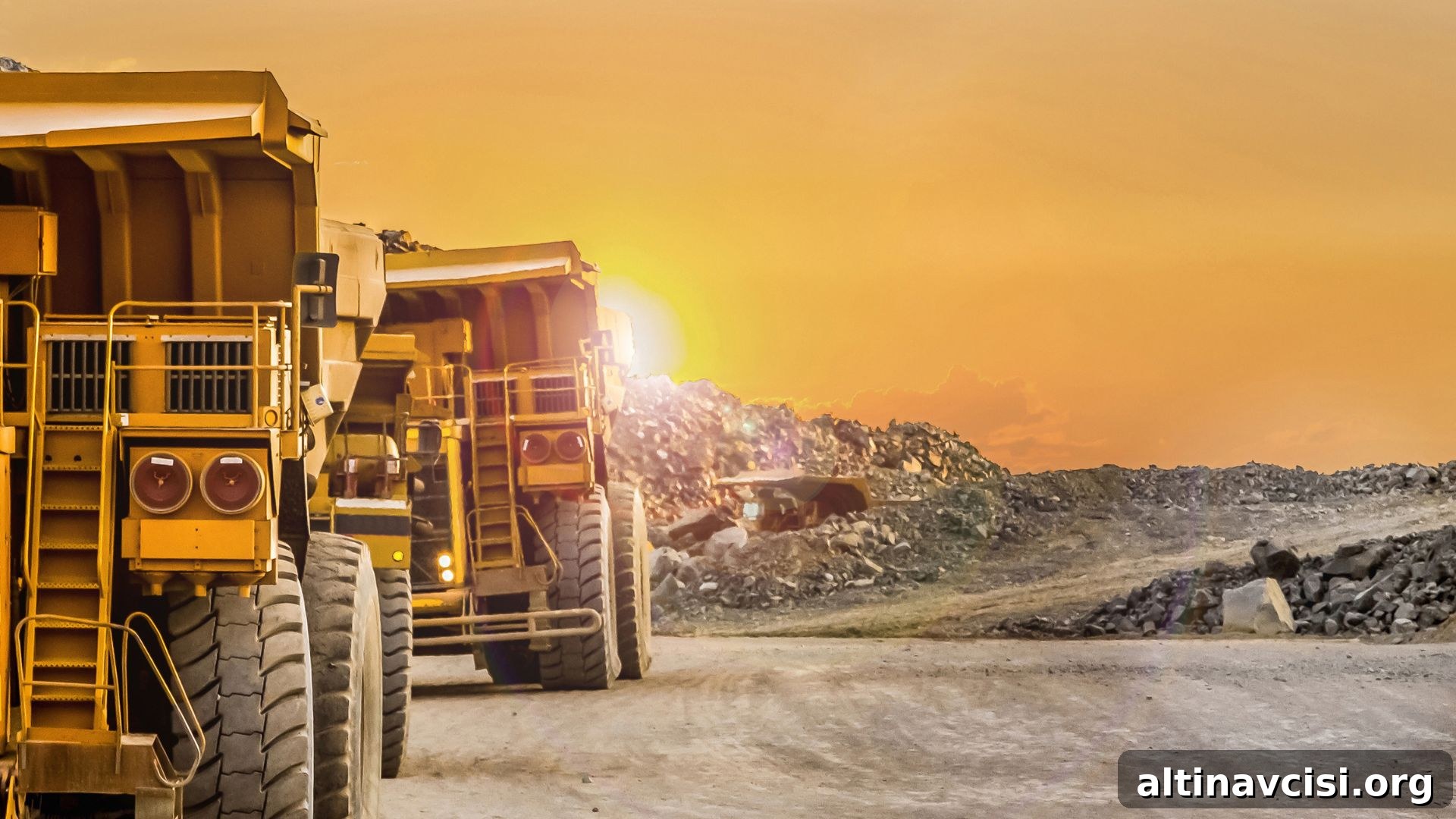
The global surge in gold prices this year, driven by investors seeking safe-haven assets amid trade and economic uncertainty, is reshaping rural economies across Zimbabwe.
More than 700,000 informal miners are now tapping into the high value of the metal, turning small-scale and artisanal mining into a crucial livelihood for communities in the country’s gold-rich areas. These miners — operating largely outside formal industrial systems — are extracting gold to sell locally or through informal networks, generating income that supports families and local markets.
This grassroots mining expansion is providing much-needed economic relief in a nation that has faced persistent financial challenges since 2000. For many rural households, earnings from artisanal gold activities cover food, school fees, healthcare and small business costs. In some districts, the influx of cash from gold has stimulated secondary economic activity, such as transport, trade in basic goods, and services that cater to mining communities.
While the boom offers immediate benefits, it also introduces risks and complexities. Informal mining often lacks regulatory oversight, which can lead to unsafe working conditions, environmental degradation, and insecure tenure over land and mineral rights. Women and youth participate heavily in these operations, but they may not always receive fair prices or protections. Local authorities and community groups are increasingly under pressure to find ways to formalize and support artisanal miners without shutting down a vital income source.
Policy responses that have been discussed include creating simpler licensing procedures for small-scale miners, providing training and equipment to improve safety and productivity, and establishing transparent buying channels so miners get fair compensation. Environmental measures — such as promoting less harmful processing methods and enforcing reclamation standards — are also important to protect farmland, water sources and public health.
The relationship between global commodity prices and local wellbeing is clear in Zimbabwe’s case: rising international gold prices can translate directly into better livelihoods for rural households, but sustaining those gains will depend on balancing economic opportunity with social and environmental safeguards. Strengthening market access, improving governance of the mining sector, and investing in community services can help ensure that the benefits of higher gold prices are more widely and sustainably shared.
As long as gold remains attractive to global investors, artisanal mining will likely continue to be a significant element of Zimbabwe’s rural economy. The challenge for policymakers, communities and development partners is to harness this resource-driven income in ways that protect people and the environment while building longer-term resilience beyond dependence on volatile commodity markets.