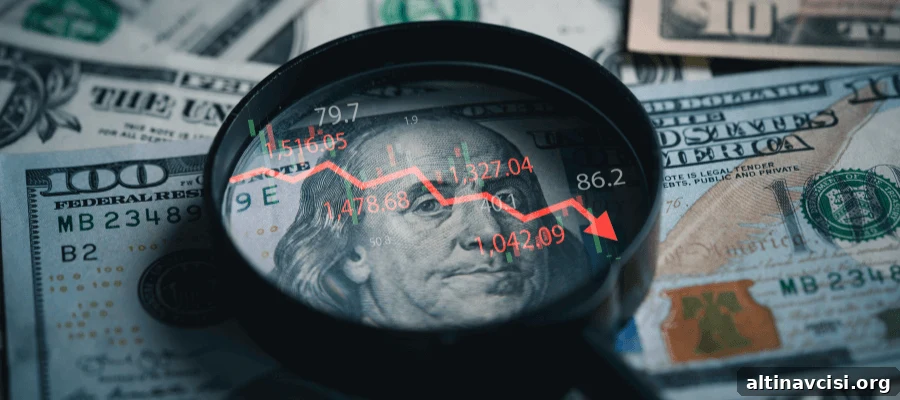
The US economy has swung from optimism to renewed recession concerns in a matter of weeks. Even after recent record highs in the stock market and steady GDP growth, volatility has surged following President Trump’s announcement of new tariffs, including a proposed 50% levy on steel and aluminum imports from Canada.
Most economists still assess the near-term probability of a recession as low, but policy uncertainty is rising. Analysts point out that unpredictable trade measures and other changes to economic policy are imposing what JPMorgan strategist David Kelly describes as an “uncertainty tax.” That tax is not literal but reflects higher costs and risks that make companies reluctant to expand or invest and lead consumers to delay big purchases.
Businesses facing unclear trade rules and the prospect of higher input costs are more likely to postpone hiring, capital expenditures, and long-term planning. For manufacturers that rely on cross-border supply chains or imported raw materials, sudden tariff announcements can cut into margins and force operational adjustments. Service-sector firms, while less directly exposed to import tariffs, also feel the ripple effects through reduced demand from affected industries.
Consumers respond to heightened uncertainty by tightening their budgets. When households worry about future job stability, price increases, or the direction of the broader economy, they often scale back discretionary spending on items such as cars, vacations, and home improvements. Because consumer spending accounts for the majority of US economic activity, even modest pullbacks can slow growth appreciably.
Financial markets typically react quickly to shifts in expectations. Equity prices adjust as investors reassess corporate earnings prospects and the potential macroeconomic impact of policy changes. Bond yields and credit spreads can move as market participants reprice risk and update forecasts for inflation and interest rates. The recent spike in volatility indicates that investors are uncertain about how persistent and damaging these policy moves might be.
That uncertainty does not guarantee a recession, but it raises the odds that economic momentum could weaken. Policymakers and business leaders monitor several indicators for signs of stress: hiring trends, consumer confidence, manufacturing output, and credit conditions. If the uncertainty persists or escalates into broader trade conflicts, those indicators could deteriorate more sharply.
Many forecasters emphasize that fundamentals—such as strong employment and healthy corporate balance sheets—remain supportive of continued growth. Still, the combination of policy unpredictability and potential disruption to trade ties increases downside risk. For now, businesses and consumers are weighing the trade-offs between acting on current opportunities and waiting for clearer signals on future policy.
In sum, while an immediate recession is not the consensus view among economists, rising policy uncertainty driven by tariff announcements is having a tangible effect on economic behavior. That effect—what some describe as an uncertainty tax—can slow investment and spending, making the path ahead for growth more fragile than recent headlines of market gains might suggest.