Silver Price Tops $50 for First Time Since 1980
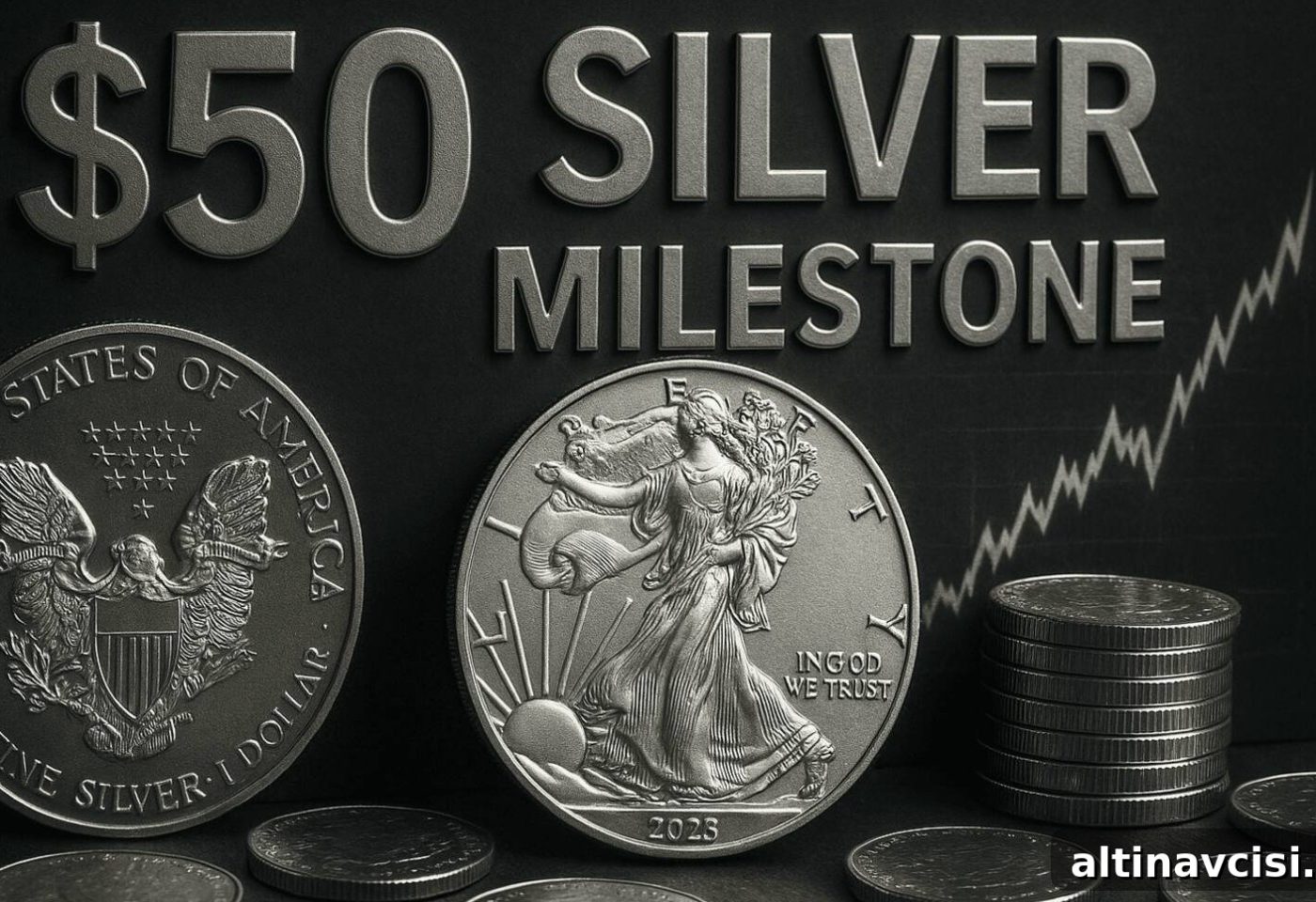
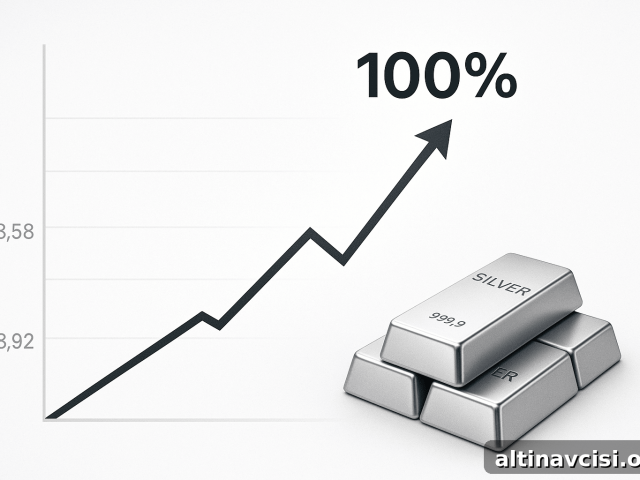
When silver breaks $50, it marks a decisive turning point for precious metals markets. The last time silver traded above that level was 1980, amid the Hunt Brothers’ market squeeze, double-digit inflation, and intense geopolitical and monetary instability.
Fast forward to today: inflation may be cooling, but purchasing power continues to erode; governments are running large deficits; and confidence in central banks is under strain. Recent political interference with the Federal Reserve pushed safe-haven demand higher, sending gold to record highs and silver to levels not seen in decades.
This time, however, the underlying fundamentals are notably stronger than they were in 1980. Silver’s industrial role—especially in solar panels, AI hardware, and modern energy systems—is expanding rapidly. At the same time, new supply has struggled to keep pace: global mining output has been relatively flat despite higher prices.
The Silver Surge: What’s Driving It Now
The recent silver breakout is not merely a speculative echo of gold’s rise. It reflects several converging silver price drivers spanning monetary policy, industrial demand, and geopolitical realignment. Each force alone could lift silver; together they reshape the investment case for the metal through 2025 and beyond.
Falling Real Rates and Rising Uncertainty
A central driver is real interest rates. As central banks confront slowing growth and persistent inflation, nominal rates are falling faster than inflation expectations. That pushes real yields—the inflation-adjusted return on bonds—into negative territory.
Negative real rates are powerful for precious metals. When cash loses purchasing power, investors seek assets that cannot be debased or defaulted on. Gold has traditionally led this trend; silver, with greater volatility and a smaller market, tends to amplify those gains and attract retail and industrial buyers alike.
The last sustained period of similarly low real yields occurred in the 1970s, when both metals reached record prices. Rising institutional demand for bullion—now a global phenomenon—has broadened the foundation that historically supported gold, and silver is following as the retail and industrial complement.
Industrial Demand: Solar, AI, and Electrification
Silver’s 2025 story is increasingly technological. Solar installations require large amounts of silver per megawatt, and global solar capacity continues to expand. Meanwhile, AI-driven data centers, electric vehicles, and 5G infrastructure rely on silver for its superior electrical conductivity.
Although recycling technologies are improving—some processes now recover a high percentage of silver from retired solar modules—recycling has not yet offset growing industrial consumption. For now, total demand outpaces new mine supply, contributing to a tightening physical market.
Geopolitical Realignment and De-dollarization
Geopolitics also matters. The widening East-West financial divide—driven by trade disputes, sanctions, and central-bank reserve shifts—is altering how wealth is stored. Emerging economies are diversifying away from the U.S. dollar and increasing their bullion holdings. Major consumers of silver in Asia are expanding private market access, encouraging household and investor demand.
As sovereigns accumulate gold reserves, private investors and households often turn to silver as a more accessible store of value, reinforcing demand across multiple channels.
Monetary Turbulence and Confidence in Central Banks
Confidence, or its absence, is a fourth driver. Episodes that undermine central-bank independence can revive memories of past eras of policy credibility breakdown and rising inflation expectations. When investors question the reliability of fiat money, they often move into tangible assets—supporting both gold and silver price appreciation.
A Tight Physical Market
Physical silver inventories remain tight by historical standards. Coin and bar premiums have widened as retail demand rises, and miners face persistent cost pressures and declining ore grades that limit production growth. The result: demand is growing faster than supply can respond, a classic setup for a sustained bull cycle.
When Silver Breaks $50, It’s More Than a Chart Event
What links these silver price drivers is that they are structural rather than purely cyclical. This rally appears to be a repricing of scarcity, trust, and value in an era of financial distortion—not a short-lived speculative bubble.
When silver breaks $50, it signals a broader market revaluation driven by falling real yields, accelerating industrial demand, geopolitical fragmentation, and fading confidence in paper promises. Silver’s inherent volatility means prices will not rise in a straight line, but dips increasingly present long-term buying opportunities for investors who understand the fundamentals.
As gold climbs to new highs and silver moves through key thresholds, this environment reflects lasting structural shifts rather than nostalgia for 1980.
GoldSilver: Investing in Physical Metals Made Easy
Buy, sell, store, or take delivery of physical precious metals with flexible options designed to keep you in control.
Open an Account
People Also Ask
Why did silver break $50 for the first time since 1980?
Silver reached $50 amid a mix of falling real interest rates, record industrial demand from solar and AI applications, and growing investor distrust in central banks. These structural trends combined to produce unusually robust fundamentals.
What are the main silver price drivers in 2025?
Key drivers include negative real rates, geopolitical tensions and de-dollarization, and rapidly growing industrial use in technology and energy sectors. Together, these factors are strengthening silver’s role as both a monetary and industrial metal.
How does silver compare to gold as an investment?
Gold remains the traditional safe-haven asset, while silver tends to be more volatile and can deliver larger percentage gains during bull markets. When gold rises, silver often follows with amplified momentum, making it a leveraged complement to gold.
Is silver’s rally sustainable, or is this another bubble?
Unlike the 1980 spike, today’s rally is supported by tangible fundamentals: structural fiscal deficits, expanding industrial demand, and shifts in global monetary behavior. Many analysts view the move as a lasting repricing rather than a short-term blow-off top.
How do rising industrial uses like solar and AI affect silver prices?
Industrial demand now consumes a significant share of annual silver supply. Growth from solar, electric vehicles, and data centers is outpacing mining output, creating a supply-demand imbalance that supports higher prices.
Get Gold & Silver Insights Direct to Your Inbox
Join thousands of investors who receive expert analysis, market updates, and exclusive offers every week.
Popular Topics
Picked from the archive
-
01
 Topics
Silver Could Double in 2025 as Dollar Dominance Fades
-
02
Topics
Gold, Silver Gain in Trump-Fed Standoff Over Governor Dismissal
-
03
Topics
Investors Flock to China Gold ETFs as Inflows Hit Record
-
04
Topics
Trump Imposes 25% Tariff on India’s Oil Imports From Russia
-
05
Topics
Record Gold Floods Shanghai as Traders Exploit Futures Arbitrage
-
06
Topics
Gold Prices Hold as Fed Faces Tough Interest Rate Decision
-
07
Topics
Geopolitics, Copper Tariffs and OPEC Plus Drive Oil Prices
-
08
Topics
RBA Warns Inflation Risks Remain Despite Current Calm