Silver Price Soars 120% to Record High in 2025

Daily News Nuggets | Today’s top stories for gold and silver investors
December 17th, 2025
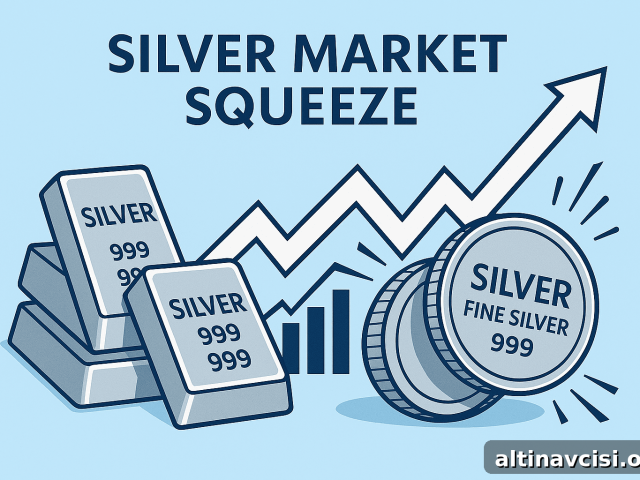
Silver Hits Historic $65 — Up 120% This Year
Silver climbed above $65 per ounce on Wednesday for the first time ever, capping a remarkable 120% gain in 2025. This dramatic move marks the white metal’s strongest performance in decades and has captured the attention of both industrial users and precious-metals investors.
The rally is being driven by a convergence of structural demand and persistent supply constraints. Industrial demand is surging as solar photovoltaic production, electric vehicle manufacturing, and data centers supporting artificial intelligence all require significant silver inputs. At the same time, the market is experiencing its fifth consecutive year of supply deficits, with global mine production failing to keep pace with rising consumption.
Major banks have revised their forecasts to reflect the new dynamics: Bank of America set a 12‑month target at $65, while other institutions, including BNP Paribas, see upside potential toward $100 by late 2026. Weaker U.S. jobs data has reinforced expectations for rate cuts, softening the dollar and boosting precious metals. Although some analysts caution that positioning is stretched and a short-term pullback is possible, many expect any correction to be limited given the underlying demand drivers and physical shortages noted in London bullion markets.

Gold on Track for Best Year Since 1979 — $5,000 in Sight
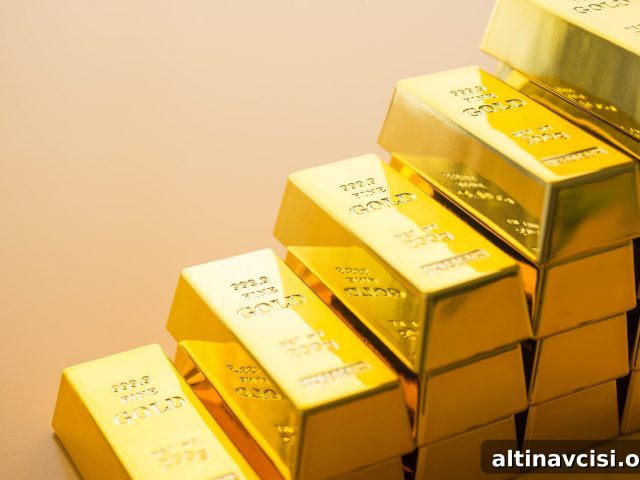
Gold has recorded its biggest annual gain since the 1979 oil crisis, doubling in value over the past two years. Spot gold reached a record $4,381 in October, and several prominent forecasters—including teams at JP Morgan, Bank of America, and Metals Focus—are now modeling scenarios where bullion reaches $5,000 per ounce in 2026.
The drivers behind gold’s rise extend beyond expectations for monetary easing. Expanding U.S. fiscal deficits, escalating geopolitical tensions from conflicts and trade disputes, and a broader investor base are all supporting higher prices. New buyers have emerged: stablecoin issuers and large institutional pools such as some Asian pension funds have begun adding to gold allocations, while central banks worldwide continue to diversify reserves away from dollar-denominated assets. These flows create a stronger price floor, even when investor positioning becomes crowded.
Analysts note that while the rally could lose momentum at some point, the fundamental backdrop remains favorable: limited mine supply, steady central bank purchases, and persistent macro risks that make gold an attractive hedge. For investors, the outlook suggests that gold may remain a core portfolio diversifier through periods of policy transition and market stress.
Trump Orders “Complete Blockade” of Venezuelan Oil Tankers
President Trump escalated pressure on Venezuela by ordering a total blockade of sanctioned oil tankers entering or leaving the country and designating the Maduro regime as a foreign terrorist organization. Venezuela called the move “irrational” and a violation of international law and said it would raise the issue at the United Nations.
Market reaction was cautious. Analysts estimate the blockade could disrupt a wide range—roughly 300,000 to 900,000 barrels per day—reflecting uncertainty about enforcement and buyers’ responses. The immediate price impact could be modest, potentially raising crude by a few dollars per barrel, but ongoing purchases by major buyers such as China could blunt the effect. The move follows the recent seizure of the tanker Skipper and comes as the U.S. has deployed a significant naval presence in South American waters. The administration framed the campaign as reclaiming assets and resources it alleges were stolen, though those claims remain contested.
UK Inflation Drops to 3.2% — But Still Well Above Target
UK inflation eased to 3.2% in November, down from 3.6% in October and slightly below forecasts. The decline was largely driven by lower food prices—especially in categories such as cakes, biscuits, and breakfast cereals—along with reduced tobacco costs and deep seasonal discounts on clothing ahead of Black Friday.
While the drop provides relief for households, inflation remains materially above the Bank of England’s 2% target. Services inflation, a key focus for policymakers, slipped to 4.4% from 4.5%. Economists also warned that food inflation may rebound in December, meaning the BoE will likely adopt a cautious tone even as it considers easing policy.
Bank of England Set to Cut Rates as Inflation Cools
Given the softer inflation backdrop and signs of a weakening labor market, the Bank of England is widely expected to cut interest rates, lowering the benchmark from 4% to 3.75% in its upcoming decision. Markets are pricing a high probability of this move. Policymakers face a delicate balance: cuts would ease pressure on mortgage holders and support the broader economy, but officials are likely to emphasize caution because inflation remains above target and may pick up again.
A narrow vote is anticipated, reflecting differing views within the committee on how quickly to remove accommodation. Some analysts caution that the BoE’s easing cycle may be nearly complete, with only a few cuts remaining before rates approach a neutral level.

The Financial System Isn’t Safer — And You Know It
As systemic risks mount, precious metals remain a prominent hedge. Learn why gold and silver may continue to outperform through 2026 and beyond.
What this means for investors: precious metals are responding to a mix of industrial demand, reserve diversification, and macroeconomic uncertainty. Silver’s unusual industrial exposure gives it potential upside tied to clean-energy and tech supply chains, while gold’s role as a safe haven and reserve asset supports longer-term accumulation. Both markets are subject to volatility—driven by rate expectations, dollar strength, and shifts in physical availability—so investors should weigh allocation size, timing, and storage or custody options carefully. Diversified strategies, including a mix of physical bullion and reputable ETFs, can help manage liquidity and security considerations. As always, match any adjustments to your risk profile and investment horizon.
Popular Topics
Picked from the archive
-
01
 Topics
Gold Price Could Reach USD 5,000 by 2026: Institutional Forecast
-
02
Topics
Silver Squeeze Pushes Silver Prices Above $51
-
03
Topics
Gold Rises as Bitcoin Slips and Bubble Fears Grow
-
04
Topics
Bessent Urges 1.5% Rate Cut, Boosting Gold Prices
-
05
Topics
Tariff Deadline Fears Push Gold Prices Up as Other Metals Slide
-
06
Topics
Gold Fields Urges Major Miners to Boost Gold Exploration
-
07
Topics
Tech Giants Drive 90% of Earnings Growth Despite Trade War Fears
-
08
Topics
Brazil Threatens Retaliation After Trump Imposes 50% Tariff