Lutnick Predicts 90-Day Extension to U.S.-China Trade Truce
U.S.-China Trade Truce Likely to Be Extended as Stockholm Talks Continue
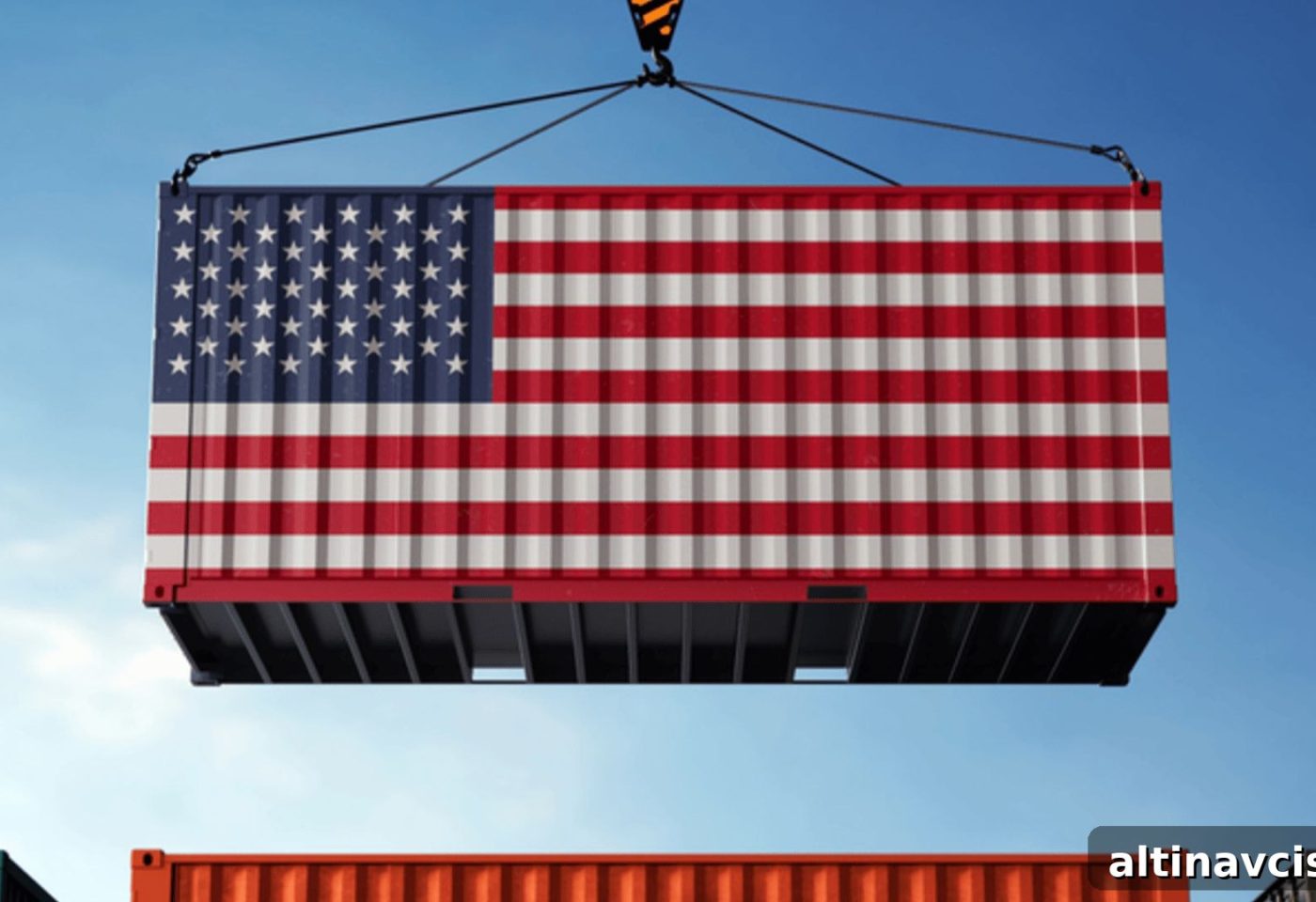
Commerce Secretary Howard Lutnick has indicated that a 90-day extension of the current U.S.-China trade truce is likely while diplomats and trade officials continue negotiations in Stockholm. The temporary agreement — which relaxes certain tariffs and eases specific export controls between the two countries — is set to expire on August 12, and an extension would maintain those provisional terms while negotiators attempt to reach a longer-term settlement.
What the Truce Covers and Why an Extension Matters
The trade truce currently in place reduces immediate trade frictions by holding in place lower tariff levels and limiting the application of additional export controls for the duration of the agreement. An extension of 90 days would preserve those benefits for businesses and supply chains that have adapted to the temporary rules. For importers, exporters, manufacturers and investors, the continuity provided by an extension can reduce short-term uncertainty and allow companies more time to adjust contracts, sourcing strategies, and compliance procedures.
Keeping export controls and tariffs unchanged for an extended period does not resolve underlying disputes, but it creates a breathing space in which negotiators can address complex regulatory and economic issues without imposing abrupt cost increases on trade flows. The Stockholm talks provide a forum for technical discussions, compromise language and legal mechanisms that could form part of any longer-term agreement.
Negotiations in Stockholm
Delegations meeting in Stockholm are reportedly focused on ironing out specific trade and regulatory differences that prompted the initial imposition of higher tariffs and stricter export controls. Those discussions typically involve technical experts as well as negotiators who coordinate on sensitive matters such as market access, intellectual property protections, and national security considerations tied to high-tech exports.
The pace and complexity of such talks often make incremental extensions useful: they give negotiators time to test draft provisions, seek domestic buy-in, and consult with affected industries. A 90-day extension is a common diplomatic tool in trade diplomacy, used to prevent abrupt re-escalation while preserving leverage for both sides.
Other Tariff Decisions and Ongoing Diplomatic Efforts
Separately, the article notes that President Trump is expected to make a decision soon regarding new tariffs targeted at other countries that missed a previous negotiation deadline. That decision could affect trading partners beyond the U.S. and China and suggests that the administration remains prepared to use tariff policy as a negotiating instrument in wider trade discussions.
At the same time, several nations — including Japan and South Korea — are reported to be negotiating their own arrangements to reduce tariffs. In some cases, those countries are offering investment funds or other financial commitments in the United States as part of negotiation packages designed to secure tariff relief. Such reciprocal proposals aim to address concerns on both sides: trading partners seek tariff adjustments while the U.S. looks for tangible economic benefits or capital flows that support domestic priorities.
Implications for Businesses and Markets
An extension of the U.S.-China truce would likely be welcomed by companies whose global supply chains span the two countries, as it would avoid immediate tariff spikes and the need for sudden operational changes. For firms contemplating new investments or sourcing arrangements, the extension could reduce the urgency to restructure operations, though many will continue scenario planning to prepare for the possibility that tariff relief might not become permanent.
For policymakers and investors, the Stockholm negotiations and related diplomatic activity elsewhere underscore how trade policy remains a dynamic tool of international relations. Extensions buy time but do not guarantee final outcomes; businesses and governments alike will be watching subsequent announcements closely to assess the prospects for a more durable resolution.
Next Steps
With the current agreement set to expire on August 12, observers will be paying attention to any formal announcement of a 90-day extension and to the substance of negotiations in Stockholm. At the same time, decisions about tariffs on other trading partners and ongoing bilateral talks with countries like Japan and South Korea will shape the broader trade landscape in the weeks and months ahead.
Popular Topics
Picked from the archive
-
01
 Topics
Could Trump’s Trade Wars End a Century of US Dollar Dominance?
-
02
Topics
UBS: Why Investors Should Look Past Gold’s Dip from Record Highs
-
03
Topics
Jobless Claims Drop, 4-Year High Raises Job Market Concern
-
04
Topics
Buying Local: How Nations Build Foreign Reserves Without Dollars
-
05
Topics
Goldman Sachs Predicts Gold to Hit USD 3,700 by End of 2025
-
06
Topics
Markets Doubt Trump’s Ability to Balance Tax Cuts and Spending
-
07
Topics
Tariff Uncertainty and Fed Outlook Keep Gold Prices Volatile
-
08
Topics
Report: Republican Tax Bill Masks Over 1 Trillion in Future Debt