Gold Prices Rebound as Trade Optimism Fades Before Fed Meeting
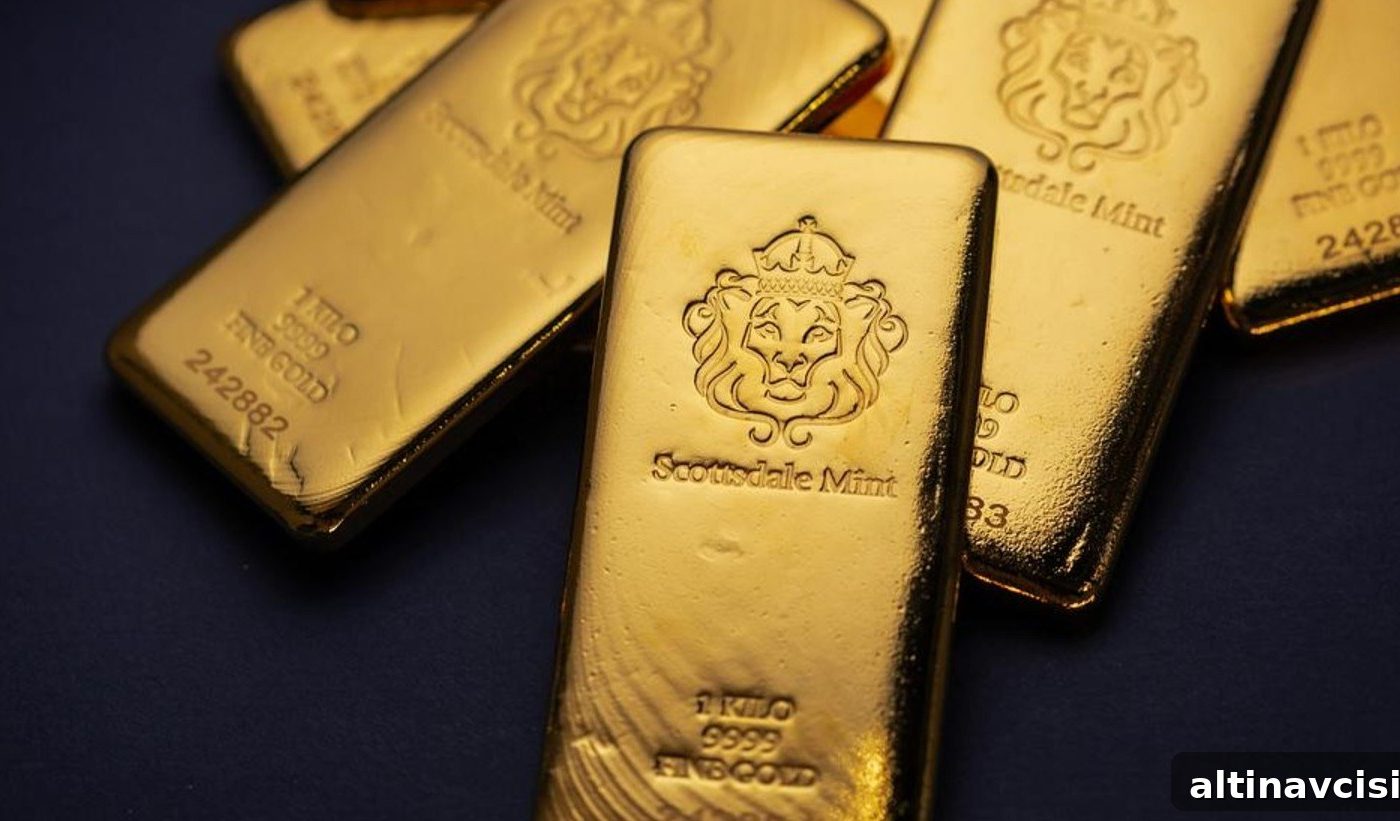
Gold Prices Edge Higher as Investors Eye Fed Meeting and Lingering Trade Tensions
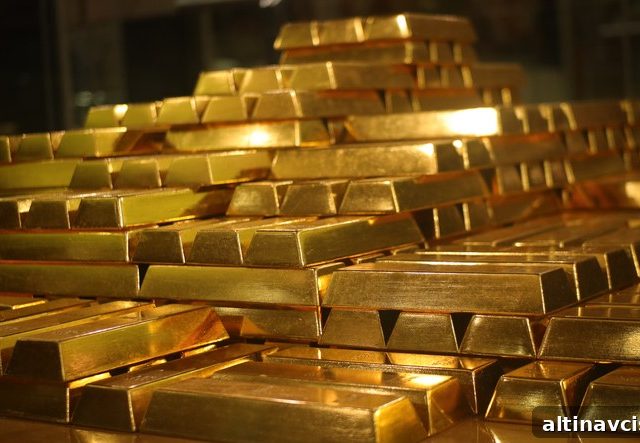
Gold prices recovered modestly after an early rally tied to news of a U.S.-EU trade truce cooled. The initial boost to bullion was limited because tariffs remain in place and broader concerns about economic growth and inflation persist. With a key Federal Reserve policy meeting approaching, market attention has shifted to signals from central bankers about the future path of interest rates.
What Drove the Early Move—and Why It Stalled
The announcement of a temporary trade understanding between the United States and the European Union briefly supported risk sentiment, which can influence safe-haven assets such as gold. However, the underlying policy status—existing tariffs and unresolved trade frictions—meant investors treated the news as only a partial improvement for global trade prospects. As a result, gold’s initial reaction gave way to consolidation as traders awaited clearer direction from upcoming economic and policy data.
Federal Reserve Focus: Interest Rates and Market Expectations
The approaching Federal Reserve meeting is now the dominant near-term driver for gold. Interest rates, real yields, and expectations about future monetary policy have a direct influence on bullion. When central-bank rhetoric points to higher interest rates or a prolonged period of tighter policy, that tends to strengthen the U.S. dollar and raises the opportunity cost of holding non-yielding assets like gold. Conversely, any signs that the Fed may pause or reverse tightening can reduce real yields and often benefit gold prices.
Investors will be watching Fed statements, the central bank’s economic projections, and comments on inflation and employment. Those signals will help determine whether expectations for rate cuts or hikes shift and how capital markets will re-price risk and fixed-income returns.
Tariffs, Trade Negotiations and Economic Growth Concerns
Although the U.S.-EU trade truce introduced a measure of optimism, the continued presence of tariffs means trade-related uncertainty remains elevated. Tariffs can weigh on global growth by raising costs for consumers and businesses, potentially slowing manufacturing and trade flows. Slower growth expectations can increase demand for safe-haven assets such as gold, particularly if inflation remains unpredictable.
Ongoing U.S.-China negotiations add another layer of complexity. Any renewed escalation or breakdown in talks could trigger risk-off flows into gold, while meaningful progress could ease some safe-haven demand. Given the fluid nature of these discussions, investors are likely to continue monitoring headlines closely and may adjust positions rapidly in response to new developments.
Gold’s Role as a Safe Haven and Portfolio Hedge
Gold continues to play a central role as a risk-management tool in diversified portfolios. Its appeal rests on several factors: perceived store-of-value characteristics, low correlation with certain financial assets in times of stress, and historical use as an inflation hedge. During periods of heightened geopolitical or economic uncertainty, gold often attracts flows from investors seeking protection against volatility, currency weakness, or real-yield shocks.
That said, gold’s short-term price movements reflect a mix of macroeconomic data, central-bank policy, currency swings, and investor positioning. Market participants typically balance these influences by considering both tactical trades and longer-term allocations, depending on their risk tolerance and investment horizon.
Key Variables for Traders and Long-Term Investors
- Federal Reserve guidance on interest rates and inflation expectations
- Real yields and the strength of the U.S. dollar
- Progress and setbacks in global trade negotiations, including U.S.-EU and U.S.-China talks
- Economic data such as employment, manufacturing activity, and inflation reports
- Geopolitical developments and shifts in risk sentiment
Outlook and Considerations
Near-term gold price action will likely hinge on the Fed meeting and how markets interpret central-bank language about rate paths and inflation. Meanwhile, persistent tariff regimes and ongoing trade discussions keep a floor of uncertainty under safe-haven demand. For investors, maintaining clarity about objectives—whether short-term trading around data and policy events or longer-term hedging against risk and inflation—remains essential.
In a market where headlines can move sentiment quickly, gold’s function as a diversifier and a hedge continues to be relevant. Market participants should monitor policy signals, economic releases, and trade developments closely, while considering how these factors interact to influence real yields and currency dynamics that ultimately shape gold’s price trajectory.
Popular Topics
Picked from the archive
-
01
 Topics
Copper Prices Plunge After U.S. Imposes 50% Import Tariff
-
02
Topics
Bank of America Predicts No Fed Rate Cuts Until 2026
-
03
Topics
Global Central Banks Slow Gold Buying as Prices Reach Record Highs
-
04
Topics
Egg Prices Plunge: April’s Biggest Monthly Drop Since 1984
-
05
Topics
Gold Rises Amid Fed Uncertainty; Palladium and Platinum Surge
-
06
Topics
CBO Warns Congress Faces Mid-August Debt Ceiling Deadline
-
07
Topics
Trump Confirms July 9 Tariff Deadline Will Stand; No Extension
-
08
Topics
Brazil Inflation Off Target for Sixth Straight Month