Iran Rejects Talks as Gold and Silver Prices Slide
🌆 Evening News Nuggets | Today’s top stories for gold and silver investors
March 26th, 2026 | Brandon Sauerwein, Editor
The standoff around Iran and the Strait of Hormuz has become one of the clearest drivers of gold and silver price moves in years — and the situation took another twist today.
📊 Market Snapshot
- Gold fell as much as 3% intraday to trade near $4,445/oz, extending a roughly 16% decline over the last month.
- Silver dropped more sharply — down about 6% on the session and roughly 25–28% over 30 days — now trading in the $67–$70/oz range.
Gold
+48.1%
Silver
+128.3%
Data as of Mar 26, 2026
How Long Could the Selloff in Gold and Silver Last?
Rising tensions in the Iran–Strait of Hormuz corridor pushed gold and silver lower again on Thursday as hopes for a quick diplomatic solution faded. In the most recent session, gold futures traded near $4,400 while silver fell sharply; both metals are now well off the highs they reached earlier in the year.
Since fighting began on Feb. 28, gold has declined roughly 17% and silver has lost about 28%. Analysts point to a combination of factors behind the moves. While conflict often boosts safe-haven demand for precious metals, the current episode has coincided with higher energy prices and renewed pressure on inflation expectations. That mix has altered expectations for U.S. interest rates, reducing the likelihood of near-term rate cuts and, in some scenarios, increasing the chance of further tightening.
Market pricing now reflects a much higher probability that the Federal Reserve will hold rates through at least October, a shift that has material implications for gold and silver. Until oil shipments normalize and rate expectations ease, the downward pressure on metals may persist, even if diplomatic channels remain active behind the scenes.

What Happened in 1971?
The guide that explains the moment our financial system changed.
This concise guide walks through the key decisions in 1971 that reshaped global finance and explains their long-term implications for inflation, currency policy, and asset allocation.
Iran Rejects Ceasefire Talks — and Is Now Charging Yuan Tolls on the World’s Oil Route
Diplomatic progress that markets had hoped would ease the crisis has not materialized. Iranian officials stated they do not intend to enter ceasefire negotiations at this time, contradicting earlier claims that a multi-point proposal had been passed through intermediaries. The immediate market response was negative, as traders reassessed the odds of a quick resolution.
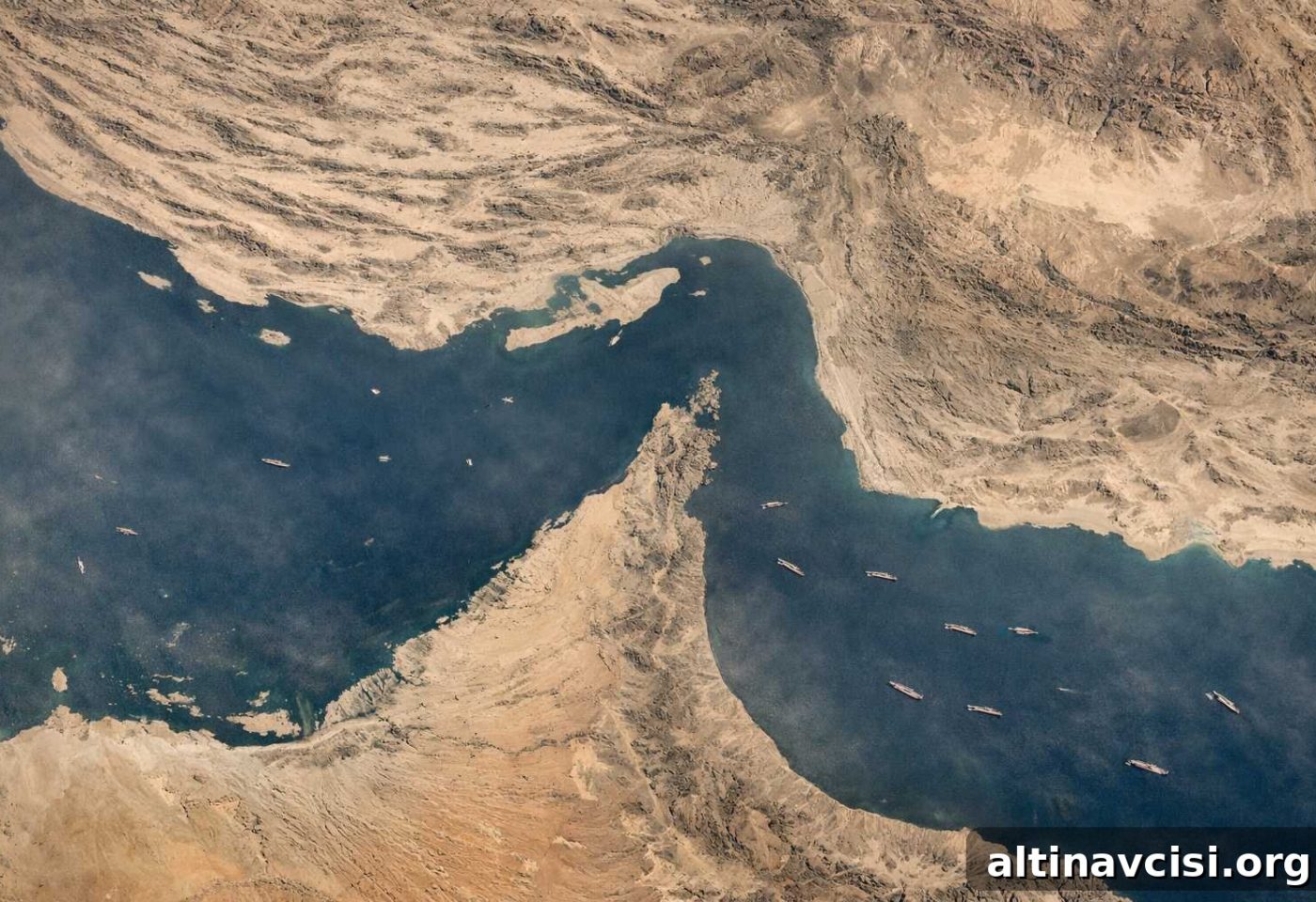
More consequential for the global financial system is Tehran’s move to impose transit fees for ships transiting the Strait of Hormuz — fees reportedly to be denominated in Chinese yuan rather than U.S. dollars. If sustained, that shift represents a practical step toward de-dollarization in a key maritime chokepoint. For investors, the change is notable not only as a wartime economic measure but also as an indicator of longer-term geopolitical realignment that could influence commodity pricing and currency dynamics.
Even if a ceasefire eventually occurs, the decision to price transit in yuan signals a strategic direction that could affect trade invoicing, shipping costs, and the broader role of the dollar in energy markets.
OECD Says US Inflation Will Surge to 4.2%
The OECD warns that U.S. inflation could rise to about 4.2% this year, higher than other G7 economies, driven largely by energy price shocks related to the regional conflict. The organization has reduced its global growth forecast, noting that earlier momentum in 2026 has weakened amid supply disruptions and higher commodity costs.
Disruption in the Strait of Hormuz affects roughly a quarter of seaborne oil trade, and the knock-on effects extend beyond energy: metals, fertilizer inputs, and certain technology supply chains may feel pressure if disruptions persist. Collectively, these developments feed back into inflation expectations and the outlook for monetary policy, which in turn influence precious metals markets.
Stay On Top of Gold & Silver Prices
Get important market alerts and regular updates delivered to your inbox.
Subscribe for concise market notes and price alerts focused on precious metals and energy-driven market risks.
You May Also Like
- Is Gold Still a Safe Haven During War?
- Gold Safe Haven Bid Returns After Nine-Day Selloff
- Gold Price Correction Settles as Saudi Arabia Eyes Iran War
- What’s Driving Gold’s Sharpest Pullback of the Year
- Gold Price Drop Today — War Rages as the Debt Hits $39 Trillion
- Gold Price Outlook: Fed Holds, PPI Climbs
- Gold Price Today Holds at $5,000 — What’s Driving It
Popular Topics
Picked from the archive
-
01
 Topics
Gold Price Rebounds Amid Iran Tensions, Fed Moves, Dollar Surge
-
02
Topics
4 Trillion AI Milestone Sparks Valuation Concerns
-
03
Topics
Dollar Surges as Trump Threatens Tariffs on Copper and Chips
-
04
Topics
Gold Prices 2025: How Economic Shifts Could Drive the Rally
-
05
Topics
Trump Push for 1% Fed Rate Fuels Inflation, Credibility Concerns
-
06
Topics
Dollar Drops as Markets Price In Fed Cuts; Tariff Fears Rise
-
07
Topics
Why CME Margin Hikes Sparked the Silver Crash
-
08
Topics
Gold Climbs as Mild Inflation Boosts September Rate Cut Odds