Why CME Margin Hikes Sparked the Silver Crash
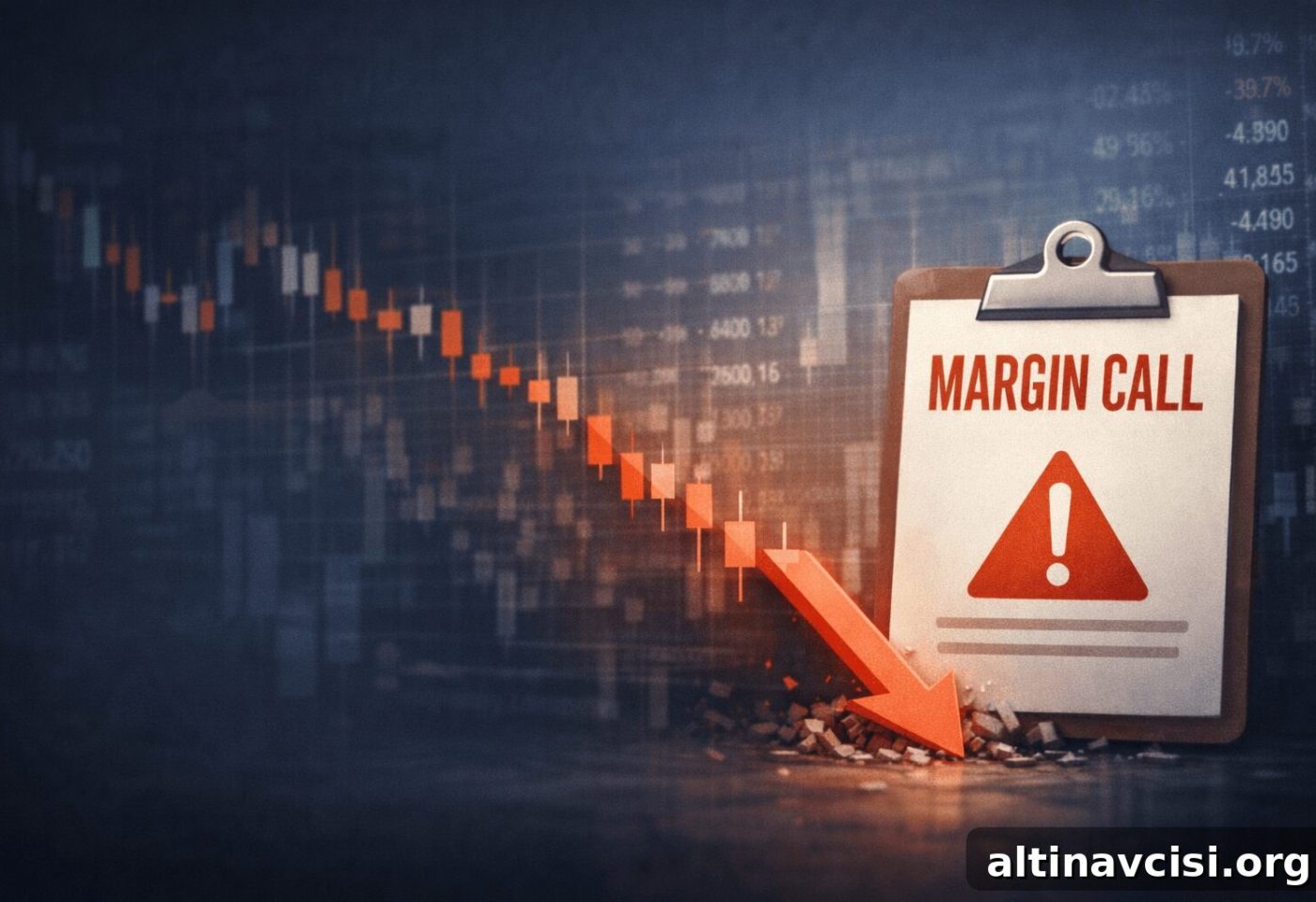
When margin requirements change suddenly, markets do more than adjust — they react immediately and often violently.
That was the case after CME Group announced on February 6, 2026, that it was increasing margin requirements for COMEX 5,000-ounce silver futures from 15% to 18%, while also raising margins on certain gold contracts. The decision followed an extraordinary rally that sent silver briefly above $120 per ounce before a swift reversal slammed prices back toward the $70 range.
If you’ve wondered why precious metals can surge and then crash in a matter of days, margin requirements are a key part of the explanation.
What Are Margin Requirements?
In futures markets, traders do not pay the full contract value up front. Instead, they post collateral equal to a percentage of the contract’s notional value — the margin requirement. That percentage determines how much capital a trader must have on deposit to open and maintain a position.
For example:
- If silver trades at $100 per ounce, a 5,000-ounce futures contract is worth $500,000.
- At a 15% margin, a trader must post $75,000 to control that contract.
Margin creates leverage: it magnifies returns on both gains and losses. When markets become more volatile, exchanges often raise margins to limit systemic risk and protect clearinghouses.

The Financial System Isn’t Safer — And You Know It
As risks rise, understand why gold and silver are expected to remain important in 2026 and beyond.
Why CME Raised Margin Requirements on Silver and Gold
The recent silver run was historic. After starting 2025 around $30 per ounce, silver climbed dramatically and reached levels above $120 in late January 2026. As prices rose day after day, speculative momentum built rapidly: retail traders rushed in, leverage increased, and macro concerns like inflation and geopolitical risk intensified demand for hard assets.
With the market becoming heavily leveraged, CME increased margin requirements to reduce the chance of a market disruption. By moving from a 15% to an 18% margin for COMEX 5,000-ounce silver contracts, the exchange required traders to post more capital to keep their positions open.
Exchanges raise margins to protect the clearing system. High leverage means that a string of losses can force many traders to meet margin calls at once, triggering a wave of forced liquidations. Those forced sales can overwhelm liquidity and cause rapid price declines — the very outcome higher margins aim to prevent.
In early 2026 the impact of these increases was heightened by a procedural change: CME began setting certain margins as a percentage of contract value rather than a fixed dollar amount. In a fast-rising market, percentage-based margins automatically increase as prices rise, piling pressure onto leveraged traders and accelerating the effects of each successive hike.
How Margin Hikes Trigger Market Selloffs
The mechanics are straightforward:
- Silver rallies sharply.
- Traders use leverage to increase exposure.
- The exchange raises margin requirements.
- Traders must post additional collateral immediately.
- Those who cannot meet calls sell positions.
- Selling pressure accelerates and liquidity dries up.
- Prices fall sharply.
On January 29, 2026, after silver breached $120, a series of margin increases forced weaker accounts to liquidate. That cascade of selling pushed prices down into the $70s in a matter of days. The rapid decline reflected leverage being unwound more than an abrupt change in long-term fundamentals.
Silver’s Run to $120 and the Margin-Induced Reset
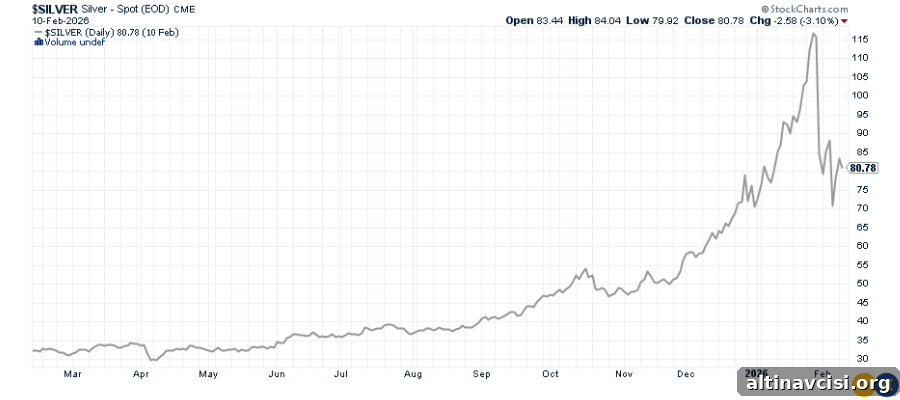
This episode was driven less by immediate supply-and-demand fundamentals and more by market structure: leverage, liquidity, and risk controls. When leverage accumulates to extreme levels, margin adjustments act like a pressure valve that can produce rapid corrections as positions are forced to close.
Why This Matters for Precious Metals Investors
If you own physical gold or silver for long-term protection, margin changes in futures markets do not directly affect your holdings. However, futures prices serve as global benchmarks. Large-scale forced selling in the paper market can create short-term price swings that influence retail and dealer pricing for physical metals.
Key takeaways:
- Futures markets set benchmark prices for precious metals.
- Leverage amplifies volatility in the short term.
- Margin hikes reduce leverage but can trigger forced selling and sharp corrections.
- Physical ownership behaves differently from paper speculation and can be a hedge against systemic risk.
The Real Lesson: Volatility Is a Feature, Not a Flaw
The $120-to-$70 swing in silver is a textbook example of how leverage distorts market moves. In uncertain times, capital often flows into hard assets, which attracts speculative, leveraged positions. When volatility expands, exchanges tighten margins to protect the system, and poorly capitalized traders are pushed out — resulting in a market reset.
These episodes tend to coincide with broader structural shifts — rising inflation expectations, monetary policy uncertainty, geopolitical stress, or waning confidence in fiat currencies. Over long cycles, gold and silver have repeatedly weathered periods of leverage expansion and contraction. Short-term price swings reflect positioning and liquidity; long-term value is tied to monetary conditions, real interest rates, and global confidence in fiat money.
Stay On Top of Gold & Silver Prices
Receive timely market alerts delivered to your inbox.
People Also Ask
What are margin requirements in futures trading?
Margin requirements are the minimum collateral a trader must post to open or maintain a futures position. They allow traders to control large contract values with a fraction of the capital, creating leverage that magnifies both gains and losses. Exchanges raise margins when volatility increases to protect the clearinghouse and reduce systemic risk.
Why did CME raise margin requirements on silver in 2026?
CME raised margins after silver’s rapid surge above $120 per ounce and a spike in volatility. Increasing the margin from 15% to 18% required traders to post more capital, aiming to lower the risk of widespread defaults and stabilize the market.
How do margin requirements cause silver prices to fall?
When margins rise, some traders cannot provide the additional collateral and must liquidate positions. Forced selling increases supply in the market, which can push prices down rapidly even if long-term fundamentals remain unchanged.
Do margin requirements affect physical gold and silver investors?
Margin rules directly impact futures traders, not owners of physical metal. However, futures markets influence benchmark prices, so margin-induced volatility in the paper market can lead to short-term price swings that affect the physical market indirectly.
What happened to silver prices after the January 2026 margin hike?
Following the margin increases, forced liquidations accelerated and selling pressure pushed silver from above $120 down into the $70s within days. The rapid decline was driven largely by leverage being unwound rather than an abrupt shift in foundational supply-demand dynamics.
You May Also Like
- Gold vs Silver: The Liquidity Difference That Matters
- Silver Price Components: Premium, Spot, and Dealer Markup Explained
- Silver Price Forecasts Revisited: Why Wall Street Got It Wrong
- Gold’s Purchasing Power: What One Ounce Buys Over Time
- Why Metals Dominated Every Asset Class in 2025 and What It Means for 2026
- Best Investment Of 2026: Silver’s Setup Is Hard To Ignore
Popular Topics
Picked from the archive
-
01
 Topics
Gold Price Could Reach USD 5,000 by 2026: Institutional Forecast
-
02
Topics
Silver Squeeze Pushes Silver Prices Above $51
-
03
Topics
Gold Rises as Bitcoin Slips and Bubble Fears Grow
-
04
Topics
Bessent Urges 1.5% Rate Cut, Boosting Gold Prices
-
05
Topics
Tariff Deadline Fears Push Gold Prices Up as Other Metals Slide
-
06
Topics
Gold Fields Urges Major Miners to Boost Gold Exploration
-
07
Topics
Tech Giants Drive 90% of Earnings Growth Despite Trade War Fears
-
08
Topics
Brazil Threatens Retaliation After Trump Imposes 50% Tariff