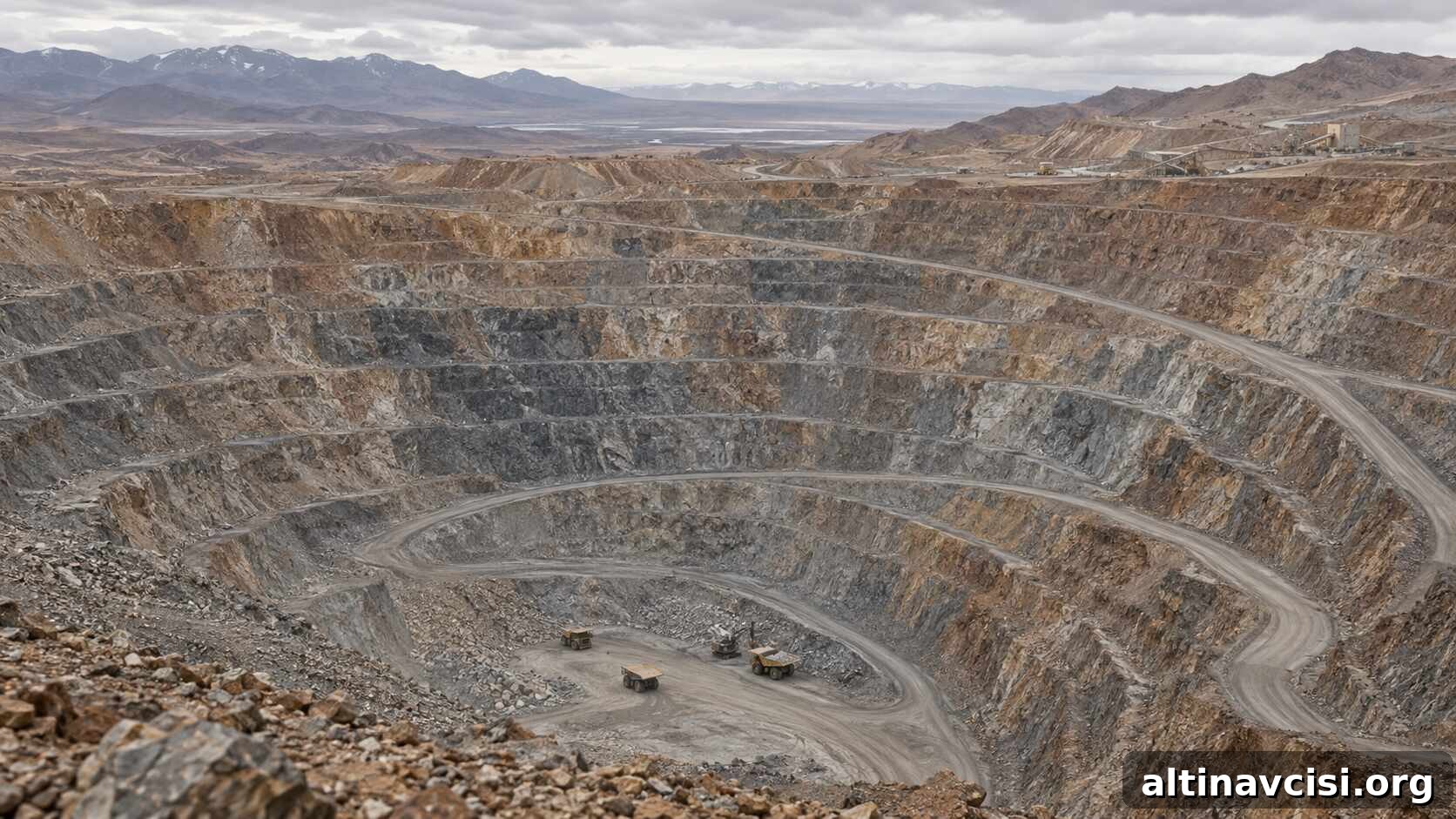
Byproduct silver mining refers to silver produced incidentally during extraction of other metals such as copper, lead, and zinc. These operations are not established to mine silver on its own. Because of that, an estimated 70–80% of global silver supply cannot be quickly increased in response to a rising silver price. A dedicated primary silver mine could expand output when prices rise; a byproduct operation generally cannot, since its production decisions are driven by the economics of the primary metal.
Three disruptions in August 2026—severe weather in Chile, a temporarily resolved community blockade in Mexico, and a decline in Peruvian production—combined to remove roughly 1.1 million ounces of silver from the market. That reduction is equal to about 2.4% of the Silver Institute’s projected 46.3 million ounce 2026 deficit. Crucially, none of these supply losses were driven by silver’s price. Instead, they illustrate how fragile silver supply can be when most production is a secondary output of other metal operations.
When silver supply depends primarily on decisions tied to other metals, the silver market has limited tools to increase output quickly. Whether or not each specific disruption remains active, the structural constraint in the supply chain persists. Crux Investor published a consolidated report on these three events on September 4, 2026.
Key Takeaways:
- Three unrelated August 2026 events—a weather-driven guidance cut in Chile, a community blockade (since cleared) in Mexico, and a June production decline in Peru—combined to remove an estimated 1.1 million ounces of silver from supply, roughly 2.4% of the Silver Institute’s projected 2026 deficit.
- Endeavour Silver’s Terronera mine in Jalisco resumed full operations on August 24, 2026, after a community blockade that began on August 12 was lifted.
- Approximately 70–80% of global silver mine supply is produced as a byproduct of copper, lead, and zinc mining, so higher silver prices do not reliably produce more silver.
- 2025 was the Silver Institute’s fifth consecutive confirmed deficit year. 2026 is forecast to be the sixth, but this will remain a projection until final data are published after year-end.
- The structural reality—that most supply cannot respond quickly to price—strengthens the argument for physical, allocated ownership of silver rather than exposure via paper claims.
What Happened in August, and Is It Still Happening?
Here’s the mechanism in brief: only a minority of mines exist to produce silver. Most silver comes out as a byproduct when operators extract copper, lead, or zinc. For example, Antofagasta lowered its 2026 copper production guidance on August 13 after severe weather forced a shutdown at its Los Pelambres operation in Chile. Los Pelambres is a copper mine that also produces silver as a byproduct.
In Mexico, an Ejido community blockade halted operations at Endeavour Silver’s Terronera mine on August 12. Company statements indicate the blockade was lifted and full operations resumed on August 24, 2026. In Peru, government statistics agency INEI reported silver production down 9.0% year‑on‑year in June 2026. That Peruvian decline was an earlier summer data point rather than an ongoing event at the time of reporting.
Combined, these three incidents equate to roughly 1.1 million ounces of lost production, according to Crux Investor. That amount is meaningful but modest relative to the recently projected annual deficit. Importantly, by August’s end two of the three items were historical: the Mexican blockade had been cleared, and the Peruvian decline was a past monthly data point. The Chilean guidance cut remained the most recent, as it directly reflected operational disruption tied to weather.
Why Can’t Silver Mine Supply Increase When Silver Prices Rise?
Most silver producers are not making production choices based on silver. Because 70–80% of mine supply is byproduct output, decisions such as expanding a pit, running processing plants more intensively, or greenlighting new projects are determined by the economics of the primary metal. A sudden doubling of the silver price rarely changes those decisions. As Americas Gold & Silver executive Oliver Turner summed up, byproduct operations “can’t just turn on more silver supply when the world needs it.” Their output depends on the supply chain and priorities of other metals.
Is 2026 Really the Sixth Straight Silver Deficit Year?
The Silver Institute’s World Silver Survey 2026 forecasts a 46.3 million ounce shortfall for the year. If final data confirm that projection, 2026 would be the sixth consecutive year in which demand outpaced mine supply plus recycling. However, precision matters: 2025 is the fifth confirmed deficit year, while 2026 remains a forecast until final figures are released, typically the following spring. Treat the “sixth consecutive year” language as the expected outcome rather than a settled fact until numbers are finalized.
How Much of the 2026 Deficit Do August’s Disruptions Actually Explain?
Individually the August incidents explain only a small portion of the projected deficit—about 2.4%, or 1.1 million ounces of the 46.3 million ounce projection. That is the honest figure and should not be overstated. The greater lesson is structural: when a market is already running short, even modest supply setbacks matter because the system lacks fast-response mechanisms to bridge the gap.
Is the Silver Deficit Getting Worse, or Just More Visible?
Both trends are relevant. The deficit measured in ounces has persisted since 2021, so the condition is not new. What August did was make the mechanics of the problem more visible: three separate, verifiable incidents showed how supply can be affected by weather, community relations, ore grade shifts, and regulatory uncertainty. None were driven by silver prices. At the same time, reported COMEX inventories have also trended lower, underscoring tighter conditions in physical metal markets.
Why Does a Copper Mine’s Weather Problem Matter More Than a Silver Mine’s?
At first glance, a copper mine’s weather issue is a copper story that happens to affect silver. The more instructive interpretation is the reverse: the copper mine’s weather problem is fundamentally a silver story because industries that do not prioritize silver now control the majority of its supply. A primary silver producer reacting to a higher silver price has clear incentives to expand output. A copper company, for which silver contributes only a small fraction of revenue, will make capital and operational decisions based on copper economics alone. That difference is why persistent deficits can last years without being closed by market forces in the way textbook supply-and-demand would predict.
Moreover, this structural issue does not fade as individual mines resume normal operations. Over longer horizons the pattern repeats through varied causes—weather, community disputes, declining ore grades, and regulatory changes—none of which are directly sensitive to silver’s spot price.
What Does This Mean for Gold, Silver, and Platinum Investors?
For investors weighing paper exposure (ETFs, futures) against physical ownership, this distinction is important. Paper instruments represent claims on a price, while physical metal is a claim on a specific, finite quantity of metal. Given the supply structure described above, the physical metal is structurally harder to replace quickly. At the same time, industrial demand for silver—driven by solar, electronics, and electric vehicles—accounts for roughly 50–55% of annual demand per Silver Institute data. When growing industrial demand meets supply that lacks fast-response capacity, the argument for owning allocated physical metal rather than an unallocated paper claim becomes stronger over time.
The Knowledge That Changes Everything

Two essential guides — yours free. Understand why gold matters and why fiat currencies tend to lose purchasing power over time.
Stay On Top of Gold & Silver Prices
Get important market alerts sent straight to your inbox.
Frequently Asked Questions
What is byproduct silver mining, and why does it matter for the silver price?
Byproduct silver mining produces silver as a secondary output of operations targeting copper, lead, or zinc. Because roughly 70–80% of global mine supply comes from these byproduct sources, production decisions are made with the primary metal’s economics in mind. That means a rising silver price does not reliably generate additional silver supply in the short term.
How is byproduct mining different from primary silver mining?
A primary silver mine exists because extracting silver alone is profitable. Owners of such mines have a direct incentive to increase silver output when its price rises. Byproduct operations, by contrast, base operational choices on the primary commodity—copper, lead, or zinc—so silver output is incidental and not generally responsive to silver price moves.
How do I know if a silver supply disruption is still active or already resolved?
The most reliable source is the mine operator’s own public disclosures and press releases. For example, Endeavour Silver’s communications confirm that the Terronera blockade began on August 12 and that operations resumed on August 24, 2026. Relying on primary sources helps avoid missing subsequent updates in compiled reports.
What is the risk of holding paper silver versus physical silver during a supply deficit?
Paper silver instruments claim exposure to price movements but do not represent ownership of a specific, identifiable quantity of metal. They carry counterparty and structural risks that allocated physical ownership does not. In periods of persistent supply deficits, those differences can become more important.
What happens if the silver deficit keeps widening?
A widening deficit means demand continues to exceed mine production plus recycling, drawing down above-ground inventories accumulated over decades. Because byproduct-dominated supply cannot replenish those stocks quickly, ongoing deficits would put increasing pressure on the physical market to meet demand at current prices. Only a faster mine supply response or a material drop in industrial demand would reverse that dynamic.
Is the silver deficit confirmed for 2026, or still a forecast?
As of this writing, the Silver Institute’s 46.3 million ounce figure for 2026 is a projection. Final confirmation awaits the year-end data and the Institute’s subsequent report, typically published the following spring. The 2025 deficit, by contrast, is already confirmed as the fifth consecutive shortfall.
SOURCES
1. Silver Institute — Silver Market in a Deficit for Fifth Straight Year — Apr 15, 2026
2. Crux Investor — Mine Disruptions Test Whether The 46.3 Million-Ounce Silver Deficit Can Close — Sept 4, 2026
3. Endeavour Silver Corp. — Press releases and company updates regarding Terronera — Aug 2026
4. Investing News Network — Reporting on Terronera blockade removal — Aug 24, 2026
5. GoldSilver — Silver Price Outlook September 2026 — Sept 14, 2026
Disclaimer: This article is for informational purposes only and does not constitute investment advice. Past performance is not indicative of future results. Consult a qualified financial advisor before making investment decisions.
You May Also Like:
- Inherited Gold IRA: Beneficiary Rules & the Step-Up Basis Gap
- The Cantillon Effect: Why Money Printing Makes Some People Rich First
- Silver Price Outlook September 2026: The Hike Is Priced In. The Positioning Isn’t.
- Gold Is About to Face Its First Rate Hike of the Cycle. Here’s Why It Isn’t Scared.
- How Much Gold Should You Own at 25, 45, or 65?
- Gold Price Outlook September 2026: What the Fed’s September Meeting Means for Your Metals
- Do You Have to Report Gold Stored in a Foreign Vault? FBAR and FATCA Rules Explained