🌅 Morning News Nuggets | Today’s top stories for gold and silver investors
March 20th, 2026 | Brandon Sauerwein, Editor
If you watched gold fall nearly 9% this week while oil surged past $119, it probably didn’t make sense. The gold price drop after the oil shock isn’t what it looks like. Here’s the full picture.
Is an Oil Shock Bullish or Bearish for Gold?
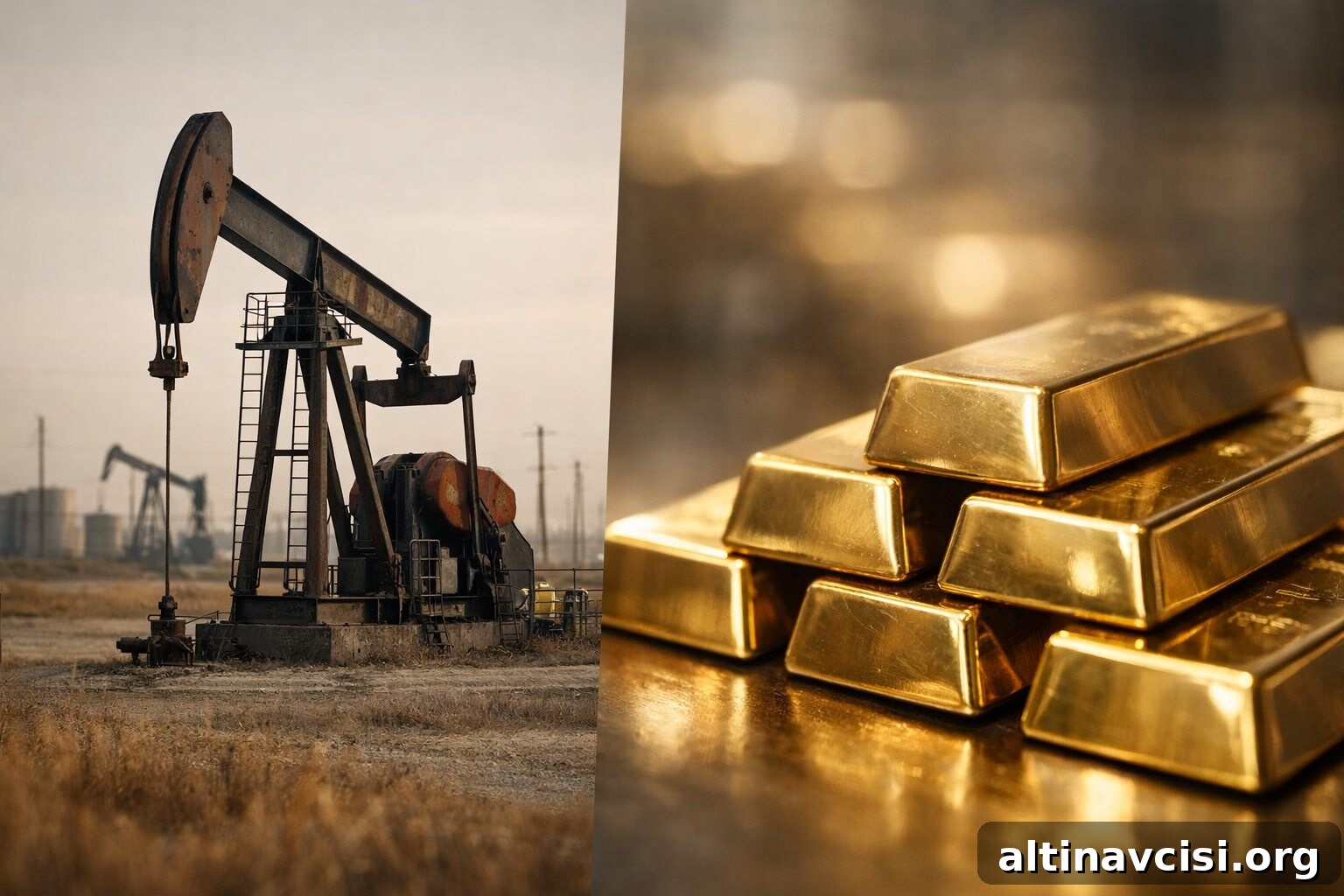
Right now, oil is driving the headlines. Brent crude surged past $119 per barrel this week, an roughly 80% jump since the conflict began as tanker traffic through the Strait of Hormuz was effectively halted. That spike creates a fresh inflation shock for global economies that were already struggling to bring prices under control.
Higher energy costs feed directly into consumer prices, forcing central banks into a difficult position. Sticky inflation can keep interest rates higher for longer. Rising real yields and a firmer dollar tend to weigh on gold in the short term — explaining the recent price pressure in the paper markets. But the broader macro effects are what matter for precious metals over time.
Energy-driven inflation shocks don’t just push headline numbers up. They reveal underlying stresses: heavier debt burdens, more constrained policy choices, and slowing growth. Those are the conditions that historically drive investors back to gold — not as a speculative trade but as a store of value and portfolio insurance.
So while gold faces a clear near-term headwind from higher yields and a stronger dollar, the case for renewed demand over the medium term remains intact.
The Edge Every Investor Needs
Smarter precious metals investing starts here. The Nuggets Newsletter brings you essential market insights, Fed updates, global trends, educational videos, and more.
If the Strait of Hormuz Stays Closed, How High Could Oil Go?
Saudi officials have run scenarios that look alarming: if the disruption through the Strait of Hormuz persists into late April, crude could move toward $150, then $165, and possibly $180 per barrel. Such a rapid trajectory would rank among the most severe energy shocks in modern times.
Importantly, Saudi Arabia does not want prices to spike so fast that demand collapses. A sudden jump risks destroying consumption, slowing economies, and destabilizing the oil market itself. Economists estimate that crude near $138 per barrel would push the odds of a global recession above 50% — a level that would quickly become a major policy problem.
These shocks don’t stop at fuel. Higher energy costs ripple through food prices, shipping, manufacturing and logistics at a time when major central banks have limited room to respond, increasing the risk of stagflationary pressures.
Is Inflation Really Under Control? Here’s What the Fed’s Number Leaves Out
When the Fed chair described inflation as “somewhat elevated,” he pointed to core PCE at 3.0% — a measure that excludes food and energy. That exclusion is helpful for policy analysis, but it misses what consumers actually face at the grocery store and the pump.
Over the past year the excluded categories showed notable moves:
- Food up 3.1% — groceries up 2.4%, restaurant meals up 3.9%
- Beef up 14.4%
- Natural gas up 10.9%, electricity up 4.8%
- Gasoline down 5.6% — a decline recorded before the recent spike in oil
The gasoline figure is now reversing: gasoline prices have already risen roughly 15% since the conflict began. Analysts expect headline CPI to rise toward 3.3% in March, and that estimate still precedes the full pass-through of higher fuel into food transportation, shipping and manufacturing.
Core PCE at 3.0% sits above the Fed’s 2% target. When you include volatile food and energy, the inflation backdrop looks noticeably worse — and the March data will make that clearer.
Is Gold’s Biggest Weekly Drop Since Covid a Warning — or a Reset?
Gold is recovering some ground this morning, with spot prices modestly higher. Yet this week delivered gold’s largest weekly decline since the Covid era — nearly 9% down, with silver off about 10%. That sharp move was driven more by paper-market dynamics than a shift in underlying physical demand.
When the Iran conflict intensified and oil spiked, gold initially rallied. But rapidly rising futures prices triggered margin calls and forced leveraged traders to liquidate, amplifying the decline in futures markets. Throughout this volatility, physical premiums remained elevated and demand from stacking, institutional buyers and jewelers stayed steady. In short, the metal itself did not lose its fundamental appeal.
Money that fueled the 2025 rally included a lot of momentum capital that was never committed to a long-term thesis. As that capital exits, remaining buyers tend to be central banks, sovereigns and long-term holders — the investors who have driven sustained gold strength historically. This kind of cleansing in speculative positioning has often preceded subsequent gold advances.
Do Central Banks Buy More Gold When Prices Fall?
History shows central banks often use price dislocations as buying opportunities. During 2022, when gold dropped roughly 20% from its March peak to a September low, central bank purchases totaled 1,082 tonnes — the highest level since 1950. In 2023 and 2024 they continued to add large volumes, with annual purchases well above the 2010–2021 average.
Buying slowed in 2025 to 863 tonnes as record-high prices prompted more measured additions, but that total still exceeded the prior decade’s average. Heading into 2026, a large share of central banks indicated intentions to increase holdings, with few planning reductions. Recent years show that price volatility and geopolitical stress have not deterred official buyers; instead, they created buying opportunities.
A caveat: through-the-month reporting for February and March is still pending, so we’ll monitor those updates closely. But the multi-year trend is clear: central banks remain key, steady buyers of gold.
Stay On Top of Gold & Silver Prices
Get important market alerts sent straight to your inbox.
You May Also Like
- Gold Price Drop Today — War Rages as the Debt Hits $39 Trillion
- Gold Price Outlook: Fed Holds, PPI Climbs
- Gold Price Today Holds at $5,000 — What’s Driving It
- Gold Price Forecast 2026: Fed, Iran, and the $6,000 Question
- Gold and Silver Prices Today: Stagflation, the Fed, and What Comes Next