Gold Tops $4,124 as Treasury Yields Fall Ahead of Friday Test
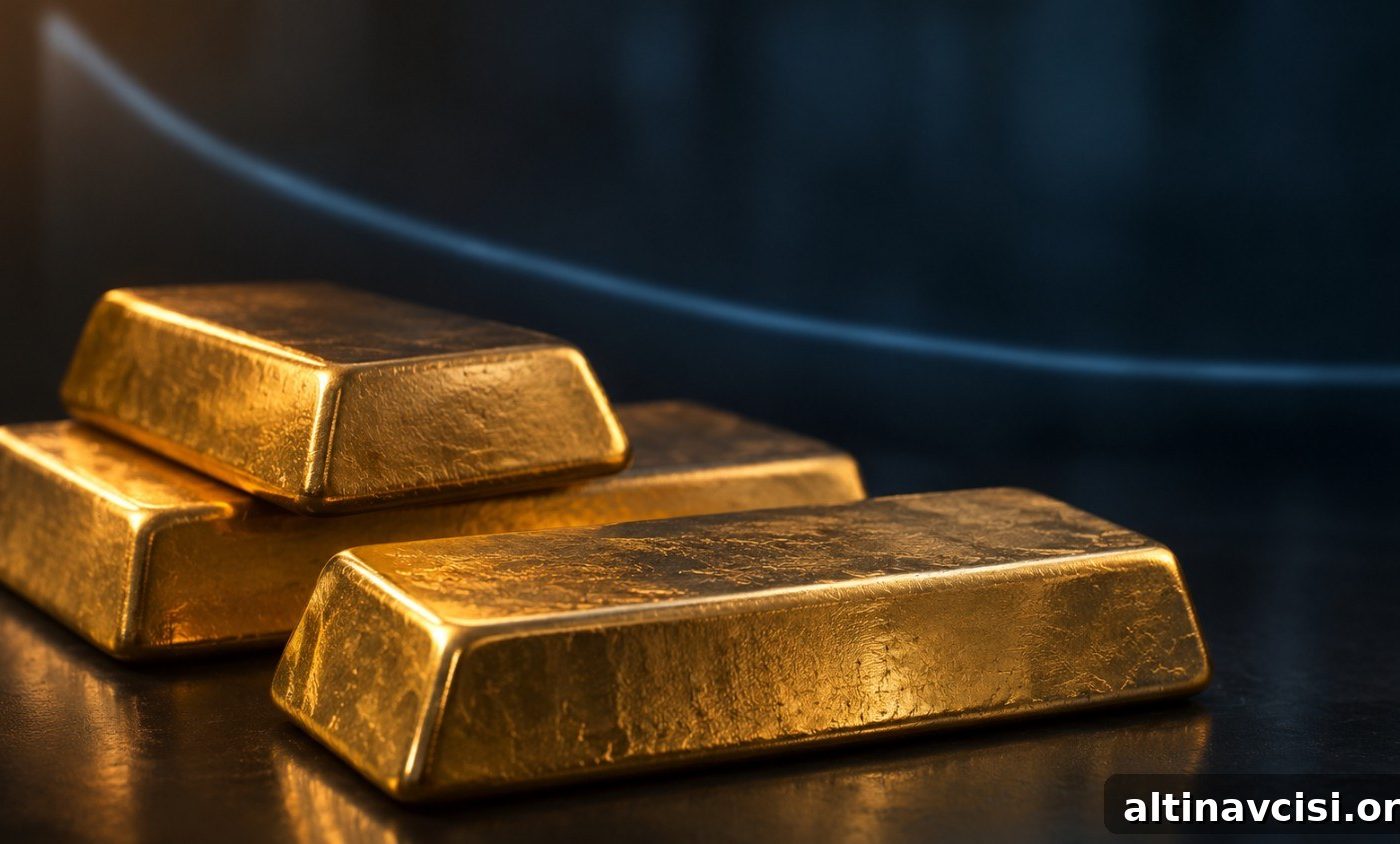
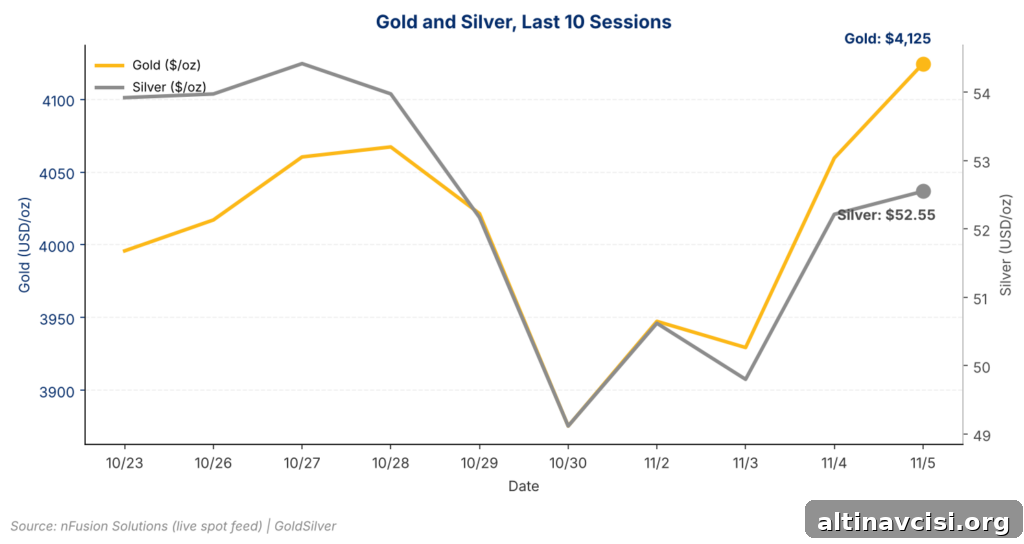
Gold traded near $4,124.53 an ounce on Thursday, up about 1.6% from the day’s opening price. Silver changed hands around $52.55, a gain of roughly 0.5%. Both metals are extending the rally that began on Tuesday after a Democratic sweep in the U.S. midterm elections. The most important development now is not the election itself but the reaction in Treasury yields and the U.S. dollar since the vote.
Why Are Gold and Silver Rising Today?
Gold and silver are rising because the same market mechanism that propelled Tuesday’s rally remains in effect: Treasury yields have eased, reducing the opportunity cost of holding non-yielding bullion. The benchmark 10‑year Treasury yield fell from about 5.05% on October 28 to roughly 4.91% by November 2, according to Federal Reserve data. It then ticked up to 4.95% on November 3, per the Treasury’s par-yield curve, before drifting back toward 4.92% on November 4. Overall, the 10‑year yield is still lower than where it began the week, even if the path has been choppy.
The relationship matters because gold does not pay interest. When Treasury yields fall, the relative attractiveness of bonds versus bullion shifts in favor of gold. Because gold’s demand is primarily monetary rather than industrial, it tends to respond more directly to shifts in yields and the dollar than industrial metals do. Historically, a quarter‑point move in real yields has moved the gold price by roughly $40 to $60 an ounce, so even modest net declines in yields can produce meaningful upward pressure on bullion.
The Edge Every Investor Needs
Smarter precious metals investing starts here. The Nuggets newsletter delivers market insights, Fed updates, global trends, and educational content to help you make better-informed decisions.
What Is Driving Treasury Yields Lower?
Markets are pricing a higher probability of a Federal Reserve rate cut in December, and that shift in expectations has helped pull yields lower. The election outcome removed a significant source of near‑term policy uncertainty, which made traders more comfortable leaning into a rate‑cut scenario. Looking at real yields — which strip out inflation expectations — the 10‑year real yield eased from about 2.67% to 2.60% before settling slightly higher near 2.62%. At the same time, inflation expectations (measured by the 10‑year breakeven rate) have remained roughly flat at about 2.3%, suggesting the move is driven by shifting rate expectations rather than fresh inflationary pressures.
Thursday’s data calendar added context but not decisive new information. The Commerce Department released third-quarter unit labor costs while the Labor Department published weekly jobless claims at 8:30 a.m. ET. Neither release carries the weight of the monthly payrolls report, so markets treated Thursday as a preview rather than the main event.
Why Is Silver Keeping Pace With Gold?
Silver has tracked gold’s move because the same yield‑and‑dollar dynamic is at work, and silver also benefits from industrial demand. Silver remains below the levels it reached in late October, when it closed above $54 on October 27 after recovering from a dip under $50 earlier in the month. The gold-to-silver ratio sits near 78.5, only a modest change from the high‑70s range it has held since October 30. Today’s price action looks like a coordinated move across both metals rather than an independent surge in silver.
What Happens Friday?
Friday brings the October nonfarm payrolls report — the critical data point traders will use to test whether this week’s shift in Fed expectations is durable. A weaker-than-expected payrolls print would reinforce the case for a December rate cut and could extend gains in gold and silver. Conversely, a stronger-than-expected jobs report would likely push yields higher and test whether bullion’s recent gains can hold. In short, Friday’s jobs data is the first major market test of whether this move reflects a persistent change in monetary expectations or a shorter-lived reaction to the election.
For long-term investors, it helps to distinguish between the catalyst and the mechanism. The election served as the immediate catalyst; the actual price pressure comes from falling real yields and a softer dollar — the mechanism that will continue to affect precious metals prices regardless of which political headline dominates next.
Stay On Top of Gold & Silver Prices
Receive important market alerts and updates delivered to your inbox.
SOURCES
1. FRED — Market Yield on U.S. Treasury Securities at 10-Year Constant Maturity (DGS10)
2. TD Economics — Upcoming Economic Releases and Events, Nov 2–6 2026
3. Markets.com — US Jobs Report Preview: Will October Payrolls Lock In a December Fed Rate Hike?
4. Markets.com — Gold Price Today: Bullion Rises Above $4,100 as Treasury Yields Fall
5. EconoTimes — U.S. Treasury Yields Ease as 10-Year Rate Stands at 4.9167%
6. EconoTimes — Silver Rises 4.4% as Dollar and Treasury Yields Weaken After U.S. Vote
Disclaimer: This article is for informational purposes only and does not constitute investment advice. Past performance is not indicative of future results. Always consult a qualified financial advisor before making investment decisions.
You May Also Like:
- Gold Silver Price Today: Midterm Election Results Spark Rally
- Gold, Silver Price Today: Gold Nears $3,970 Resistance
- Q3 Central Bank Gold Buying +42%, Bar-and-Coin Demand -19%
- Gold, Silver Prices Today: Why Are They Rebounding?
- Gold and Silver’s October Selloff: What Changed?
- Silver Price Below $50: Why It’s Falling Faster Than Gold
- China Gold Imports via Hong Kong: Up Over 28%, Demand Mixed
- World Bank Precious Metals Outlook: 2027 Forecast
- Silver Tests Its 2026 Low Again
Popular Topics
Picked from the archive
-
01
 Topics
Why Investors Choose the Vienna Philharmonic Gold Coin
-
02
Topics
Stablecoin Issuer Outspent Central Banks on Gold Last Year
-
03
Topics
Why Gold Prices Are Falling Amid the Oil War
-
04
Topics
How to Buy Gold in 2026: Step-by-Step Guide for Beginners
-
05
Topics
Silver Appears Weak, Silver-to-Gold Ratio Signals Accumulation
-
06
Topics
Why Gold Prices Are Falling: What Most Investors Get Wrong
-
07
Topics
Should You Still Hold Gold in Your Portfolio?
-
08
Topics
Gold Bars vs Jewelry: Why Investors Choose Bullion