Gold Slump Began Before Fed Minutes: What Changed
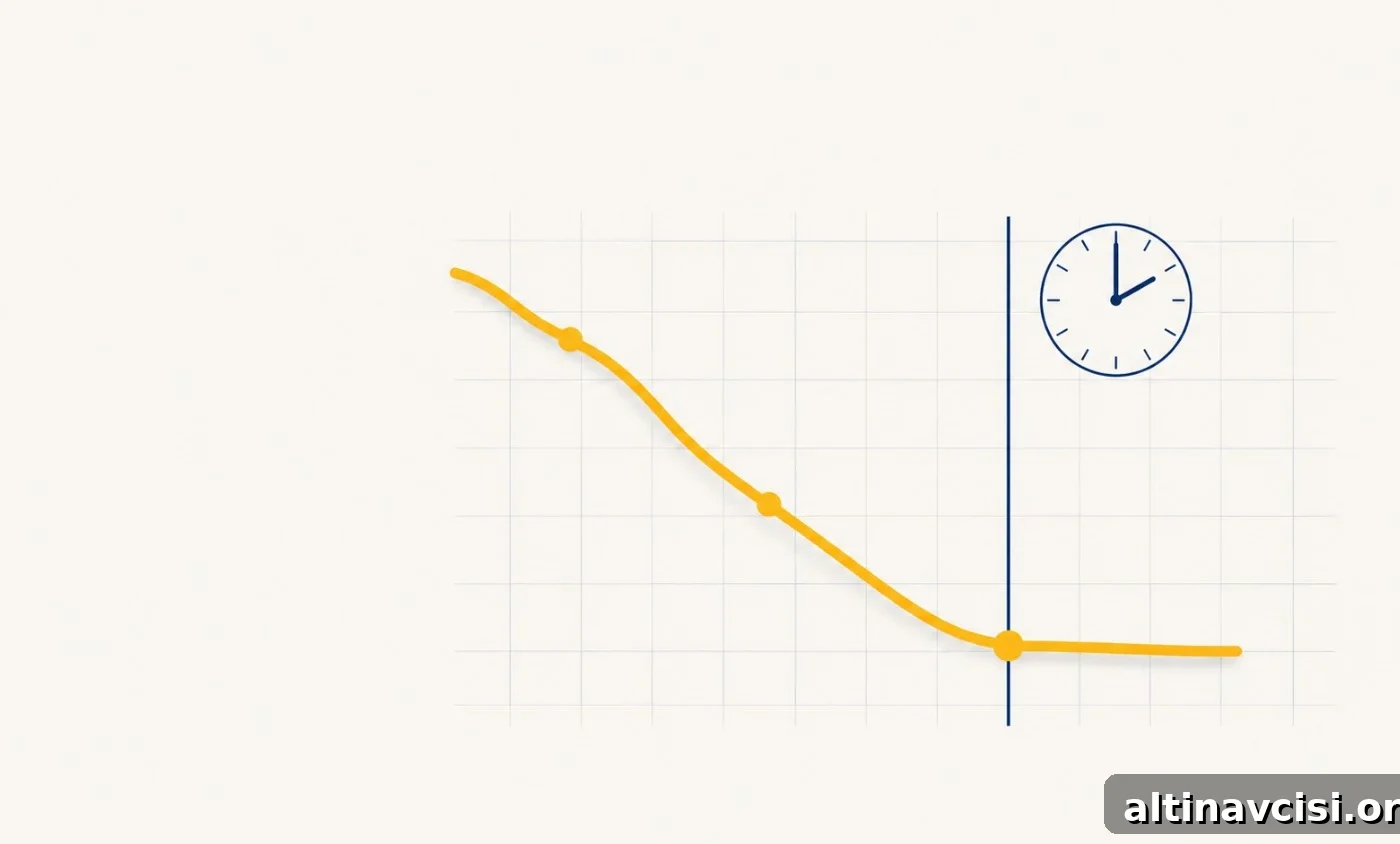

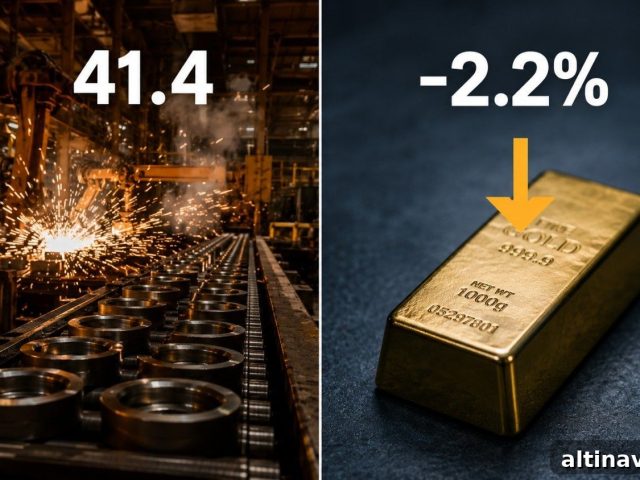
The Federal Reserve released the minutes from its October meeting at 2:00 p.m. ET on Wednesday, November 18, 2026. By that time, most of gold’s decline had already taken place. Spot gold traded near $3,740 an ounce at 1:45 p.m. ET, roughly $110 below Tuesday’s close. In the hour following the minutes’ release it fell only another $16 or so. That sequence is important for anyone comparing Fed guidance with immediate moves in the gold market: the minutes largely confirmed a path traders had already priced in rather than triggering a fresh, significant selloff.
Key Takeaways
- The FOMC voted 10–2 to keep the federal funds rate at 3.75%–4.00% on October 28. According to the minutes, almost all participants judged that additional rate increases could be appropriate.
- About 85% of gold’s drop between Tuesday’s close and 3:00 p.m. ET on Wednesday happened before the minutes were published. The minutes confirmed an already priced path more than they caused a fresh selloff.
- November inflation data arrive after the December FOMC meeting: the jobs and October PCE reports, which come before that meeting, may carry more weight for the Committee’s next move than the November CPI, which is released one day after the December meeting ends.
What Did the Fed’s October Minutes Say?
The minutes portray a Fed that remains biased toward higher rates but is not hurrying. On October 28, ten members supported holding the federal funds rate at 3.75%–4.00%; two members, Lisa Cook and Beth Hammack, preferred a quarter-point increase. The discussion indicated that most participants expected further hikes could be appropriate if incoming data warranted them. For owners of physical gold, that implies a “higher-for-longer” policy path rather than a single surprise shock.
Two details sharpen that view. Several participants described the October decision as a close call, and a few said that, depending on inflation readings, a move larger than 25 basis points—meaning a half-point—could be considered in December. Markets were already pricing in that possibility: shortly before the minutes were released, probabilities for a quarter-point December hike were high, with a much smaller chance assigned to a half-point increase. The Fed’s internal survey also showed a median path that includes another hike in December and a subsequent move in early 2027, followed by cuts in 2028; that survey reflects expectations, not policy commitments.
The Edge Every Investor Needs
Smarter precious metals investing starts here. The Nuggets newsletter delivers market insights, Fed coverage, global trends and educational content to help you make informed decisions.
Fed Minutes and Gold: Did the Release Move the Price?
Only modestly. Spot gold fell roughly $110, about 2.9%, from Tuesday’s close to 1:45 p.m. ET. It was near $3,738 at 2:00 p.m. and around $3,722 by 3:00 p.m., so the immediate impact after the minutes added only about $16, or 0.4%. By mid-afternoon gold recovered slightly to about $3,731. In short, roughly 85% of the decline measured through 3:00 p.m. had occurred before the minutes were made public.
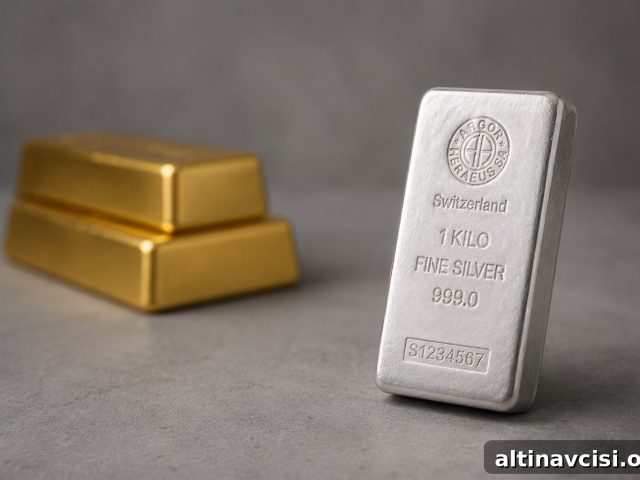
Silver followed a similar path: down about 4.5% by 1:45 p.m., then losing another 0.9% by 3:00 p.m. That timing suggests the minutes largely confirmed expectations rather than provoking most of the move, though it does not prove what triggered the earlier drop. Reports before the release cited hawkish Fed comments and stronger dollar and Treasury yields as likely drivers. For example, some Fed officials signaled a more aggressive stance on rates, and hawkish remarks pushed market interest-rate expectations higher.
What Do the Fed Minutes Mean for Gold Owners?
Higher policy rates raise the opportunity cost of holding non-yielding assets like gold, but they do not erase the reasons people own it. Gold does not pay interest; a common benchmark for its opportunity cost is the inflation-adjusted yield on 10‑year TIPS. As real yields rise, holding gold becomes relatively more expensive because investors can earn more by shifting into inflation-protected government bonds.
That arithmetic compares holding costs, not price direction. Real yields can fall again, which would improve gold’s relative appeal. Additionally, the minutes showed the Fed’s longer-run rate estimate ticked higher, linked in the report to higher estimates of the longer-run real rate. If those higher longer-run estimates persist, they could be a more durable headwind for gold than a one-time hike. Still, many buyers hold physical gold for reasons unrelated to short-term policy moves: it has no issuer or counterparty risk and can act as a portfolio diversifier over longer horizons.
What Else Did the Fed Worry About Besides Inflation?
The minutes paid notable attention to financial stability risks. Participants flagged the possibility that returns from artificial intelligence investments could fall short of expectations and noted rapid growth in AI-related debt, some of which has been structured through complex, opaque financing. The Fed’s market operations desk also observed a widening of the French-German 10‑year yield spread to levels not seen since the 2011 euro-area sovereign debt crisis.
Fed staff judged the financial system still resilient, supported by generally strong bank and household balance sheets, but they cautioned that current vulnerabilities could amplify shocks more than usual. These concerns underline two simultaneous conversations at the Fed: one focused squarely on inflation and rate policy, and another centered on leverage and financial stability. The latter is more relevant to gold’s role as a counterparty-free asset and to long-term diversification rather than to immediate price moves driven by a single meeting.
What Should Gold Owners Watch Before the December Fed Meeting?
Three upcoming reports matter, plus an important timing quirk: the October personal income and outlays report, which includes the PCE price index, is published November 25 by the Bureau of Economic Analysis; the November jobs report arrives December 4 from the Bureau of Labor Statistics; and the Federal Open Market Committee meets December 8–9. The November CPI is released December 10, one day after the FOMC concludes, so it cannot directly shape the December decision.
Because the minutes tied the possibility of a larger December hike to incoming inflation data, the PCE and jobs reports that arrive before the meeting are likely to carry more weight for the Committee’s immediate decision than the November CPI, which comes after. That said, the minutes confirm a path consistent with more hikes if data warrant, not an inevitable half-point move. For long-term holders of gold, the key question remains whether real yields will keep rising once December’s data are in—a question one meeting cannot settle.
SOURCES
1. Federal Reserve Board — Minutes of the Federal Open Market Committee, October 27–28, 2026, published November 18, 2026.
Disclaimer: This article is for informational purposes only and does not constitute investment advice. Past performance is not indicative of future results. Always consult a qualified financial advisor before making investment decisions.
You May Also Like:
- Sovereign Debt and the Long-Term Case for Gold
- Gold Price Hits a One-Year Low Even After Nvidia’s Beat
- Gold and Silver Digest: Rising Costs, Shifting Demand
- Nvidia Earnings: Why Gold Could Move Tonight
- Oil Prices and Inflation: New Fed Research
- Gold Price Today Hits 13-Month Low, Silver Falls Faster
- Gold’s Price Higher Off 13-Month Low; Silver’s Isn’t
- 2026 Silver Deficit Forecast Shrinks; Tightness Eases
- October Budget Deficit: $404 Billion and the Gold Case
Popular Topics
Picked from the archive
-
01
 Topics
Manufacturing Hits Strongest Month of 2026 as Gold Plunges
-
02
Topics
Why Gold Should Watch the World’s Last Zero-Rate Anchor
-
03
Topics
IMF: Treasuries Are No Longer Safe, Gold Reacted First
-
04
Topics
Silver Outperformed Gold in August: Few Investors Noticed
-
05
Topics
Institutions Are Buying as Bond Yields Rise: What It Means
-
06
Topics
China Gold Imports via Hong Kong Surge 28% Amid Mixed Demand
-
07
Topics
2026 Silver Deficit Forecast Shrinks as Market Tightness Eases
-
08
Topics
Gold Hits 3-Month High, Silver 2-Month High: What’s the Link?