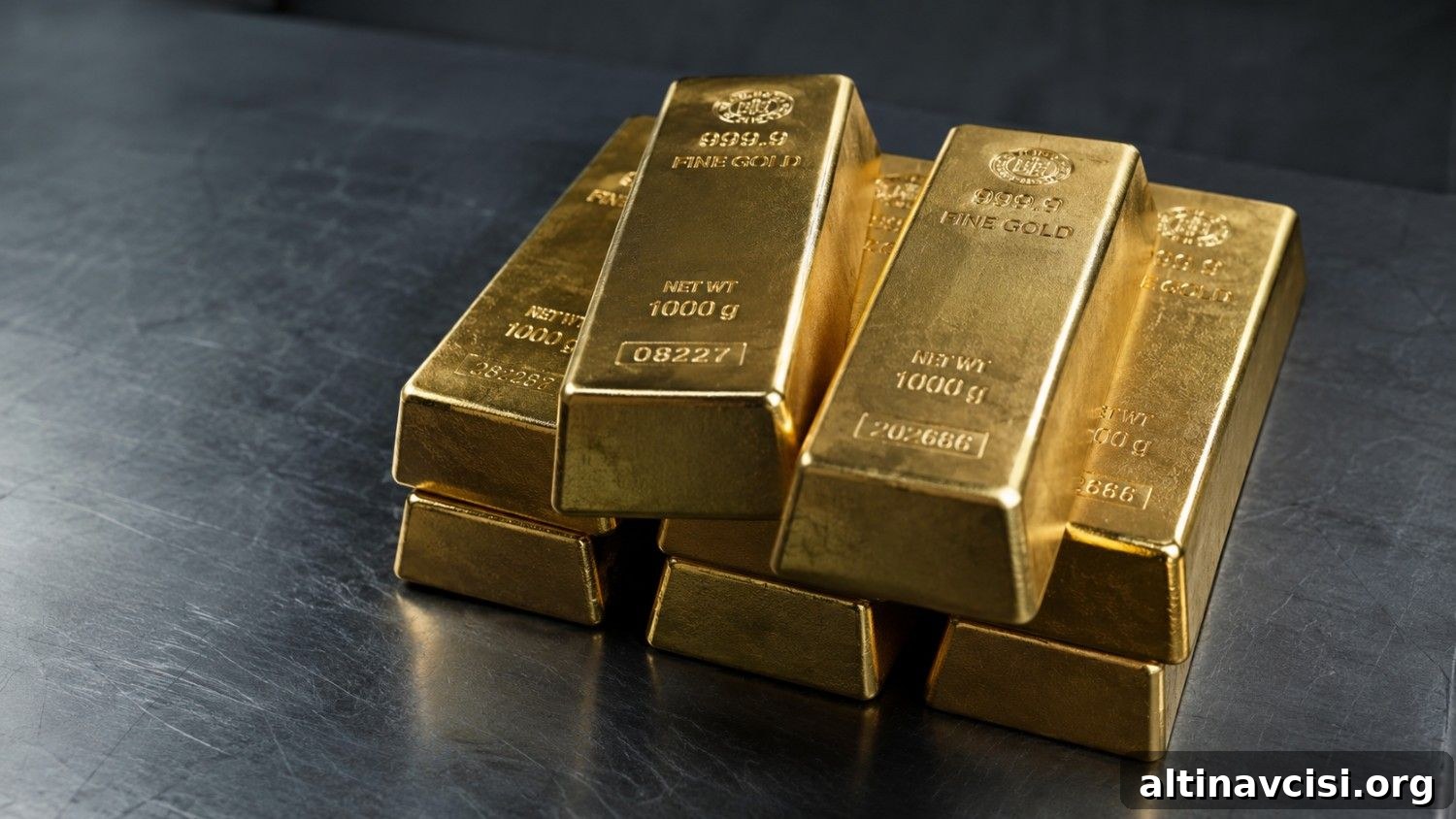
In today’s update: Gold and silver jumped sharply: gold about +3.4% to $4,362, silver about +4.7% to $71.20. A confirmed US‑Iran peace deal pushed oil to a two‑month low, central banks kept buying 244 tonnes of gold in Q1, and the Fed’s first dot plot under Chair Warsh arrives tomorrow.
On June 15, 2026, gold rose roughly 3.4% to $4,362 and silver climbed about 4.7% to $71.20. The peace agreement between the US and Iran sent oil lower and eased some of the inflation pressures that have weighed on precious metals since February. That headline is the immediate trigger, but four deeper forces are at work: central bank buying, ETF positioning, silver’s industrial demand, and the Federal Reserve’s upcoming dot plot. Together they explain today’s moves in gold and silver prices. (goldsilver.com/price-charts/, 9:33 AM ET)
Is the $80 Oil Price What Actually Matters Today?
WTI crude dropped to about $80 a barrel on Monday, its lowest level since late March. The peace deal caused the decline, but the absolute price matters because energy drove more than 60% of May’s 4.2% CPI reading, per the Bureau of Labor Statistics. With oil under $80, the inflation component that had markets pricing in a December rate hike begins to ease. Gold is sensitive to real yields — returns on government bonds after inflation — so when oil falls, pressure on real yields softens and precious metals typically benefit. The CME FedWatch Tool trimmed December hike odds from 69% to roughly 64% this morning after the peace news, a meaningful swing that helps explain the rally. Lower oil changes more than headlines: it alters the inflation backdrop and therefore what the Fed’s dot plot may show tomorrow.
The Edge Every Investor Needs
Smarter precious metals investing starts here. The Nuggets Newsletter brings essential market insights, Fed updates, global trends, educational videos, and much more.
Why Is Silver Outperforming Gold Today?
Silver’s gain of about 4.7% is roughly 1.4 times gold’s move, and that gap reflects two distinct demand drivers. The monetary driver works like gold’s: easing inflation from lower oil reduces real yields and benefits non‑yielding metals. The industrial driver is unique to silver. Disruption in the Strait of Hormuz had raised production costs and damped demand for silver in solar panels, electronics and EVs; reopening the strait lowers energy costs for manufacturers and restores industrial demand. The Silver Institute projects a sixth consecutive annual supply deficit of 46.3 million ounces in 2026, per the World Silver Survey 2026 — a structural shortfall that persisted through the conflict and now resurfaces as industrial demand returns. The gold‑silver ratio moved from 65.2 on June 9 (the month’s high) to about 61.3 this morning, reflecting silver’s stronger advance.
What Did Central Banks Do With Gold During the War?
They continued buying. The World Gold Council reported net central bank purchases of 244 tonnes in Q1 2026, above the five‑year average, even as gold retreated from January highs. In April, the National Bank of Poland added 14 tonnes, the People’s Bank of China bought 8 tonnes — its largest monthly purchase since December 2024 — and the Czech National Bank marked its 38th straight monthly addition. China has increased reserves for 18 consecutive months. Goldman Sachs revised its central bank demand model in May after London vault data revealed previously unrecorded sovereign buying, raising its estimate to about 60 tonnes per month through 2026. The war’s price correction acted as a buying opportunity for these institutions rather than a signal to sell.
Are ETF Investors Already Positioned for This Rally?
Not yet — and that is a key part of the story. Physically backed global gold ETFs saw net outflows of $2 billion in May, according to the World Gold Council’s May 2026 flows report, with North America and Asia leading the selling. Total ETF holdings stand at 4,121 tonnes, slightly below the February 27 record of 4,176 tonnes. Year‑to‑date flows remain positive at nearly $17 billion, but May’s pullback reflected Western investors sidelining themselves as oil‑driven inflation kept rate‑hike expectations elevated. Morgan Stanley has estimated that gold ETFs account for only 0.17% of US private financial portfolios — well below past peaks — and suggests that each one basis point increase in allocation could add around 1.4% to the gold price. Investors who trimmed exposure in May haven’t fully returned; today’s peace news and the Fed meeting could prompt re‑entry.
What Does the FOMC Tomorrow Mean for Gold This Week?
The Fed is expected to hold rates. CME FedWatch shows about a 97% probability the committee will keep the target at 3.50%–3.75% for the June 16–17 meeting. Kevin Warsh, sworn in as the 17th Federal Reserve Chair on May 22, 2026, will chair his first meeting. Markets will focus on the dot plot — the committee’s rate projections for 2026 and 2027. In March, the prevailing outlook implied one hike by year‑end; with oil nearer $80 and the peace deal in place, that path looks less likely. Analysts at Vital Knowledge noted that lower oil gives Chair Warsh room to signal a dovish lean, which could nudge the dot plot in a less hawkish direction. A neutral‑to‑dovish dot plot would lift the real yield ceiling that has constrained gold since February; a hawkish plot would test today’s gains. The dot plot and Chair Warsh’s comments will arrive Wednesday at 2 PM ET.
Five developments linked by one thread: falling oil changes the inflation calculation, that alters what the Fed can signal, and that in turn affects precious metal demand. Central banks have remained active buyers while many Western ETF investors stepped back — and those investors are not yet fully positioned for this rally. For long‑term holders of physical gold and silver, today’s move is not a signal to trade aggressively but a reminder that the forces compressing prices since February were specific and temporary rather than structural. The broader structural case for these metals remains intact; recent events only make it clearer.
Stay On Top of Gold & Silver Prices
Get important market alerts sent straight to your inbox.
SOURCES
1. GoldSilver.com — Live Gold & Silver Price Charts
2. CME Group (NYMEX) — WTI Crude Oil Futures
3. CME Group — FedWatch Tool
4. Bureau of Labor Statistics — Consumer Price Index, May 2026
5. World Gold Council — Central Bank Gold Statistics, June 3, 2026
6. World Gold Council — Gold ETF Flows: May 2026
7. Silver Institute — World Silver Survey 2026
8. CNBC — Gold Gains After US‑Iran Peace Deal, June 15, 2026
9. Federal Reserve — FOMC Minutes, April 28–29, 2026
Disclaimer: This article is for informational purposes only and does not constitute financial or investment advice. Always consult a qualified financial adviser before making investment decisions.
You May Also Like:
- Iran Peace Deal Sends Oil Down 5%, Gold Up 3%
- Gold & Silver Surge on Iran Peace Deal — Then Pull Back
- Silver Fell 22% in 30 Days. Gold‑Silver Ratio Hits 63.
- Every Bearish Catalyst Landed at Once. Gold and Silver Went Up Anyway.
- Gold at Seven‑Month Lows: Why Geopolitical Fear Is Not Enough
- Gold Slides to $4,130 as Iran War Turns Inflation Against It
- May CPI Printed 4.2%. Core Inflation Beat. So Why Did the Gold Price Drop?
- Gold Is Down 9%. The CPI Print That Could Either Extend the Drop — or End It.
- Gold Price News: Goldman, China, CPI, and the Fed Explained
- Gold Near $4,330 as Rate‑Hike Bets Hit 70% and China Acts