Gold Price Surge Drives Producers to Seek Larger Share
Daily News Nuggets | Today’s top stories for gold and silver investors
March 16th, 2026 | Brandon Sauerwein, Editor
Can Gold Hold $5,000 as the Fed Pushes Back?
Gold is trading around the $5,000 level as two powerful forces pull in opposite directions. Geopolitical tensions in the Middle East, combined with pressure on Iran over its nuclear program, have lifted safe-haven demand. At the same time, the direction of U.S. interest rates is creating a counterweight that will shape gold’s path through 2026.
Stronger-than-expected economic readings have reduced the likelihood of near-term rate cuts, giving the Federal Reserve room to remain patient. Fewer cuts, delayed cuts, or even the chance of no cuts this year would place a limit on gold’s immediate upside. That dynamic means momentum for the metal will depend not only on geopolitics but also on incoming inflation and labor data that could influence Fed decisions.
Major banks remain constructive on gold despite the rate-risk backdrop. Institutions such as Goldman Sachs, BNP Paribas, and Deutsche Bank continue to forecast additional appreciation for the metal. Their outlooks emphasize a longer-term shift: growing skepticism among investors about central banks and monetary policy. That kind of structural concern often outlasts short-term market moves, giving gold a durable bid even if rate expectations moderate.
Gold Spot Price (USD/oz)
$4,000 crossed — Sep 2025
$5,000 broken & held — Jan 2026
What Happens to Markets If Rate Cuts Don’t Come?
Expectations for rate cuts have slipped. With the Fed scheduled to meet on March 18–19, investors are re-evaluating how much easing is realistic this year. Economic resilience and persistent inflation mean the Fed has less cover to move quickly toward lower rates.
Only a few weeks ago markets penciled in the first cut for June. Today, many institutions point to a later window — September or beyond — and some analysts now say a cut this year is not guaranteed. If inflation fails to trend convincingly toward the Fed’s 2% target, the “higher-for-longer” narrative for rates will remain in force.
Markets are already reacting. Treasury yields have climbed as investors extend their timelines for policy easing, while equities and other risk assets are re-pricing for a slower path toward lower rates. Should the March meeting reinforce that cuts will be delayed or smaller than previously anticipated, investors can expect further adjustments to asset allocations into the second half of the year.
The Edge Every Investor Needs
Smarter precious metals investing starts here. The Nuggets Newsletter delivers timely market insights, Fed updates, global trends, educational videos, and more.
Why Are Rising Oil Prices a Problem for the Fed?
Oil prices have jumped in recent weeks, and market participants are watching closely. Disruptions arising from the U.S.-Iran tensions have tightened supply in a key energy region, putting upward pressure on crude. The concern is whether oil’s rise is a fleeting spike or the start of a more persistent inflationary trend.
Energy is a direct input to consumer prices. When transportation, manufacturing, and logistics costs increase, those pressures pass through quickly into consumer-facing prices. For the Fed, higher energy-driven inflation reduces flexibility to cut rates, because it could keep overall inflation elevated even as other indicators improve.
If the market concludes that oil-driven inflation is likely to persist, the “higher-for-longer” rate outlook becomes stronger. That, in turn, tends to lift demand for safe-haven assets such as gold, which already shows signs of reflecting these macro dynamics.
As Gold Prices Rise, Who Actually Profits From Mining It?
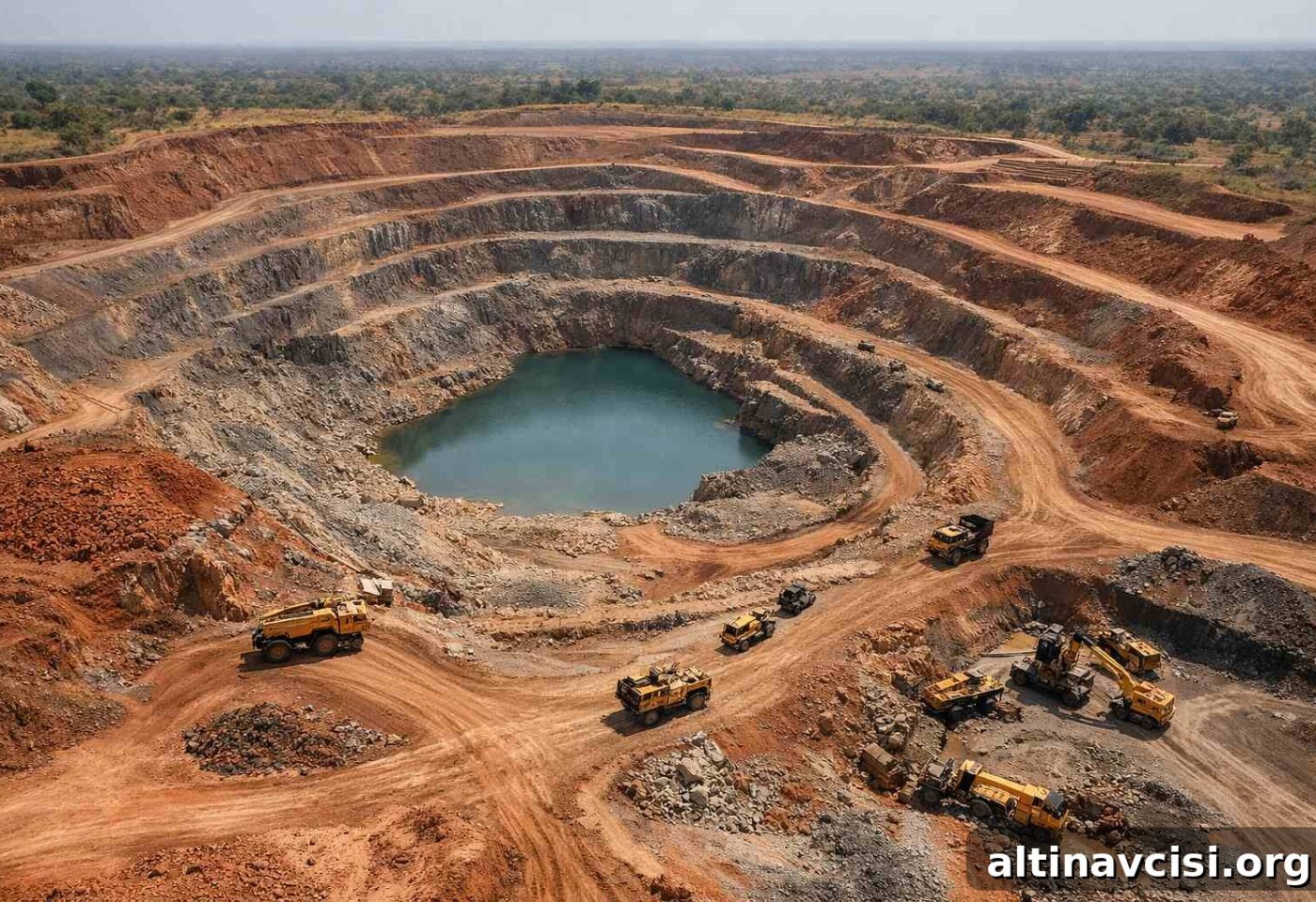
Ghana ranks among Africa’s top gold producers, but its government says local citizens have not captured enough of the gains from rising prices. In response, Ghana has raised mining royalties — a move that could influence future supply dynamics if it affects investment decisions.
Gold mining contributes significant export revenue and public income in Ghana, yet much of the profit has historically flowed to foreign firms. Higher royalties aim to redirect a greater share of mining proceeds to the country, but they also increase operating costs for mining companies.
This pattern is not unique to Ghana. Governments in several resource-rich countries have signaled a willingness to increase taxes and royalties on extractive industries. If those policies deter new investment or prompt producers to scale back expansion plans, global gold supply could tighten over time even as demand remains robust.
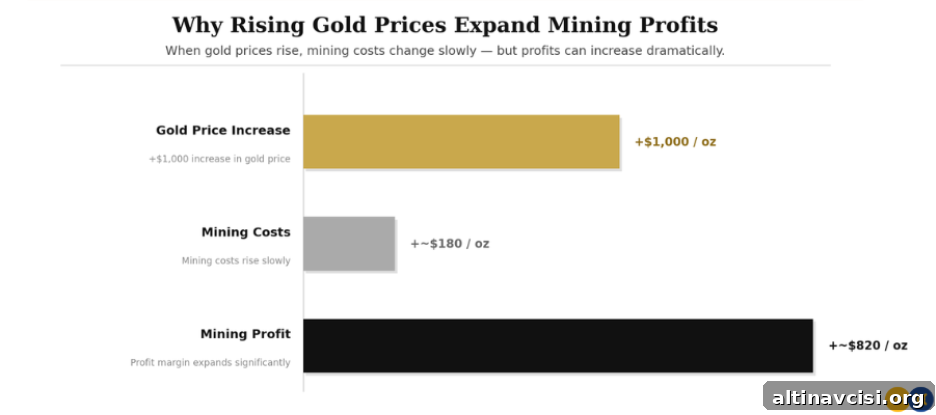
The supply-side implications merit attention. Tighter fiscal terms and increased regulatory uncertainty can raise the cost of developing new mines and extend project timelines. For investors, that means monitoring policy shifts in major producing regions is as important as following demand trends.
Is Now a Good Time to Own Gold and Silver? BlackRock Thinks So.
BlackRock, the world’s largest asset manager, sees a compelling role for precious metals in today’s markets. Their assessment goes beyond simple safe-haven demand and highlights structural reasons to hold gold and silver.
Gold’s appeal includes its low correlation with equities and bonds, which makes it an effective diversifier. In periods when stocks and bonds both struggle, gold often behaves differently and can preserve portfolio value. That differentiating trait has grown more valuable as traditional asset relationships have shifted.
Silver combines monetary characteristics with meaningful industrial demand. It plays a role in renewable energy technologies, including solar panels and electrification infrastructure, which creates a fundamental floor under silver as industrial use grows. That dual-purpose profile can make silver attractive for investors seeking both a store of value and exposure to real-world demand drivers.
BlackRock’s conclusion: in an environment marked by geopolitical risk, uncertain policy paths, and ongoing volatility, precious metals deserve consideration as part of a diversified investment approach.
You May Also Like
- Why Oil Is Surging and Gold Isn’t (Yet)
- Gold Price Rises as Iran War Escalates
- February 2026 CPI Report Shows Inflation Calm Before Oil Shock Hits
- Ray Dalio Says Gold Is Still “The Safest Money”
- The CPI Report and Gold: Why Inflation Data Moves the Metal
Popular Topics
Picked from the archive
-
01
 Topics
Why Gold Belongs in Your Alternative Investment Portfolio
-
02
Topics
Copper Inventories Drop 80% Amid US Tariff Fears, Supply Crisis
-
03
Topics
Crypto Treasury Firms Flood Wall Street in SPAC Gold Rush
-
04
Topics
June Home Sales Drop 2.7% as Affordability Squeeze Worsens
-
05
Topics
Tariff Uncertainty and Fed Outlook Keep Gold Prices Volatile
-
06
Topics
Gold Falls to One-Week Low as Trade Talks Enter Final Days
-
07
Topics
CBO: Trump Tax Law Increases U.S. Deficit by 3.4 Trillion
-
08
Topics
Gold Bulls Await Fed Clarity as Triangle Signals Rally to 3,700