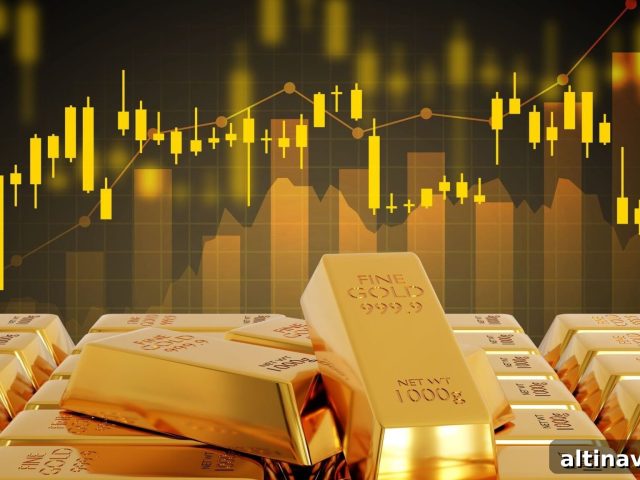
Gold Price Slides Today Amid War and US Debt Reaches 39 Trillion

🌆 Evening News Nuggets | Top stories for gold and silver investors
March 19th, 2026 | Brandon Sauerwein, Editor
Gold’s sharp drop today surprised many investors. Below is a clear explanation of the forces that moved markets on Thursday and what investors should watch as the weekend approaches.
Is This a Gold Selloff — or the Setup for the Next Leg Higher?
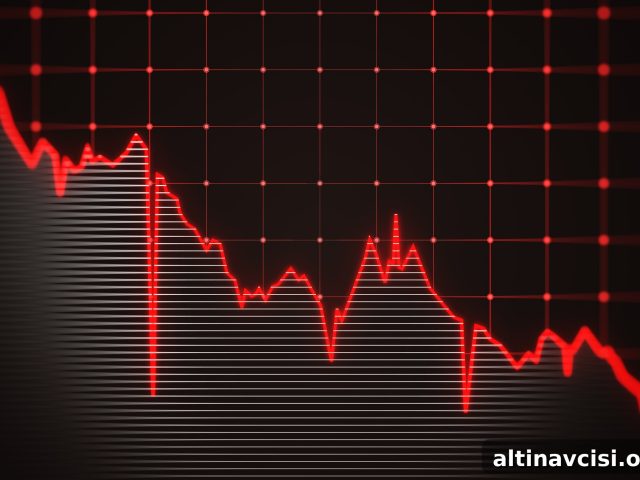
Gold fell sharply today, sliding toward $4,650 — down roughly 3.5% on the day. At first glance, the move looks like a breakdown at a politically and geopolitically sensitive moment: conflict risks are rising, yet the metal weakened. The immediate drivers and the broader context explain what actually happened.
Mechanically, the surge in oil prices has been the key catalyst. Higher crude reignites inflation expectations, which in turn pushes expected rate cuts further into the future. Expectations of “higher for longer” interest rates are a direct headwind for gold because real yields and opportunity costs for holding non-yielding assets rise.
There is also a liquidity dynamic at work. When liquidity tightens suddenly, investors tend to sell the most liquid assets first — not necessarily those they want to sell. Gold is among the most liquid of physical and exchange-traded precious metal instruments, so it often absorbs selling pressure early in stress events. These sharp, counterintuitive pullbacks are common during late-stage corrections and do not automatically mean the longer-term bull market is over.
The structural case for gold remains intact. Energy-driven shocks from conflict, a national debt that has crossed $39 trillion, and a Federal Reserve constrained by persistent inflation are ongoing pressures — slow-building but durable. When policy responses eventually arrive, gold has historically reacted quickly and dramatically. For now, this looks less like a terminal breakdown and more like a pause while markets await the next catalyst.

What Does a $200 Billion War Do to a $39 Trillion Debt?
Today’s $39 trillion debt milestone took on new significance after the Pentagon confirmed it requested more than $200 billion in supplemental war funding. Defense leaders said the figure “could move,” underscoring how quickly budget requirements can shift in an active conflict.
To put the request in perspective: the initial days of the conflict consumed several billion dollars, and at an estimated pace of roughly $1 billion per day, a $200 billion supplemental appropriation would fund many weeks or months of continued operations. The Pentagon provided no clear timeline for an end to the conflict, and senior officials said decisions about mission duration will be determined at the highest levels.
For public finances, the math is stark. A $200 billion outlay added to a debt already growing at nearly $2 trillion per year constrains fiscal choices. Governments facing this pressure generally have three paths: cut discretionary spending, raise taxes, or increase money supply. The first two are politically costly; the third — looser monetary policy or fiscal monetization over time — is historically bullish for hard assets such as gold and silver.

The Edge Every Investor Needs
Smarter precious metals investing starts with reliable market context. The Nuggets newsletter delivers concise market insights, Fed updates, global trends, and educational commentary.
Sign up for market alerts and analysis. No scripts or external forms are embedded in this version.
Is the DOJ Investigation Into Powell a Threat to Fed Independence?
Former President Trump publicly supported the Justice Department’s criminal inquiry into Federal Reserve Chair Jerome Powell, citing cost overruns on the Fed’s headquarters renovation. A federal judge reviewing the matter concluded the subpoenas appeared intended to pressure Powell to lower rates or to prompt his replacement with someone more accommodative.
The timing complicates matters. Powell held rates steady just one day before these developments and his current term expires in May. A nomination for his replacement has been announced, but confirmation could be delayed as senators weigh the investigation and the political context. Powell himself stated he would not step down until the legal and administrative questions are resolved.
Central bank credibility is fragile: it can erode slowly but collapse quickly under political interference. If markets perceive the Fed as operating under political pressure, demand for safe-haven and hard assets typically rises as investors seek protection from policy uncertainty. That institutional risk is an important backdrop for gold and silver demand.
Silver Crashed 10% Today. Retail Investors Bought More.
Silver plunged more than 10% on Thursday, yet retail investors reacted differently than many expected: they bought. Data showed small investors acquired more than $19 million in the iShares Silver Trust (SLV) in the first two hours of trading, putting that ETF on track for its strongest buying day since early March. At the same time, retail flows into gold ETFs were net negative, with GLD experiencing its largest selling day since late February.
This divergence is notable. Retail participants have repeatedly stepped in to buy silver during sharp corrections, including earlier in the year when silver futures suffered a substantial single-day drop. Whether that buying reflects deep conviction or conditioned reflex buying on dips is an open question. What is clear: retail appetite for silver remains resilient even as some investors show impatience with gold. That split in sentiment can amplify volatility and help signal where the next large move might originate.
Stay On Top of Gold & Silver Prices
Receive concise market alerts and analysis sent directly to your inbox.
You May Also Like
- Why Is Gold Falling While a War Is Raging?
- Gold Price Outlook: Fed Holds, PPI Climbs
- Gold Price Today Holds at $5,000 — What’s Driving It
- Gold Price Forecast 2026: Fed, Iran, and the $6,000 Question
- Gold and Silver Prices Today: Stagflation, the Fed, and What Comes Next
Popular Topics
Picked from the archive
-
01
 Topics
Gold Price Drops Below 50-Day Moving Average
-
02
Topics
Gold Rally Consolidation Signals Continued Upside
-
03
Topics
Hong Kong Plans New Global Gold Trading Platform
-
04
Topics
Gold Price Falls 0.5% Ahead of Fed Appointment
-
05
Topics
Gold Price Nears $4,000 as U.S. Data Confidence Falters
-
06
Topics
JPMorgan Predicts Gold Could Top $5,400 by 2027
-
07
Topics
US-EU Deal Sets 15% Tariffs; China Truce to Continue
-
08
Topics
EU Rushes to Avert Trump’s 30% Tariff Deadline