Gold, Oil and the Fed: Why Old Market Rules No Longer Apply
Gold and silver market update — April 29, 2026
In today’s update: Why are gold and silver slipping even as inflation rises? With Brent crude near $114, the Fed holding rates at 3.50–3.75%, and Kevin Warsh advancing toward the Fed chair, conventional rules are shifting — and Thursday’s GDP and PCE releases could change market dynamics.
What Does Kevin Warsh as Fed Chair Mean for Gold?
On April 29, 2026, the Senate Banking Committee voted 13–11 on party lines to send Kevin Warsh’s nomination for Federal Reserve chair to the full Senate. Chair Jerome Powell’s term ends May 15, 2026, and a transition is expected before the FOMC meeting on June 16–17.
For precious metals investors, the critical issue is not just the individual in the chair but the policy direction he advocates. Warsh has publicly argued for a “regime change” at the Fed: a smaller balance sheet, less explicit forward guidance, and an end to the dot plot that maps officials’ rate projections. Those changes would reduce the Fed’s predictability and transparency.
When monetary policy becomes harder to forecast, investors tend to shift capital into tangible stores of value. In that environment, both gold and silver often regain appeal as insurance against policy uncertainty and unexpected inflation paths.
The Edge Every Investor Needs
Smarter precious metals investing starts here. The Nuggets Newsletter delivers concise market analysis, Fed updates, supply-demand developments, and educational content tailored for bullion investors.
Get timely market alerts and analysis. No spam — unsubscribe anytime.
Why Is Gold Falling When Inflation Is Rising?
On April 29, 2026, gold slipped below $4,600 per ounce, marking a one-month low after a nearly 2% decline in the previous session. Silver fell to $72.81 per ounce after more than a 3% drop earlier in the week.
The current dynamic is driven by rising oil prices that lift inflation expectations. Higher expected inflation tends to keep the Federal Reserve from cutting rates. When nominal rates remain elevated and inflation climbs, real yields — the inflation-adjusted return on government bonds — can rise or remain unattractive to risk assets. Higher real yields make interest-bearing Treasuries relatively more attractive compared with non-yielding assets like gold, pressuring bullion prices. That same mechanism contributed to gold’s more than 10% decline in March 2026, the biggest monthly drop since June 2013.
Higher inflation alone isn’t immediately bullish for gold. The metal benefits when markets believe the Fed will fall behind the inflation curve and real yields decline. The balance between growth and inflation — and how the Fed responds — will determine whether gold resumes a stronger uptrend.
What Do Thursday’s GDP and PCE Numbers Mean for Gold?
Two key releases are scheduled for 8:30am ET on Thursday, April 30, 2026: first-quarter GDP and March’s personal consumption expenditures (PCE) price index, the Fed’s preferred inflation gauge. Consensus forecasts suggested about 1.8% annualized GDP growth and 3.1% year-over-year core PCE.
If GDP prints around or below expectations while core PCE remains elevated, the Fed would face a difficult trade-off: slow growth alongside above-target inflation. Cutting rates risks reigniting inflation, while raising rates could exacerbate the slowdown. That stalemate tends to push real yields down over time and supports gold and silver as hedges against policy failure. In short, weaker growth with sticky inflation is the scenario most favorable to precious metals.
Why Is Oil at $114 and Gold Still Falling?
Brent crude traded near $114 per barrel on April 29, 2026, marking fresh multi-year highs after several days of gains tied to a major supply disruption in the Strait of Hormuz — a choke point that moves a large share of global oil flows. A shock of that size would normally bolster gold as a safe-haven and inflation hedge.
However, when oil-driven inflation expectations push investors to expect prolonged higher interest rates, the immediate impact can be negative for gold. Elevated rate expectations and rising real yields create a headwind for non-yielding bullion even as inflation risks increase. That headwind is rate-driven rather than a permanent structural shift; if economic data later show growth weakening while inflation remains elevated, the outlook could flip in favor of gold.
What Did the Fed Actually Say Today That Matters for Gold?
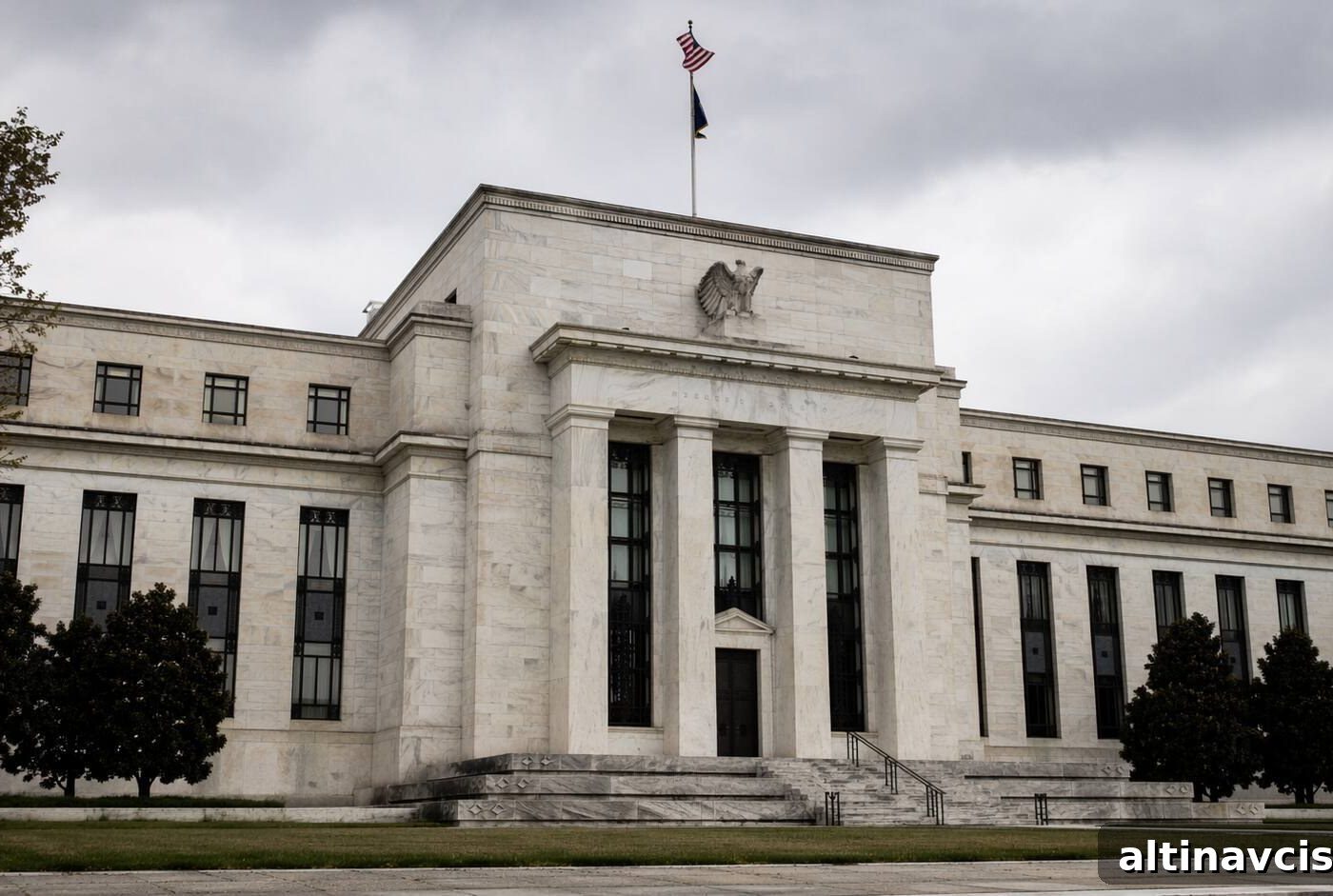
The Federal Reserve left its policy rate unchanged at 3.50%–3.75% on April 29, 2026, marking a third consecutive pause. Markets were fully priced for a hold heading into the meeting, so the decision itself carried little surprise.
The Language Is What Matters
The Fed’s statement maintained cautious language, describing inflation as still elevated and highlighting ongoing uncertainty, including geopolitical risks tied to the Middle East. Importantly for markets, there was no forward-looking signal implying imminent rate cuts. As long as inflation remains above target, the Fed is constrained from easing. Each month that the central bank stays on hold while inflation stays elevated strengthens the argument for holding physical gold and silver as portfolio insurance.
Stay On Top of Gold & Silver Prices
Receive timely market alerts and concise analysis straight to your inbox.
We send concise updates and analysis. No spam — unsubscribe anytime.
SOURCES
1. CNBC — Trump Fed Pick Kevin Warsh Clears Key Senate Hurdle
2. CBS News — Senate Banking Committee Votes to Advance Kevin Warsh’s Nomination
3. Federal Reserve — FOMC Meeting Calendars and Information
4. American Action Forum — Tracker: The Federal Reserve’s Balance Sheet Assets
5. CNBC — Warsh Emerges From Hearing With ‘Regime-Change’ Plan Intact
6. Trading Economics — Gold Price, Chart and Historical Data
7. Trading Economics — Silver Price, Chart and Historical Data
8. CNBC — Gold on Track for Worst Month Since 2008
9. Bureau of Economic Analysis — Gross Domestic Product
10. Investing.com — PCE Inflation and Q1 GDP Analysis
11. Federal Reserve Bank of Atlanta — GDPNow Forecast Model
12. Fortune — Current Price of Oil as of April 29, 2026
13. Trading Economics — Brent Crude Oil Price Data
14. CBS News — Will the Fed Cut Interest Rates? April 2026 Coverage
15. Kiplinger — April Fed Meeting: Live Updates and Commentary
16. Federal Reserve — FOMC Statement, March 18, 2026
Disclaimer: This article is informational only and does not constitute financial or investment advice. Consult a qualified financial adviser before making investment decisions.
You May Also Like:
- Why Turkey Sold Its Gold Reserves — And What It Proves About Sound Money
- Why Gold Spikes Every Time Hormuz Opens — And Why It Never Holds
- Oil Hits $100 and OPEC Is Fracturing. Gold Knows Why
- How China Restricts Silver Supply Without Touching Silver
- Powell Press Conference: What It Means for Gold
- Iran Blinked — And One Word From Powell Decides What Happens Next
- COMEX Silver First Notice Day April 30: What to Watch
- What Warsh as Fed Chair Means for the Gold Price
Popular Topics
Picked from the archive
-
01
 Topics
How Fed Pause and Rising PPI Affect Gold Prices
-
02
Topics
Gold Rebounds from Two-Week Low Ahead of Trump-Zelenskiy Summit
-
03
Topics
Shutdown Ends, Gold Price Climbs to Three-Week High
-
04
Topics
Silver Fair Value: Historical Trends and Market Data
-
05
Topics
How CPI Inflation Data Drives Gold Prices
-
06
Topics
Gold Price Could Reach USD 5,000 by 2026: Institutional Forecast
-
07
Topics
Trump’s 50% Metal Tariffs Hit Extinguishers and Auto Parts
-
08
Topics
Trump Names Tariff Architect Stephen Miran Interim Fed Governor