Trump’s 50% Metal Tariffs Hit Extinguishers and Auto Parts
Expanded 50% Steel and Aluminum Tariffs: What the Latest Move Means
The Trump administration has widened its 50% tariffs on steel and aluminum by adding 407 additional product categories, a change that took effect Monday. The expansion broadens the list of import lines subject to steep duties and reaches everyday items and intermediate goods used across multiple industries.
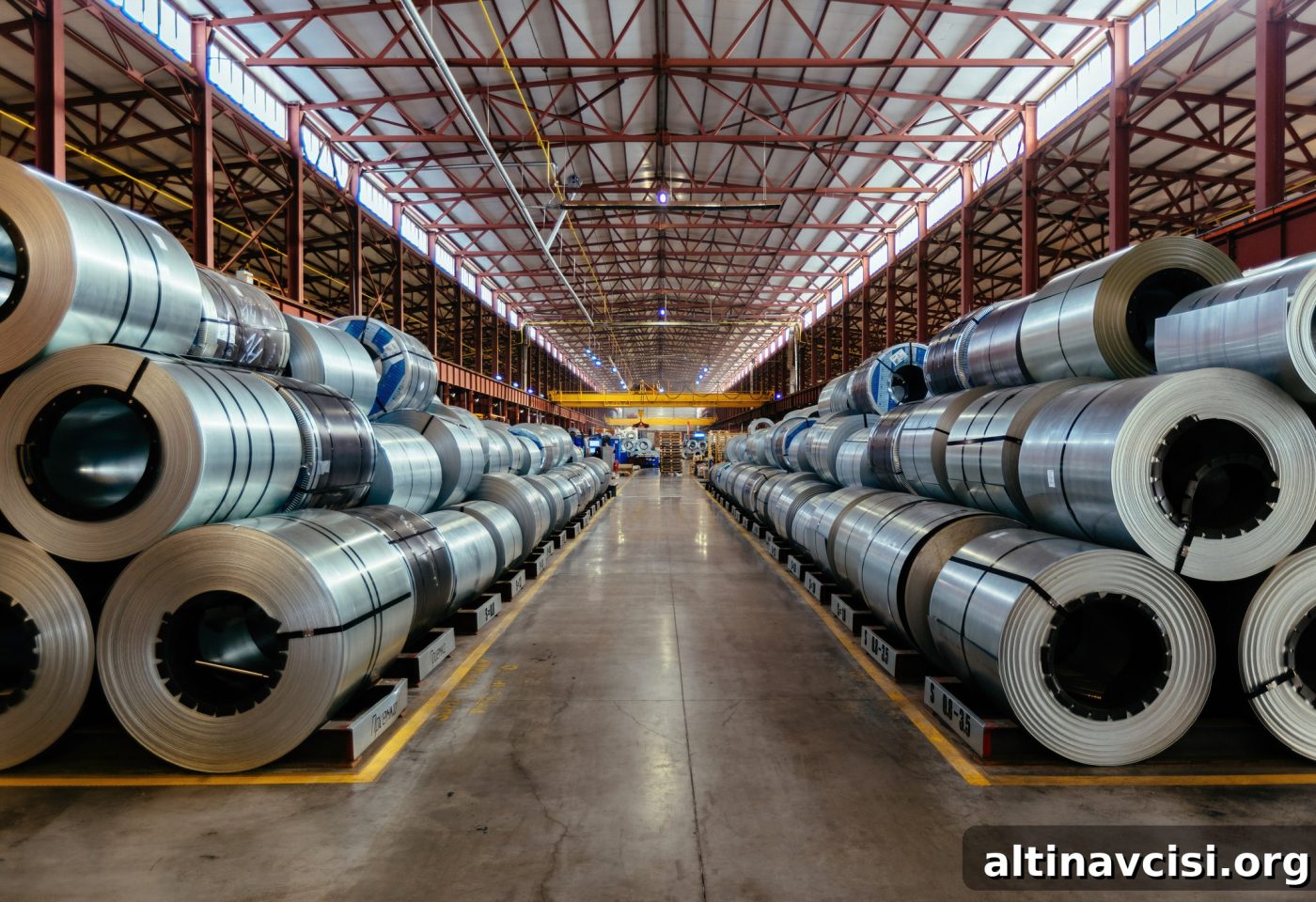
Among the newly covered products are common components and finished goods that contain steel or aluminum. Examples cited include auto parts, fire extinguishers, various types of machinery, construction materials, certain plastics with metal components, and specialty chemicals packaged or bound with metal elements. By targeting such a broad swath of products, the measure extends beyond raw metal into items integral to manufacturing, construction, transportation and safety equipment.
Analysts referenced in reporting estimate the tariffs now apply to at least $320 billion in imports, up from a previously cited figure of $190 billion. That sharp increase in the scope of affected imports highlights the policy’s expanded footprint in global trade flows and supply chains.
Potential Economic and Industry Impacts
Tariffs function as taxes on imports. When duties rise sharply—especially at a rate as high as 50%—importers, manufacturers and distributors face higher input costs. Firms confronted with those added costs typically respond in one or more of the following ways: absorbing the expense and accepting lower margins, raising prices for downstream customers, shifting to alternative suppliers or production methods, or seeking exemptions and legal remedies.
Because many of the newly listed categories serve as intermediate goods used in further manufacturing or construction, the tariffs can transmit through supply chains. For example, higher costs for metal-containing auto parts can increase production costs for vehicle manufacturers; higher prices for metal-framed construction materials can add to building costs; and pricier machinery components can affect production across many sectors. These pass-through effects are one channel through which tariffs may contribute to higher consumer prices.
Observers have pointed out that such a significant expansion could add to inflationary pressure already present in the economy. The magnitude of the effect will depend on how widely businesses pass through costs, how quickly supply chains adjust, and whether alternatives—such as domestic sourcing or supplier diversification—are viable in the short to medium term.
Supply Chain and Corporate Responses
Companies that rely on imported steel- or aluminum-containing products will reassess procurement strategies. Some possible corporate responses include negotiating new contracts, accelerating plans to nearshore or reshore manufacturing, redesigning products to use less metal or different materials, or increasing inventory to hedge against tariff volatility. Each response carries its own timeline and cost implications: supply-chain restructuring and product redesigns take time and investment, while price increases can reduce demand or spur substitution.
Smaller firms and sectors with thin margins may feel the strain most acutely, because they have less capacity to absorb costs or invest in alternative sourcing. Larger firms may be better positioned to negotiate pricing or to invest in longer-term changes, but they too will face decisions about whether to pass costs to consumers or accept narrower margins.
Trade Relations and Legal Considerations
Expanding tariffs on widely used product categories tends to raise concerns among trading partners and industries that rely on cross-border supply chains. Responses can include diplomatic engagement, requests for exemptions, or legal challenges in trade forums. Businesses and foreign governments affected by the measure may pursue administrative routes to seek exclusions for specific products or categories, or they may challenge the policy through international trade mechanisms.
How trade partners respond—whether through negotiations, reciprocal measures, or litigation—will influence both the policy’s immediate economic effects and its longer-term impact on trade relationships.
What to Watch Next
Key developments to monitor include any official guidance on exemptions, the administrative process for requesting exclusions, corporate filings that document cost impacts, and statements from industries most exposed to the newly covered categories. Market responses—such as changes in supplier contracts, shifts in import volumes, and pricing trends for affected goods—will also provide signals about the tariffs’ practical effects.
In the near term, businesses, policymakers and consumers should expect increased attention to supply-chain resilience, cost management and trade policy risk. Over time, the balance between short-term price effects and longer-term adjustments in sourcing and production will determine the broader economic consequences of the expanded tariffs.
Popular Topics
Picked from the archive
-
01
 Topics
Fed’s Logan: Rates May Stay High Amid Tariff Pressure
-
02
Topics
Silver Tops $40 as Gold Hits Record $3,500
-
03
Topics
US Gives Global Partners Five-Week Deadline for Trade Proposals
-
04
Topics
Gold to Silver Ratio: Is Silver Still Undervalued Today?
-
05
Topics
Gold Rises 2% on Russia-Ukraine Tensions, US-China Trade Rift
-
06
Topics
US Tariffs on Swiss Gold Bars Disrupt Global Supply
-
07
Topics
Serbia Repatriates USD 6B in Gold Reserves From Overseas Vaults
-
08
Topics
HSBC Raises Gold Forecasts, Warns Rally May Have Peaked