Serbia Repatriates USD 6B in Gold Reserves From Overseas Vaults
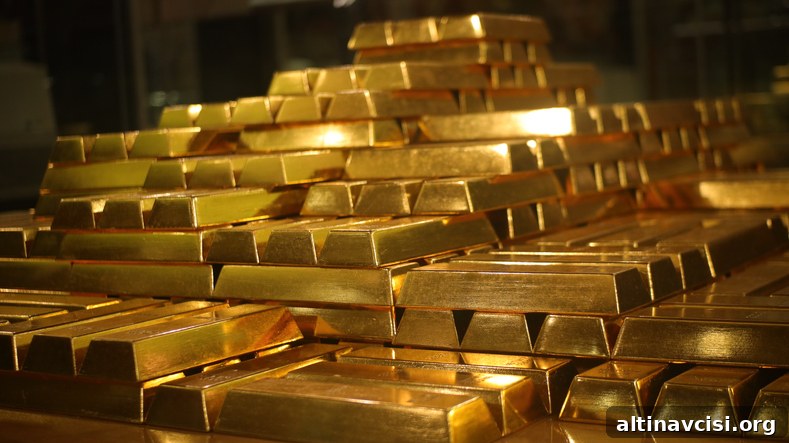
Serbia to Keep All Gold Reserves at Home
In a significant policy shift, the National Bank of Serbia has decided to store the country’s entire gold reserves within its borders rather than relying on established international bullion centers such as those in Switzerland, the United Kingdom, or the United States. The move reflects changing attitudes toward custody of strategic assets amid rising geopolitical uncertainty and a desire for direct sovereign control over reserves.
Background and Current Holdings
Since 2019, Serbia increased its gold holdings through purchases on international markets and domestic acquisitions. The central bank bought 17 tonnes internationally and acquired an additional 19 tonnes from the local unit of Zijin Mining, bringing the nation’s total to 50.5 tonnes. Those holdings are valued at roughly $6 billion at current market levels.
Repatriation of some reserves began in 2021 as officials reassessed the risks associated with holding precious metals abroad. The decision gained urgency after high-profile episodes of frozen assets elsewhere exposed the political and logistical vulnerabilities that can arise when a country’s gold is stored in foreign vaults.
Reasons for Domestic Storage
Keeping gold on domestic soil offers several clear advantages. Foremost is sovereign control: immediate access to and direct oversight of reserves can provide greater confidence during periods of diplomatic tension or financial market stress. Local storage reduces the risk that foreign political decisions or sanctions could restrict access to a nation’s assets.
Domestic custody can also strengthen public confidence in the central bank’s stewardship of national wealth. When reserves are visible and managed at home, governments can more easily demonstrate accountability to citizens and legislators, which can be particularly important in countries prioritizing financial independence and stability.
Trade-offs and Operational Considerations
While domestic storage increases control and can improve perceived security, the National Bank of Serbia acknowledges trade-offs. International bullion centers offer deep liquidity and streamlined mechanisms for lending, swapping, or selling metal quickly in global markets. Established vaults and custody arrangements in financial hubs are designed to facilitate prompt transactions, often with lower transaction friction.
By consolidating gold at home, Serbia’s central bank will need to ensure robust storage infrastructure, professional security arrangements, and clear, internationally recognized auditing procedures to preserve market confidence. These operational needs include secure transport, insured custody, and transparent reporting so that reserves remain credible as an element of the country’s balance-sheet stability.
Current Status and Next Steps
Most of Serbia’s gold has already been repatriated, and only a small portion of the reserves remains in foreign custody. According to the central bank’s governor, the final five tonnes currently held in Switzerland will be returned “as soon as possible.” The bank has signaled a commitment to completing the move while balancing logistical considerations and optimal timing to minimize market disruption.
Moving forward, the National Bank of Serbia will need to maintain clear communication about storage standards, valuation methods, and contingency plans for liquidity. Ensuring internationally recognized auditing and certification of the domestic vaults will help preserve the reserves’ credibility and make it feasible to support monetary policy objectives without relying on foreign storage facilities.
Implications for Policy and Markets
This policy change is part of a broader trend among some central banks to reassess reserve management in light of geopolitical risk. For Serbia, repatriating gold can be seen as an assertion of financial sovereignty and a precautionary step to safeguard national assets. For markets, the decision highlights the tension between the convenience of global custody and the security of domestic control.
As Serbia completes the repatriation process, observers will watch how the National Bank balances the benefits of local storage with the need to retain flexibility in managing reserves—particularly when liquidity or rapid access to international markets is required.
Popular Topics
Picked from the archive
-
01
 Topics
Silver Prices Jump 35% YTD as Rally Accelerates
-
02
Topics
David Einhorn: Why Gold Prices Keep Rising – Not Inflation
-
03
Topics
Survey Predicts Silver Price Could Reach $41 Despite Volatility
-
04
Topics
US-EU Deal Sets 15% Tariffs; China Truce to Continue
-
05
Topics
Wall Street Reacts to Inflation, Earnings and Trade Policy
-
06
Topics
Gold Drops 1.5% After Fed Holds Rates Steady
-
07
Topics
Fed Rate-Cut Bets Lift Gold as Silver Tops 13-Year High
-
08
Topics
Gold Price Jumps 1% as Investors Seek Safe-Haven Assets