Central Banks Pause Rate Cuts Amid Inflation and Tariffs

Central Banks Hold Back on Rate Cuts as Monetary-Stimulus Cycles Wind Down
Central banks around the world are increasingly reluctant to move forward with additional rate cuts as many appear to be approaching the end of their monetary-stimulus cycles. After a prolonged period of accommodative policy intended to support growth and stabilize financial markets, policymakers are balancing competing priorities: sustaining recovery, containing inflation, and preserving financial stability. This balancing act has become more complex in the face of persistent inflationary pressure, rising trade-war tariffs, and heightened political uncertainty.
Persistent inflation is one of the main reasons central banks are taking a more cautious stance. Even when headline inflation moderates in some regions, underlying price pressures can remain elevated, especially in services and shelter components. Central banks that have responsibilities for price stability are sensitive to signs that inflation may be sticking at levels above their stated targets. Reducing interest rates prematurely risks unanchoring inflation expectations and could lead to a harder-to-control rise in consumer prices, undermining the credibility of monetary policy.
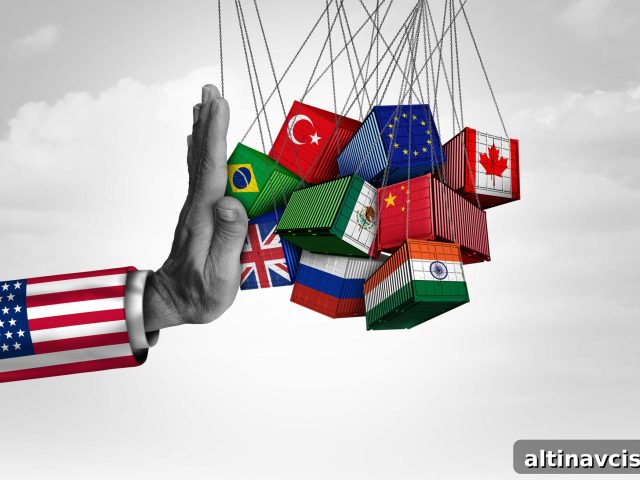
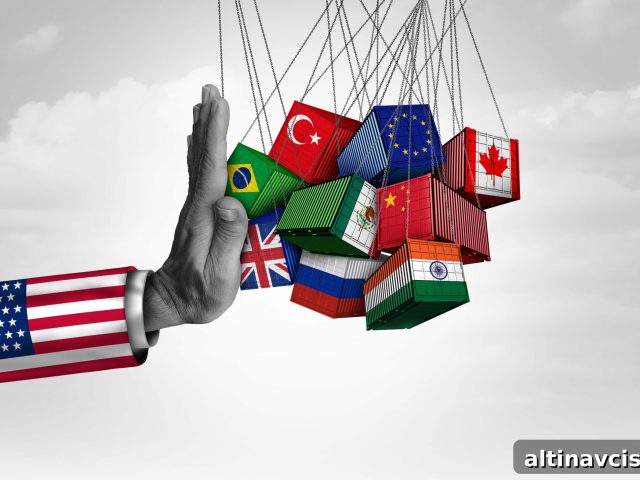
Another important factor is the impact of rising trade-war tariffs and broader trade tensions. Tariffs can raise costs for businesses and consumers, feeding through to higher prices and slower investment. Uncertainty about future trade rules also complicates business planning and can reduce the potency of monetary stimulus: if firms expect higher input costs or disrupted supply chains, they may be less likely to increase investment in response to lower rates. Central banks must therefore evaluate not only domestic data but also international developments that can transmit inflationary or disinflationary shocks across borders.
Political pressure has added a further layer of complexity. Public statements by political leaders about central bank actions or personnel can create uncertainty about central-bank independence. In some markets, repeated public comments questioning the central bank’s leadership or suggesting intervention in policy decisions have drawn attention to the risks of politicizing monetary policy. Even the perception of political interference can unsettle markets, complicate forward guidance, and make it harder for policymakers to deliver a consistent and credible message to households and firms.
With policy cycles maturing, central banks also have a narrower margin for maneuver. Many institutions have already used significant conventional and unconventional tools—cutting policy rates to low levels, expanding balance sheets, and deploying targeted liquidity facilities. As rates approach effective lower bounds in some jurisdictions, the incremental impact of further cuts diminishes, and central banks increasingly rely on communication, macroprudential tools, and balance-sheet adjustments to support the economy. That shift requires careful calibration and clear messaging, since markets and the public must understand the limits and goals of each instrument.
In practice, the current stance translates into a more data-dependent and gradual approach. Policymakers are emphasizing incoming economic indicators—employment, wage growth, inflation measures, and business investment—rather than committing to pre-set paths for policy easing. Forward guidance has become more conditional, and central banks are signaling readiness to act if downside risks materialize while stressing the need to avoid reigniting inflation. This conditionality aims to preserve flexibility without creating market expectations that could prove destabilizing.
The consequences of a slower pace of rate cuts are mixed. On the positive side, it helps maintain central-bank credibility on inflation and reduces the risk of overheating in asset markets. On the downside, it may prolong higher borrowing costs for households and businesses, potentially weighing on consumption and investment and slowing growth in the near term. In this environment, fiscal policy and structural reforms can play a complementary role in supporting demand and addressing longer-term productivity challenges.
Looking ahead, the outlook for policy will hinge on how inflation dynamics evolve, whether trade tensions escalate or ease, and how political developments affect governance norms. For now, central banks appear intent on preserving optionality: monitoring data closely, avoiding hasty rate cuts, and using communication to manage expectations. That cautious stance reflects the complex trade-offs policymakers must navigate as they move toward the next phase of the monetary cycle.
Popular Topics
Picked from the archive
-
01
 Topics
ECB Reaches 2% Inflation Target in June as Eurozone Prices Hold
-
02
Topics
Trump Threatens EU With 250% Tariffs on Pharmaceuticals
-
03
Topics
Trump Threatens 10-15% Tariffs on Over 150 Countries
-
04
Topics
Trump’s 50% Tariff Threat Sparks Stock Market Turmoil
-
05
Topics
Record Trade Deficit Pushes US GDP Down 0.2%
-
06
Topics
Why Gold Is Defying Market Signals in 2025
-
07
Topics
Why Bond Experts Draw Parallels Between Today’s Fed and the 1930s
-
08
Topics
How He Lifeng Is Rewriting China’s Playbook to Counter Trump