
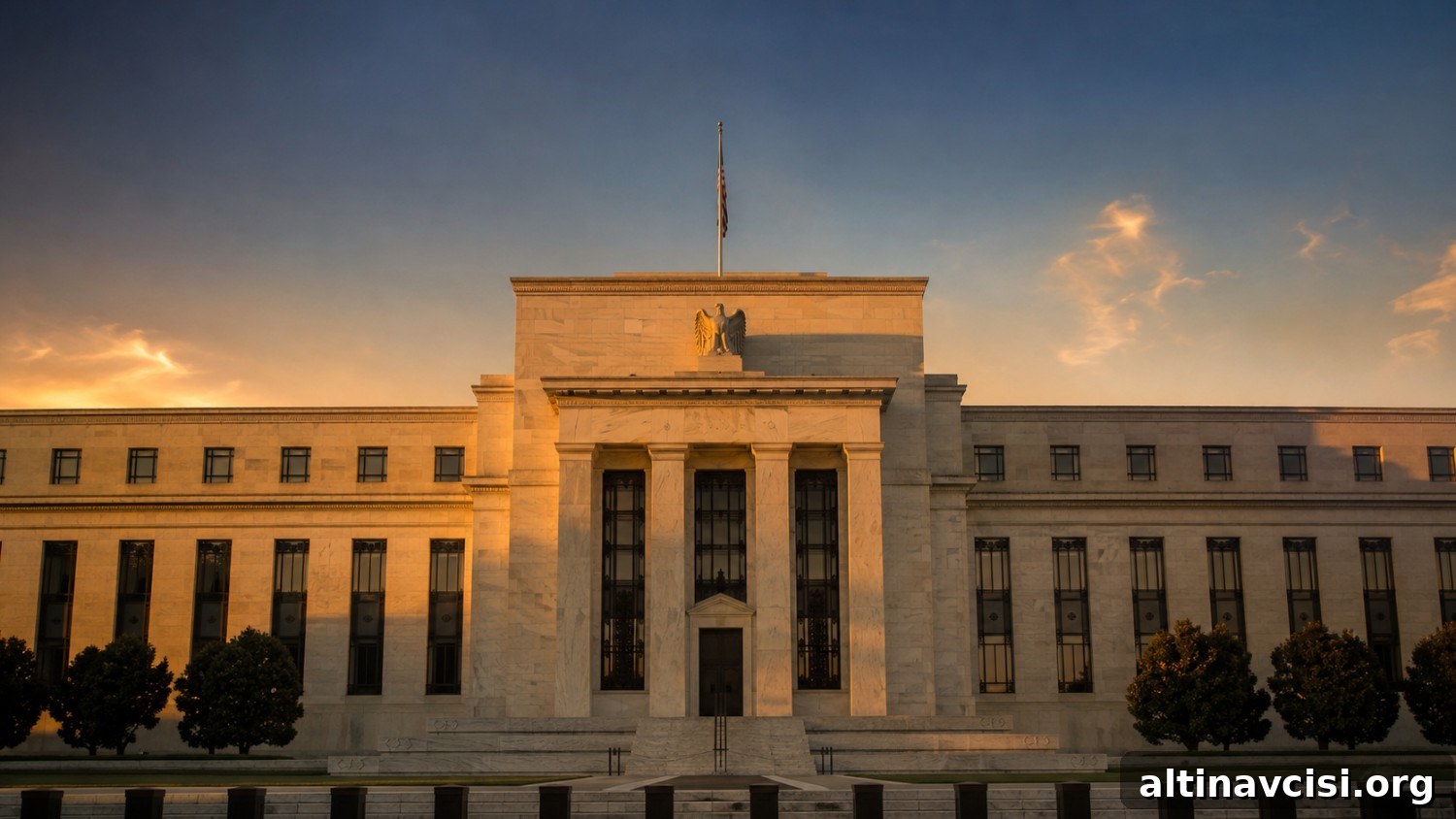
Gold climbed above $4,600 this morning for the first time since May, while silver remains near $69. But the headline numbers only tell part of the story. The market is focused on what comes Friday. Treasury yields fell again today, the dollar trades near a three-month low, and both moves trace back to one catalyst: Fed Chair Kevin Warsh’s first Jackson Hole keynote. Below are five interconnected threads shaping the market into Friday morning.
Why Did Treasury Yields Fall Again Today?
The 10-year Treasury yield eased about 2 basis points to 4.71% on Monday, and the 30-year backing off a similar amount to roughly 5.25%. These moves did not stem from fresh economic releases. Instead, traders are repositioning ahead of Chair Warsh’s Friday address, partially reversing last Friday’s rise in yields. When yields fall, the opportunity cost of holding non-yielding assets like gold declines, and bullion often benefits quickly from that shift. In this case, the pre-event de-risking shows how positioning and expectations can move gold’s cost-of-carry independently of headline economic data.
The Edge Every Investor Needs
Smarter precious metals investing starts here. The Nuggets Newsletter delivers focused market insights, Fed updates, global trends, and educational content to help you stay informed.
Is the Dollar’s Slide the Real Story Behind Gold’s Rally?
The U.S. dollar index sits near 98.8, close to a three-month low. Market desks generally view a softer dollar as the dominant tailwind for this month’s metals rally. A weaker dollar reduces local-currency prices of gold for overseas buyers, effectively expanding demand without any immediate change to the metal’s supply fundamentals. Paired with falling Treasury yields, these two forces—cheaper foreign buying power and lower opportunity cost—create a supportive backdrop for gold. That combination helps explain why bullion has advanced even while long-term yields remain elevated by historical standards.
What Data Lands Before Warsh Speaks?
Important U.S. data arrives on Wednesday: core PCE inflation and the second-quarter GDP revision. Both come two days ahead of Warsh’s keynote. Consensus expects core PCE to show 0.2% month-over-month; a 0.3% print or higher would materially raise odds of additional Fed tightening in September. The GDP second estimate could swing either way depending on revisions to trade and inventory data—the advance estimate showed growth slowing to a 1.5% annualized pace. That genuine uncertainty amplifies the market’s interest in Warsh’s remarks, because the speech could meaningfully influence expectations heading into the September policy meeting.
Why Does Warsh’s First Jackson Hole Speech Carry So Much Weight?
Warsh will deliver his first Jackson Hole keynote on Friday at the Kansas City Fed symposium, with the address expected late morning Eastern Time. With only nineteen days between that speech and the September 16 policy decision, markets are eager for any early clues about his policy stance. Unlike a chair with an established track record, Warsh has no prior pattern as Fed chair to anchor market expectations. That lack of precedent elevates the informational value of his speech. Surveys of professional investors show a range of expectations—many anticipate a neutral, broad-perspective tone, while a sizable minority looks for more hawkish or dovish cues—so the speech is a true market event rather than a routine talk.
What Happens to Gold If Warsh Surprises Either Way?
The outcome is genuinely two-sided. If Warsh’s tone is neutral, as many expect, markets would likely stay on their current trajectory and bullion prices may hold steady. A clearly hawkish message would push yields and the dollar higher, increasing the cost-of-carry for gold and applying downward pressure on prices. Conversely, a dovish surprise would likely drive yields and the dollar lower, extending the bullish setup that has supported gold and silver this month. Either kind of surprise would also create complications for Treasury financing: persistent long-end yields that don’t respond to buybacks would highlight the limits of fiscal operations alone to manage borrowing costs without coordination from the Fed.
Beyond the immediate market reaction, a broader structural point remains: when a government implicitly relies on central bank posture to help manage its borrowing costs, that dynamic strengthens the logic for investors to consider stores of value outside the domestic currency system. Whether that motivates long-term allocation changes or near-term trading depends on individual risk tolerance, but it underscores why central-bank signals matter for precious metals beyond short-term volatility.
Stay On Top of Gold & Silver Prices
Get timely market alerts and insights delivered to your inbox.
SOURCES
1. CNBC — coverage of Treasury moves and Jackson Hole reaction, Aug. 24, 2026.
2. CoinDesk — preview of Jackson Hole and related market events, Aug. 24, 2026.
3. Yahoo Finance — reports on gold and silver prices on Aug. 24, 2026.
4. Babypips — fundamental calendar and event commentary for the week of Aug. 24–28, 2026.
5. MNI Markets — scheduling details for the Jackson Hole keynote.
6. Investing.com — market commentary on bullion demand and Treasury moves.
7. Gold and silver spot price feeds and price charts.
Disclaimer: This article is for informational purposes only and does not constitute investment advice. Past performance is not indicative of future results. Consult a qualified financial advisor before making investment decisions.
You May Also Like:
- Gold Hits 3-Month High as Oil Falls Ahead of Key Sanctions Announcement
- Gold’s Speculative Crowd Reaches a Multi-Week High Despite Limited Buying
- Gold and Silver Rally: How a Weaker Dollar and Treasury Moves Connect the Move
- National Debt Milestones and Shifts in Institutional Gold Sentiment
- When Gold Falls and Silver Rises on the Same Report: The Underlying Mechanism
- Geopolitical Shocks and Precious Metals: Why Gold Often Reacts Subtly