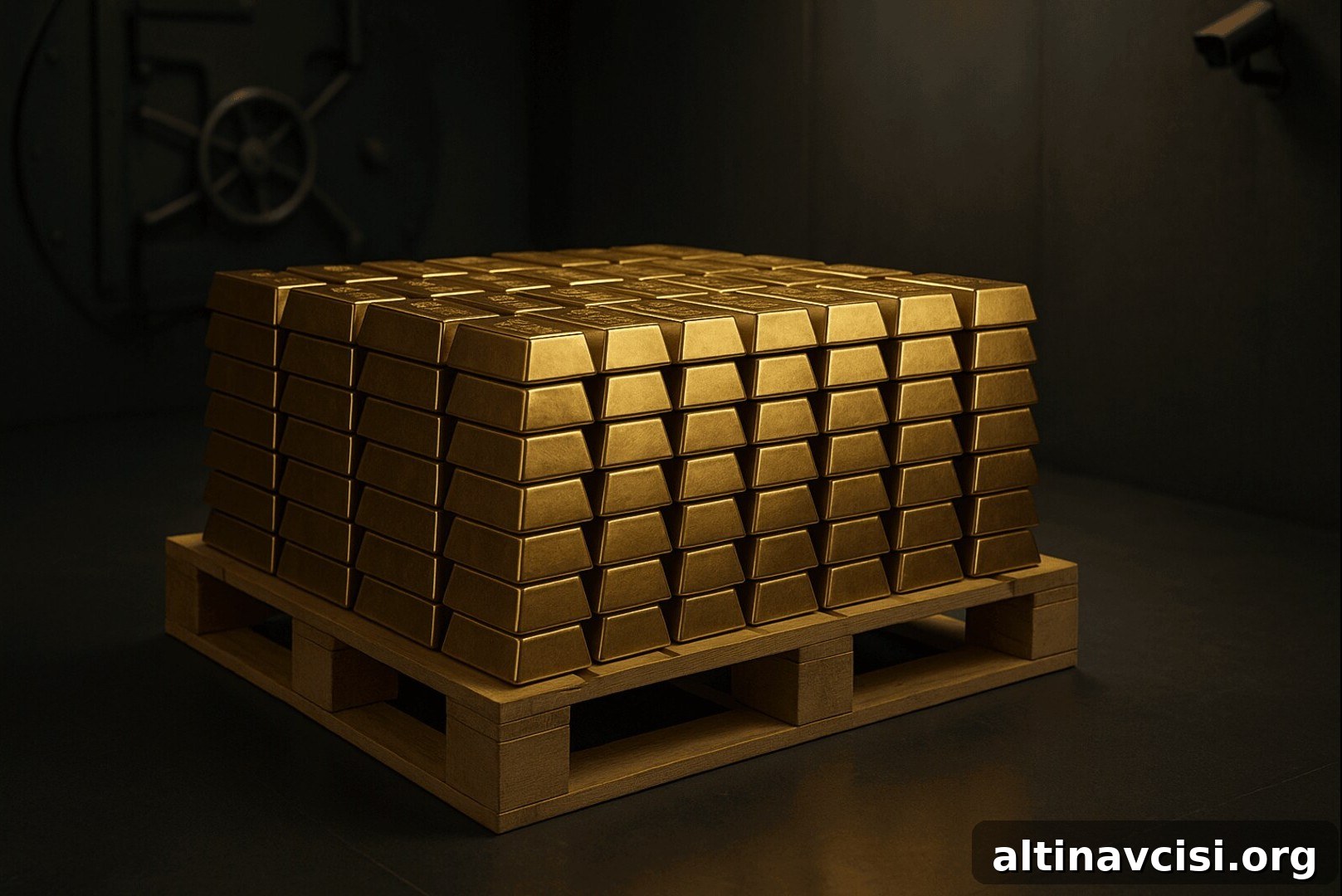
Over the past few years, a significant shift has been quietly taking place in the global gold market. Central bank gold purchases have risen to historic levels, reshaping how nations view and value monetary assets.
Today, central banks — not hedge funds or retail investors — are the largest incremental buyers of gold. This is not a short-term speculative trend but a structural realignment that could establish a new long-term support level for the metal.
Why Central Banks Are Buying Gold—Again
Since 2018, global central bank gold demand has climbed to its highest point in decades. The motive goes beyond simple diversification: it is about preserving financial sovereignty and resilience.
When several governments froze Russia’s foreign reserves in 2022, policymakers worldwide took notice. Reserves that can be restricted electronically aren’t fully under a nation’s control.
Gold is different. It carries no counterparty risk, cannot be created by a central bank ledger entry, and is difficult to sanction or freeze. That reality has pushed countries such as China, India, Turkey, Poland, and Singapore to increase their gold holdings. In 2023 and 2024 alone, central banks added more than 1,000 tonnes, a modern record according to data collected by industry analysts.
Central Banks Have Been Net Buyers For 15 Consecutive Years
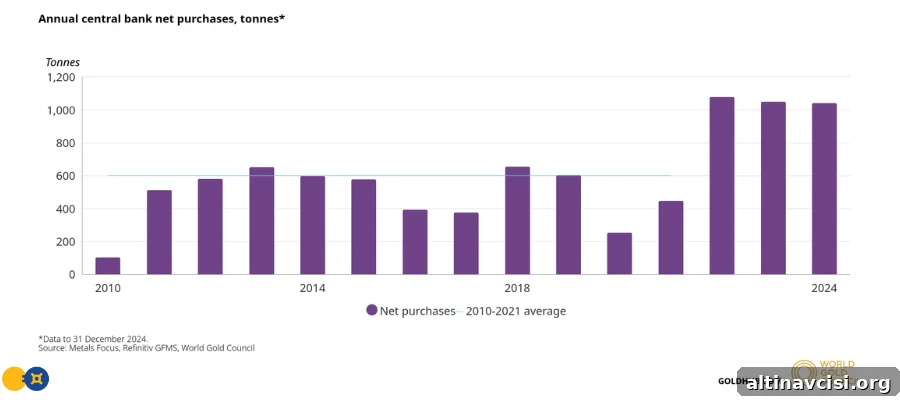
As the chart illustrates, global central bank accumulation has surged well above the 2010–2021 average and remained at historically elevated levels. That persistent, institutional demand is changing gold’s long-term supply-and-demand balance.
Investing in Physical Metals Made Easy
The East Is Leading a Monetary Shift
The surge in central bank gold buying also signals a broader geopolitical and monetary shift from West to East. While many Western economies continue to rely on the dollar-based system, BRICS and other emerging economies are actively exploring alternatives.
Gold plays an important role in that transition.
China has reported extended months of accumulation, and countries like Turkey and Kazakhstan have adjusted their reserves to reduce dependence on the dollar. In many respects, this moment echoes the post–World War II restructuring of monetary systems — but this time, emerging markets are driving the trend toward larger official gold reserves.
A Structural Price Floor for Gold
Central banks buy gold differently than private investors. Their approach is deliberate and long-term: they accumulate and hold rather than trade frequently. That behavior makes their purchases relatively insensitive to short-term price swings.
This steady, large-scale demand creates a structural price floor, providing a stabilizing force that supports gold during periods of market volatility. With central banks acting as consistent buyers, gold gains an institutional backstop beneath its market price.
As speculative and investment flows fluctuate, central banks have effectively become the “strong hands” in the market, quietly underpinning gold’s value.
The Takeaway: Follow the Real Money
For investors wondering who is buying gold, the answer is instructive: central banks. When institutions charged with preserving monetary stability convert paper assets into physical metal, it signals a meaningful realignment in the international financial system.
Gold is no longer only an inflation hedge; it is re-emerging as a core reserve asset and a foundation of trust in a world where currencies are increasingly subject to political influence.
As central banks continue to build reserves, individual investors may consider following that example by allocating a portion of their portfolios to physical precious metals.
Get Gold & Silver Insights Direct to Your Inbox
Join thousands of investors who receive expert analysis, market updates, and exclusive offers every week.
People Also Ask
Why are central banks buying so much gold right now?
Central banks are expanding gold reserves to reduce reliance on the U.S. dollar, guard against sanctions and financial instability, and hedge against inflation. Gold offers security without counterparty risk and cannot be electronically frozen or created by policy decisions.
Which countries are leading in central bank gold buying?
China, Turkey, India, and Poland are among the most active buyers, with several countries reporting sustained accumulation. These nations treat gold as a strategic reserve asset and a hedge against currency volatility.
How does central bank gold buying affect the gold price?
Persistent central bank demand helps create a structural price floor for gold. Because their purchases are long-term and relatively price-insensitive, central banks reduce volatility and provide ongoing support for gold’s value.
What does central bank gold buying mean for the U.S. dollar?
As more countries diversify away from the dollar and increase holdings of gold, global demand for U.S. currency and debt may gradually shift. This de-dollarization trend could enhance gold’s role as a neutral global reserve asset.
Is now a good time for investors to buy gold like central banks?
With central banks growing their reserves and inflation remaining a concern in many regions, many investors are considering physical gold and silver to diversify and protect wealth from systemic risks.

GoldSilver: Investing in Physical Metals Made Easy
GoldSilver provides options to buy, sell, store, and take delivery of physical precious metals, giving investors direct control over their holdings.
Open an Account