Fed Holds Rates Steady as Officials Await Tariff Impact
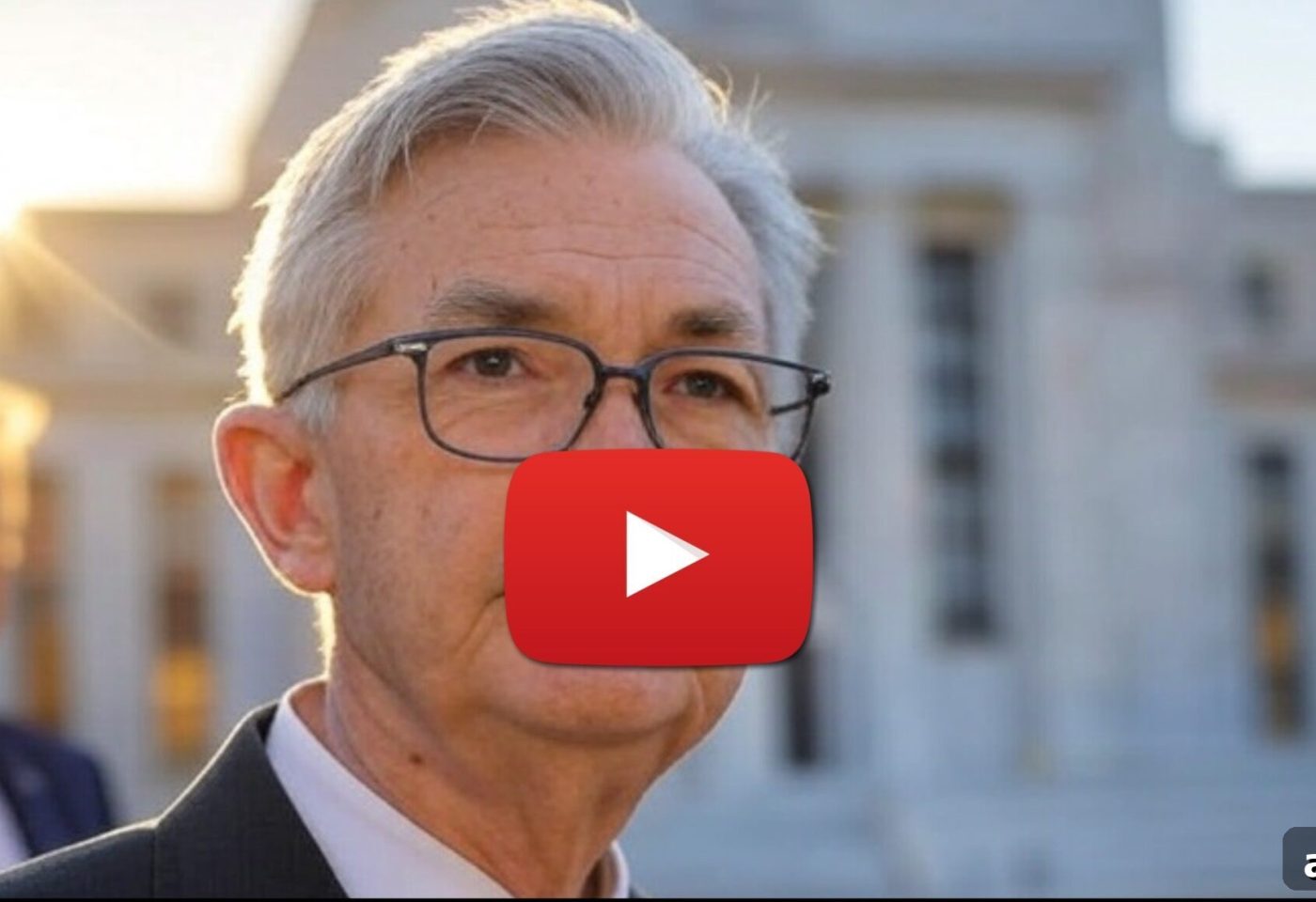
Federal Reserve Holds Steady While Assessing Tariff Impact on Inflation and Rates
The Federal Reserve is keeping monetary policy unchanged as it evaluates the economic consequences of recent tariff actions, Minneapolis Fed President Neel Kashkari said. Speaking at an event in Wisconsin, Kashkari described recent inflation readings as “quite positive,” noting that the Fed’s preferred inflation measure fell to 2.1% in April. Even so, he stressed the need for more time to determine how tariffs will feed through to consumer prices before any change to interest rates.
Why the Fed Is Exercising Caution
Kashkari’s comments reflect a careful, data-dependent approach. While a single month of encouraging inflation numbers provides useful information, tariffs can alter price dynamics in ways that take time to appear in aggregate measures. Tariffs may increase import prices, raise costs for businesses that rely on foreign inputs, and eventually push some consumer prices higher. The Fed wants to understand the extent and persistence of those effects before making a commitment to lower borrowing costs.
That caution is consistent with remarks by Fed Chair Jerome Powell, who recently told Congress there is no urgency to cut interest rates. The central bank is balancing encouraging signs on inflation against the risk of renewed price pressures stemming from trade policy and other factors. In that context, officials are signaling that patience remains warranted until the full picture is clear.
Division Among Policymakers and Forecasts
Fed officials are not unified about the timing of potential rate reductions. Some policymakers believe the data will support cuts this year, while others prefer to wait for more definitive evidence that inflation is sustainably returning to target. Official projections have reflected this uncertainty: despite the recent improvement in inflation, some forecasts still show inflation possibly rising back toward 3% by the end of the year.
That split in views highlights the challenge facing the Fed. If inflation were to rebound, the central bank could face pressure to maintain higher policy rates for longer. Conversely, if disinflation continues, officials may feel more comfortable loosening policy to support growth. The Fed’s approach therefore remains conditional on incoming data and on how factors like tariffs influence both prices and broader economic activity.
Implications for Markets and Consumers
For markets and households, the Fed’s steady stance and emphasis on caution mean that interest rate expectations could remain volatile. Investors will likely continue to watch inflation releases, employment reports, and any new details about trade measures for signs of how quickly price pressures might change. For consumers, the immediate outlook is mixed: recent inflation moderation is welcome, but potential tariff-driven price increases remain a risk that could affect the cost of goods over time.
Looking Ahead
In the weeks and months ahead, the Fed will monitor a broad set of indicators to determine whether recent progress on inflation is durable and how tariff-related developments are influencing prices. Kashkari’s message — that policymakers need time to assess the full economic impact before moving on interest rates — underscores a cautious, deliberate stance designed to avoid premature policy shifts that could complicate the recovery or allow inflation to reaccelerate.
Ultimately, the central bank’s decisions will hinge on evolving data. Until that picture becomes clearer, the Fed is prepared to hold policy steady to manage risks and preserve flexibility in its response to future economic developments.
Popular Topics
Picked from the archive
-
01
 Topics
Gold Prices Jump Near Record as Middle East Conflict Escalates
-
02
Topics
Gold Slips as US-China Trade Tensions Ease, Investors Eye Data
-
03
Topics
Trump’s Fed Attacks Raise European Alarm Over $245B US Gold
-
04
Topics
Gold Falls Below $3,300 as US-China Trade Hopes Rise
-
05
Topics
Oil Price Tops $65 as US-China Trade Talks Lift Markets
-
06
Topics
401(k) to Gold IRA Rollover: Secure Your Retirement with Gold
-
07
Topics
Fed’s Bowman and Waller Support Possible July Rate Cut
-
08
Topics
Gold Hits 70th Record High as Central Banks Dump Dollar Reserves