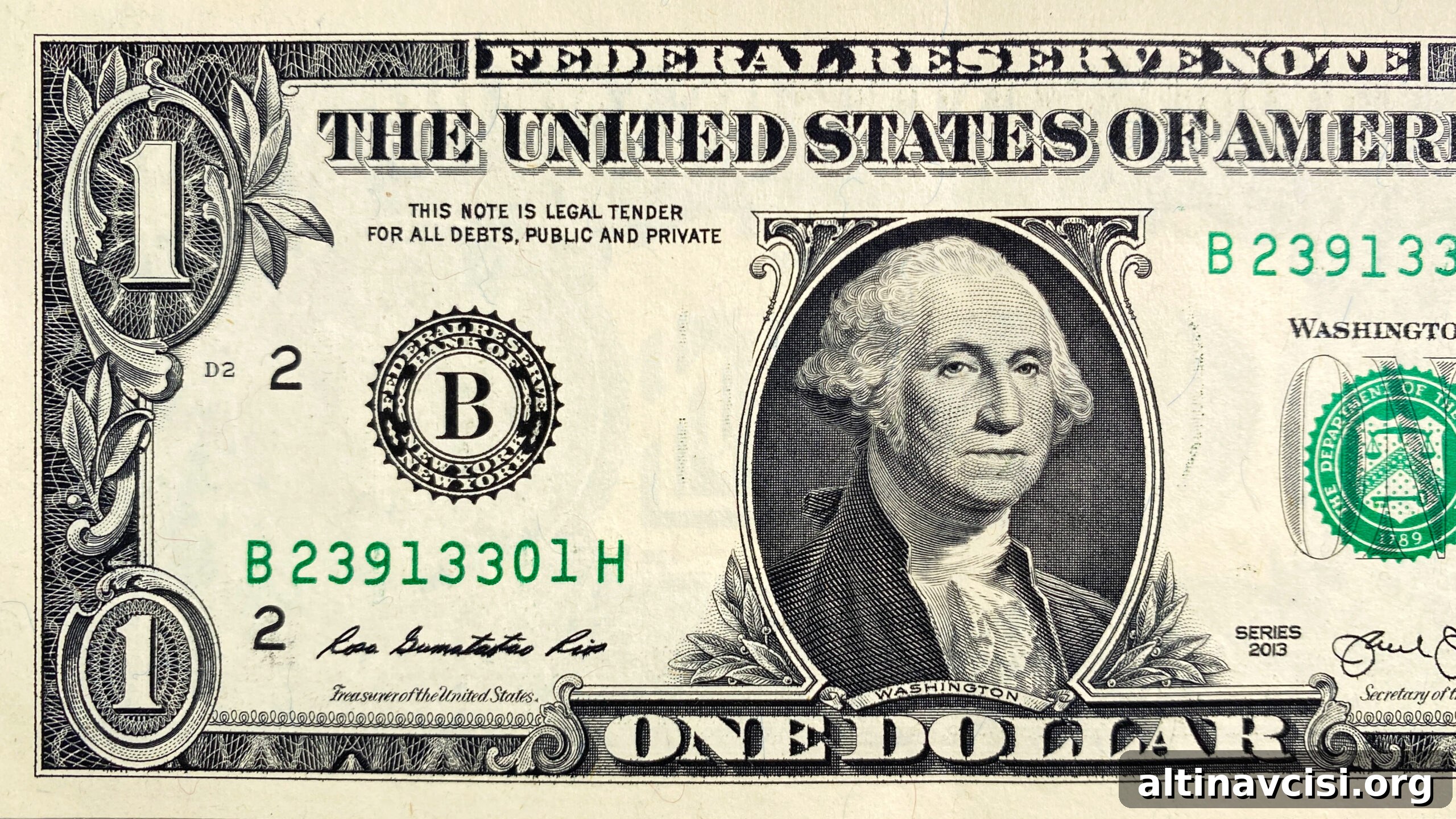
After a rally sparked by stronger-than-expected U.S. employment figures, the dollar eased on Monday as market attention shifted to high-stakes trade negotiations between the United States and China taking place in London.
The talks aim to resolve outstanding issues from last month’s Geneva agreement. Both economies face mounting pressures: China is coping with intensifying deflation, as factory-gate prices sit at two-year lows and export growth slows, while American businesses and consumers confront ongoing trade uncertainty.
On currency markets, the dollar fell 0.46% against the yen to 144.16. The euro strengthened 0.2% to $1.1418, and sterling gained 0.3% to $1.3558.
Investors are also focusing on the upcoming U.S. inflation report for May to assess how tariffs and trade developments are influencing price trends. The Federal Reserve is widely expected to remain cautious and maintain a patient stance on interest rates as policymakers weigh incoming data.
Market participants view the London talks as pivotal for near-term sentiment. Progress could ease uncertainty that has weighed on global trade flows and corporate planning, while any setbacks would likely intensify volatility across equities, commodities and foreign exchange markets. Analysts note that clear, enforceable outcomes from these negotiations would be important for restoring confidence among exporters and supply-chain managers.
China’s domestic picture contributes to the stakes. Persistent or worsening deflation can depress corporate margins and consumer spending, complicating Beijing’s policy choices. Policymakers may face pressure to stimulate demand, which could include fiscal measures or targeted financial support for troubled sectors. Meanwhile, slowing export momentum underscores the importance of restoring smoother commercial relations with key partners.
For the United States, businesses seeking predictable rules of engagement and tariff clarity stand to benefit directly from a constructive outcome. Consumers may also feel indirect effects through prices on imported goods and intermediary inputs that affect production costs. As a result, traders and economists are closely parsing comments from negotiators and any interim statements released during the talks.
In currency and bond markets, participants will watch for shifts in risk sentiment. A move toward détente could bolster risk assets and weigh on safe-haven demand for the dollar and yen, while renewed tensions might push investors back into defensive positions. Ultimately, upcoming economic releases — notably the U.S. inflation reading — together with negotiation developments in London, will shape market direction in the days ahead.