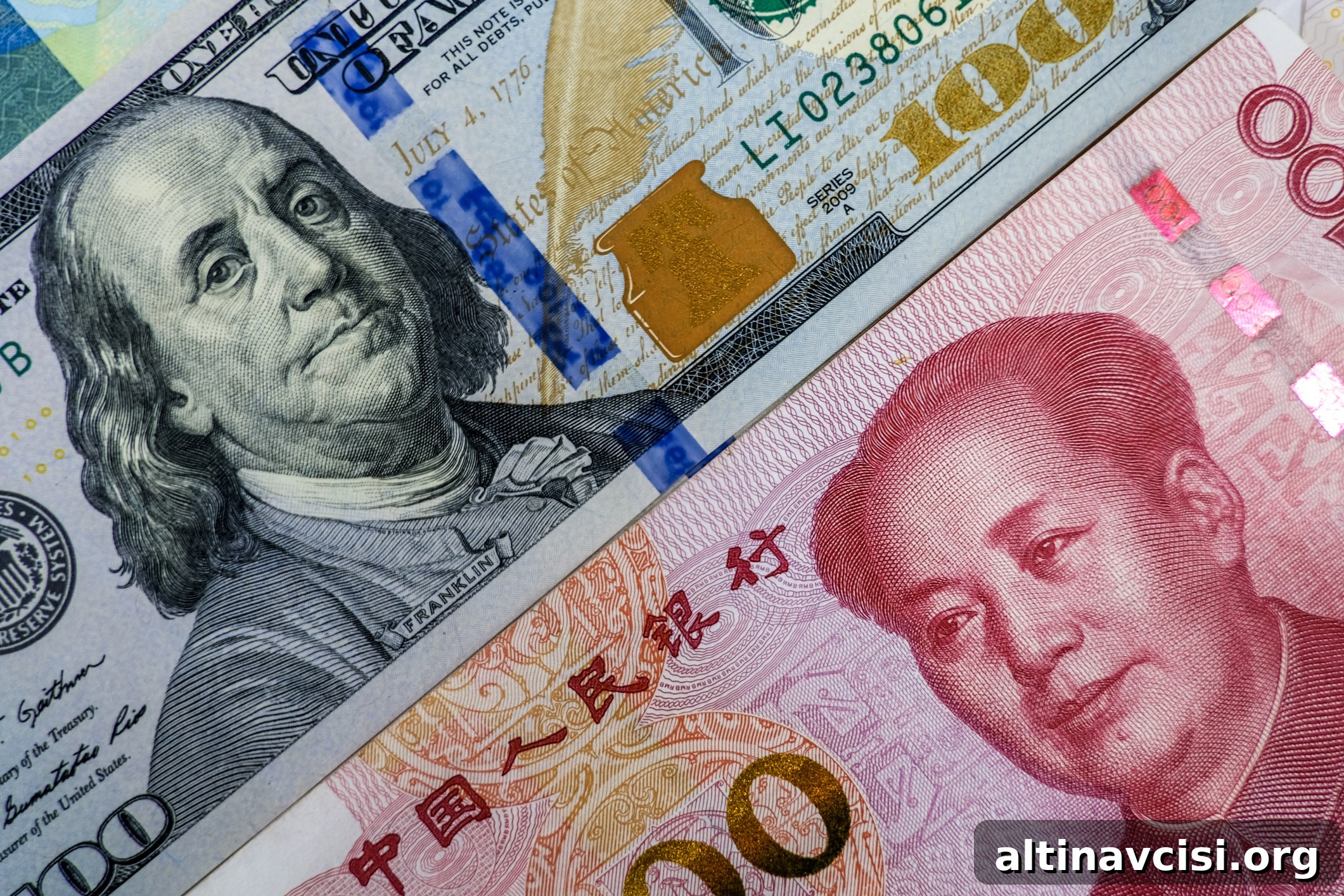
Oil markets rebounded this week after two consecutive weeks of losses, driven by renewed trade discussions between the U.S. and China. A productive phone call between Presidents Trump and Xi lifted hopes for a potential trade agreement, boosting optimism about future oil demand. For the week, Brent crude gained 2.2% while WTI climbed 4.1%. Canada’s return to trade talks with the U.S. also contributed to positive sentiment. Together, these developments point to a cautiously improved economic outlook that could influence commodity investors and global growth projections.
The oil-price recovery, however, remains volatile as markets react to ongoing tariff negotiations and fresh data highlighting the global effects of U.S. trade policies. Uncertainty over levies and trade terms continues to weigh on broader economic sentiment and demand expectations.
Analysts at BMI, a Fitch affiliate, warned on Friday that geopolitical risks could push prices higher. They highlighted the potential for increased U.S. sanctions on Venezuela and the possibility of an Israeli strike targeting Iranian infrastructure as upside risks for oil. At the same time, they noted that weakening demand and rising output from both OPEC+ and non-OPEC producers could add downward pressure in the months ahead.
Meanwhile, top oil exporter Saudi Arabia trimmed July crude prices for Asian buyers to near two-month lows. The reduction was smaller than some analysts had expected but followed OPEC+’s decision to raise production by 411,000 barrels per day. That move reflects Saudi Arabia’s broader strategy to regain market share while maintaining output discipline within OPEC+—including coordination with Russia. These supply-side actions, combined with shifting global demand, mean the recent price rebound will likely face competing pressures.
In summary, short-term gains in oil prices have been supported by improved trade sentiment between major economies and a thaw in negotiations. Yet a mix of geopolitical uncertainty, policy shifts, and offsetting increases in production keeps the market outlook uncertain. Traders and analysts will be watching incoming demand data, OPEC+ decisions and geopolitical developments closely to gauge whether the rebound can be sustained.
Investing in Physical Metals Made Easy
Get Gold & Silver Insights Direct to Your Inbox
Join thousands of smart investors who receive expert analysis, market updates, and exclusive deals every week.