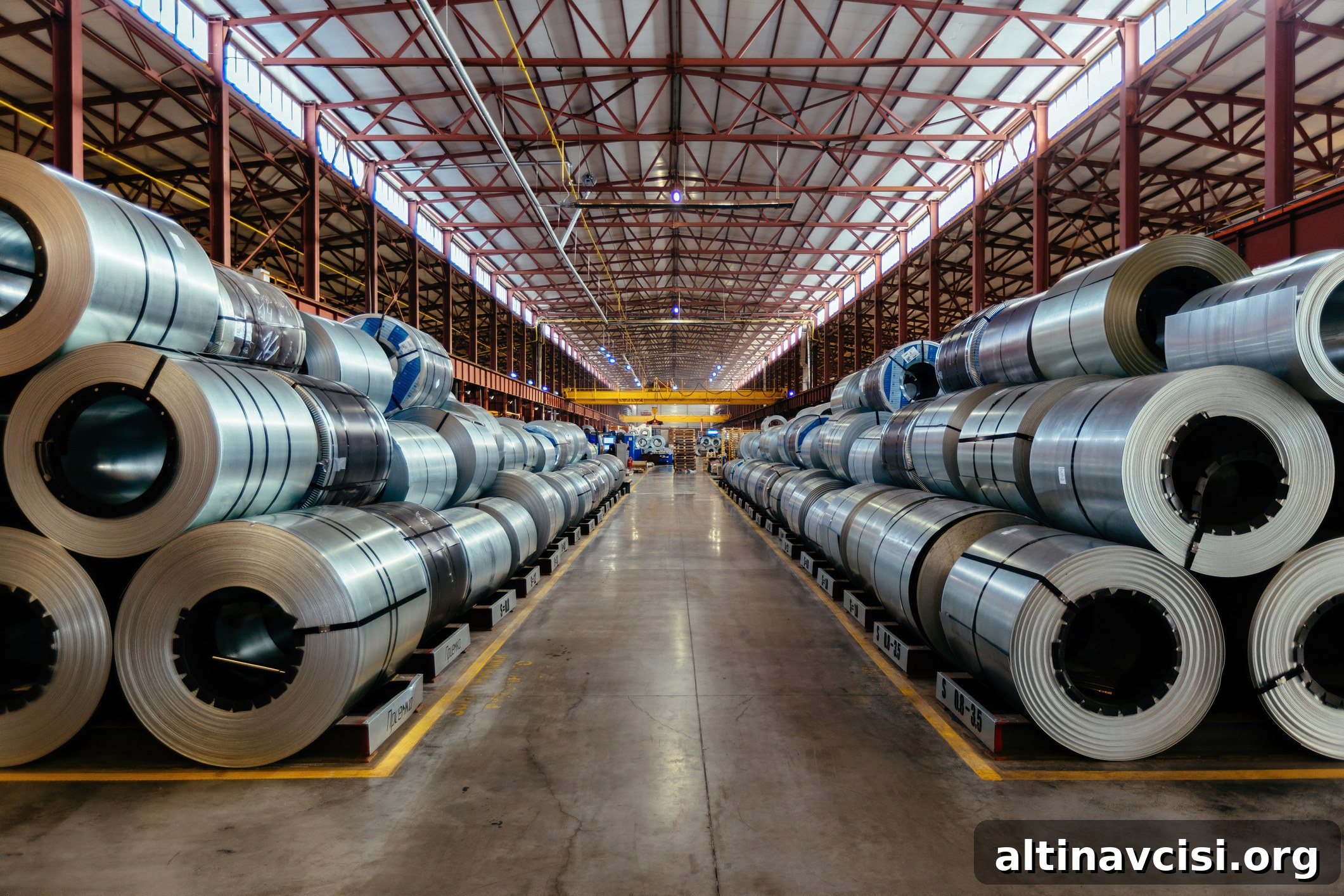
Canada has warned it may raise retaliatory tariffs on U.S. steel and aluminum unless a broader trade arrangement is reached with the administration of President Donald Trump by July 21. The move is part of a broader effort to protect Canada’s domestic metals industry and ensure fair treatment for Canadian producers in a shifting international trade environment.
Prime Minister Mark Carney outlined a set of measures designed to support the country’s steel and aluminum sectors. Among those measures are changes to federal procurement policies that will prioritize Canadian-made steel and aluminum when public projects are tendered. The government says these procurement adjustments are intended to preserve jobs, protect national supply chains and give domestic firms a stronger footing while talks continue with U.S. counterparts.
The dispute escalated after the United States raised import duties on steel and aluminum, doubling some tariffs from 25% to 50% in recent actions. Because Canada is the single largest supplier of steel and aluminum to the United States, those higher duties could have significant economic consequences for Canadian exporters, downstream manufacturers and the communities that rely on metal production.
In response to earlier U.S. measures, Canada already enacted retaliatory tariffs of 25% on approximately $15.6 billion worth of U.S. steel and aluminum products. The Canadian government framed those tariffs as a measured, proportional response intended to encourage negotiation and preserve leverage in trade talks. With the possibility of further increases on the U.S. side, Ottawa has signaled it’s prepared to escalate its countermeasures if necessary.
Officials emphasize that the objective remains a negotiated resolution that restores stable, predictable trade relations between the two countries. Discussions aim to protect the integrated North American supply chain that links mines, mills, manufacturers and finished-goods producers across Canada and the United States. For Canadian policymakers, defending the domestic metals sector is seen as both an economic priority and a matter of national interest.
At the same time, Canada’s procurement preference changes are intended to be compliant with international trade rules while still giving domestic producers a competitive edge when governments purchase steel and aluminum-intensive goods, such as infrastructure materials and government equipment. Advocates for the new measures argue they will help mitigate short-term disruption for Canadian plants and their workforces if tariffs remain elevated or expand further.
Business groups and labour organizations reacted with a mix of cautious support and concern. Industry representatives said protection of key markets and procurement preferences can help stabilize demand, but they also warned that prolonged tariff disputes risk raising costs for downstream manufacturers who use steel and aluminum in their products. Labour groups stressed the need to protect jobs at mills and plants that could be affected by sudden shifts in cross-border trade.
Diplomats and trade officials from both countries have continued to engage in talks aimed at an agreement that would remove extraordinary tariffs and restore a rules-based trading relationship. Any progress toward a comprehensive deal would likely ease pressures on Canadian producers and reduce the need for further retaliatory steps by Ottawa.
For now, Canada’s stated readiness to increase counter-tariffs after the July 21 deadline serves as a clear bargaining signal to Washington. The outcome will shape not only bilateral trade in steel and aluminum, but also broader cooperation on supply chains, infrastructure procurement and industrial policy between the two closely linked economies.