Bernstein Cuts Gold Forecast After Breaking Gold’s Oldest Rule

Wall Street’s long-standing rule has been that rising real interest rates weigh on gold. Bernstein recently lowered its long-term price target for gold — and its explanation challenges that old rule.
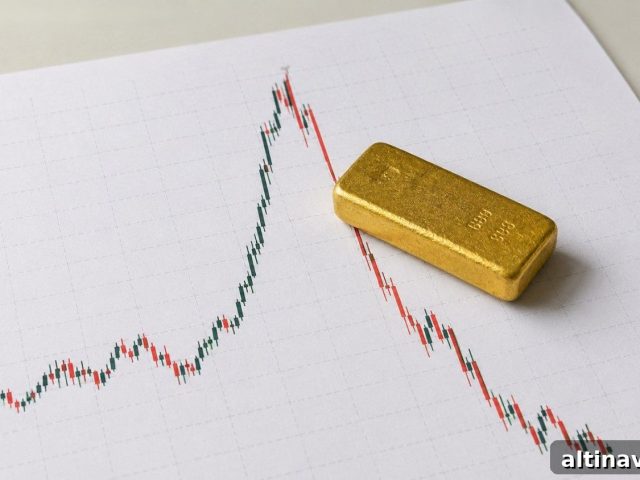
Bernstein reduced its 2030 gold price forecast to $5,600 per ounce from $6,100. Real interest rates have climbed to roughly 2.7% from about 1.7% in early March. Despite that rise, Bernstein still projects higher gold prices, arguing that central-bank buying, rather than real yields, is the dominant force supporting the metal.
Gold is trading in the mid-$4,300s, around 22% below its January 28 record of $5,589.38. Silver sits near $66. Those current levels are notable, but the bigger development is a major investment bank openly saying its traditional playbook may not fully explain today’s gold market.
What Did Bernstein Just Change About Its Gold Forecast?
Bernstein analyst Bob Brackett trimmed the firm’s 2030 gold price target from $6,100 to $5,600 per ounce. The change reflects an updated interest-rate outlook rather than weaker demand. Early this year, markets expected one or two Federal Reserve rate cuts; they now price in two or three rate hikes by 2027. Real yields — the return investors earn after accounting for inflation — have risen from roughly 1.7% in March to about 2.7% now. The Fed’s rate increase on September 16 reinforced that shift.

The Edge Every Investor Needs
Smarter precious metals investing starts here. The Nuggets Newsletter offers concise market insights, Fed updates, global trends, educational material, and timely commentary.
Why Do Rising Real Rates Usually Hurt Gold?
Data from the Federal Reserve Bank of St. Louis shows the nominal 10-year Treasury yield near 4.9%, with the 10-year real yield — adjusted for expected inflation — close to 2.6%. That aligns with Bernstein’s estimates. Historically, rising real yields have pressured gold: a bond that pays a higher, inflation-adjusted return makes a non-yielding asset like gold relatively less attractive. This relationship held for many years, and Bernstein acknowledges it as a real force. The bank’s point is not that the link is invalid, but that other forces may now be offsetting it.
Why Does Bernstein Still Expect Gold to Climb Anyway?
Brackett emphasizes two observations that challenge the simple textbook view. First, holdings of gold ETFs have remained broadly stable this year, signaling steady investor demand. Second, instead of collapsing after the Fed’s recent hike, gold prices showed resilience. Brackett argues that gold “can rise with slowly rising real rates,” which matches the path markets currently foresee. He points to the metal’s performance from 2023 through 2025 as evidence that gold can remain firm even when yields move higher.
That recent resilience followed an unusual period: the Fed cut its policy rate by 175 basis points beginning in September 2024, yet 10-year yields rose by roughly 140 basis points over the same period instead of falling. Because that mix of easing policy and rising yields lacks a clean historical precedent, gold’s behavior during and after that stretch suggests the metal’s price can withstand some upward drift in real rates.
What Is Actually Holding the Gold Price Up?
Bernstein points to central-bank purchases as the primary support now. Central banks added more than 1,000 tonnes of gold per year in 2022, 2023 and 2024, absorbing close to a quarter of global mine supply annually. That consistent, large-scale demand has become a structural driver of prices.
Brackett highlights that some major reserve managers still hold relatively small allocations to gold — for example, China, Japan and Saudi Arabia allocate under 10% of reserves to the metal — while many Western central banks hold 60% to 70% of reserves in gold. Surveys from the industry echo this dynamic: a majority of official respondents expect their gold reserves to rise over the coming year, which would sustain demand.
Not all institutions agree with Bernstein’s outlook. For instance, HSBC trimmed its own gold forecasts for 2026 and 2027 in July, citing a hawkish Fed and a stronger dollar. This shows that similar rate expectations can produce different conclusions about how far rates will push gold lower.
What Could Actually Break Bernstein’s Bullish Case?
Brackett identifies a slowdown in central-bank buying as the clearest threat to Bernstein’s bullish thesis. If official-sector purchases fade, the support underpinning the forecast would weaken. Two other risks could also revive the old relationship between rates and gold: a surge in transport or refined-fuel prices that rekindles inflation and forces more Fed hikes than markets now expect; or a shift in U.S. political dynamics after the midterm elections that reduces geopolitical or policy uncertainty and, therefore, safe-haven demand for gold.
What Should Investors Watch From Here?
Bernstein’s guidance suggests tracking official-sector buying closely — arguably more important than the next Fed decision for gold’s outlook. A clear slowdown in central-bank purchases would matter more to this forecast than modest, incremental moves in the real yield. Investors should watch reported reserve changes from major reserve managers, particularly in Beijing, Tokyo and Riyadh, to see whether they continue narrowing the allocation gap highlighted by Brackett. In short, the resilience of official demand, not only the interest-rate path, is the critical variable for this forecast.
Stay On Top of Gold & Silver Prices
Get important market alerts sent straight to your inbox.
SOURCES
1. Investing.com: Bernstein Unveils New Gold Price Forecast for 2030 (Sam Boughedda, Sept. 21, 2026)
2. Federal Reserve Bank of St. Louis (FRED): 10-Year Treasury Inflation-Indexed Real Yield (DFII10) and Nominal 10-Year Yield (DGS10)
3. World Gold Council: Gold Demand Trends and 2026 Central Bank Gold Reserves Survey
4. GoldSilver: HSBC Cuts Its Gold Forecast, Then Says Gold Will Hit $4,750 by Year-End (July 2026)
5. Price benchmarks per CME Group and LBMA spot references.
Disclaimer: This article is for informational purposes only and does not constitute investment advice. Past performance is not indicative of future results. Always consult a qualified financial advisor before making investment decisions.
You May Also Like:
- The Fed Just Hiked. Wall Street Keeps Getting More Bullish on Gold Anyway.
- Gold Dips, Silver Holds as Iran Diplomacy Hopes Sink Oil Before a Bigger Week
- Silver Round-Tripped a 6.8% Shock in Nine Days. Real Yields Did It, Not Inflation.
- Iran Hit a Tanker in Hormuz and Trump Threatened Iran. Oil Isn’t Reacting.
- Rates Just Went Up Twice. Five Reasons Gold Didn’t Care.
- The Bank of Japan Just Hiked to a 31-Year High. Gold Barely Noticed.
- The Fed Hiked. The Bank of England Held. They Landed on the Same Rate.
Popular Topics
Picked from the archive
-
01
 Topics
How Profit Booking Works in Gold and Silver
-
02
Topics
Why Gold Is Still a Safe Haven, Says Switzerland’s Top Refiner
-
03
Topics
How Gold Prices Move During a US Dollar Crash
-
04
Topics
Why Silver Fell 12% While Gold Dropped Just 3%
-
05
Topics
Jobs Report Did What Iran Couldn’t: Gold and Fed Move in Sync
-
06
Topics
How to Buy Silver Bars: Investor Guide to Price and Purity
-
07
Topics
China Imported Over 1,000 Tonnes of Gold; PBOC Bought 80
-
08
Topics
Gold and Silver IRA: Why Starting Early Saves Money