World Bank: Precious Metal Prices May Dip in 2027, Stay High
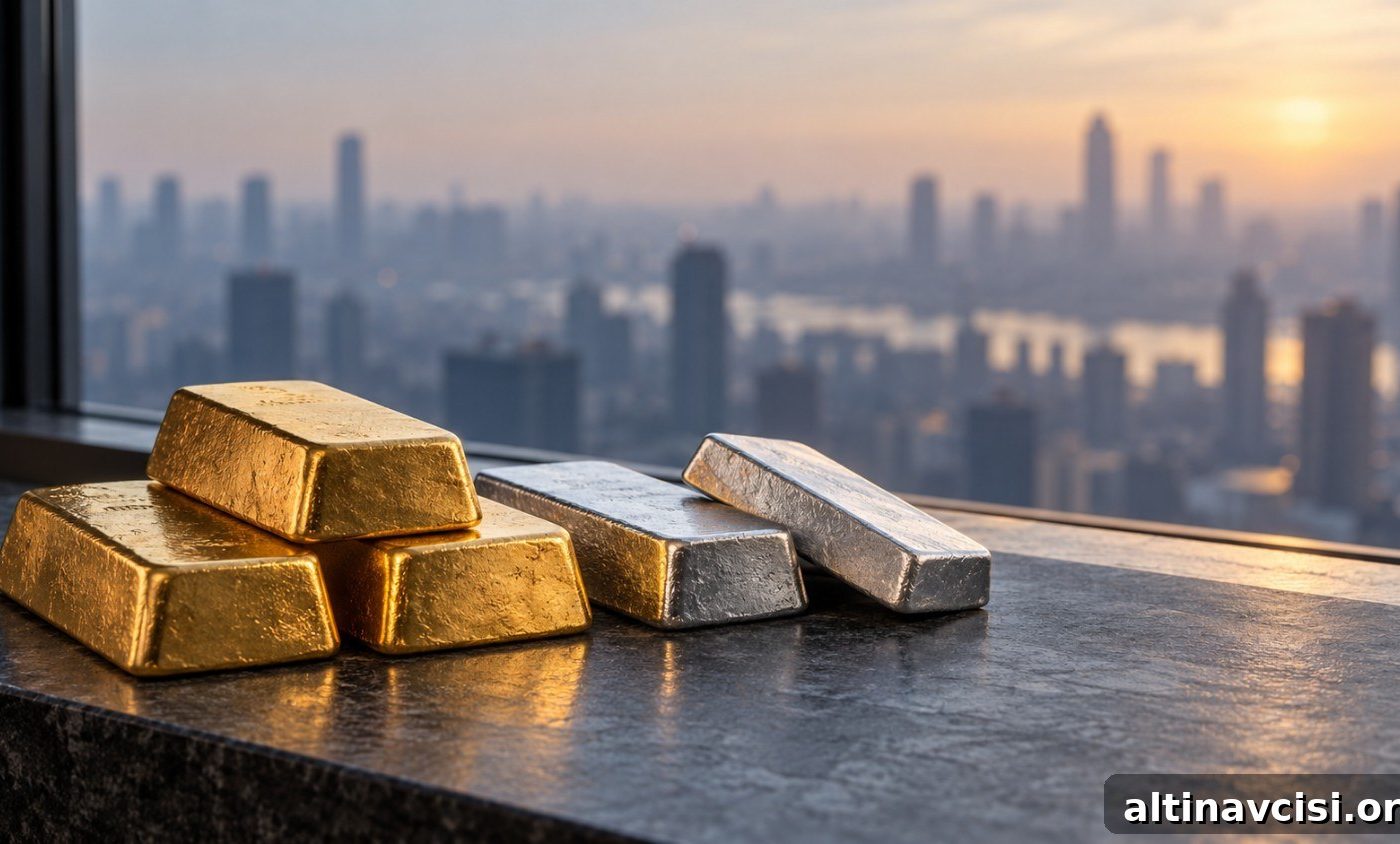
The World Bank published its precious metals outlook on October 28, 2026. The report projects that the annual average price index for a group of precious metals will be roughly 40% higher in 2026 than in 2025. The Bank also forecasts that prices could ease in 2027, while remaining meaningfully above the pre-2020 average for the sector.
This mix — a strong rise in one year followed by a modest decline the next — is important for long-term owners of gold and silver. A reduction after a peak year does not necessarily return prices to older, lower levels.
Key takeaways
- The 40% figure refers to a change in the Bank’s annual average index for a group of precious metals, not an unlimited projection of future upside from today’s spot price.
- The forecast includes an expected easing in 2027 from the 2026 peak, yet prices could remain several times higher than the 2015–19 average.
- The outlook describes a group index covering several metals and should not be treated as a guarantee for any single holding or product.
What does the World Bank forecast actually measure?
The World Bank’s precious-metals group covers gold, silver and platinum. In its October report, the Bank reports a 2026 increase for that group’s annual average of 39.9% and projects an 8.3% decline in 2027. Both numbers compare full-year averages with the previous year’s annual average.
These are group-level projections: gold, silver and platinum have distinct supply-demand dynamics, and the 40% index rise does not apply identically to each metal. Also keep in mind that an annual average differs from a year-end price and from today’s spot price; averages smooth intra-year volatility and capture the whole year rather than a single moment in time.

The Edge Every Investor Needs
Smarter precious metals investing starts here. The Nuggets Newsletter delivers concise market insight, updates on central bank activity, and context for long-term metal ownership.
Is easing in 2027 a new prediction?
No. Earlier World Bank releases already indicated a similar pattern: a notable rise in 2026 followed by a moderating trend in 2027. The October publication refines previous projections but does not fundamentally reverse the earlier outlook. In other words, the October figures update and clarify an evolving forecast that the Bank has been tracking through the year.
How can prices fall and still remain high?
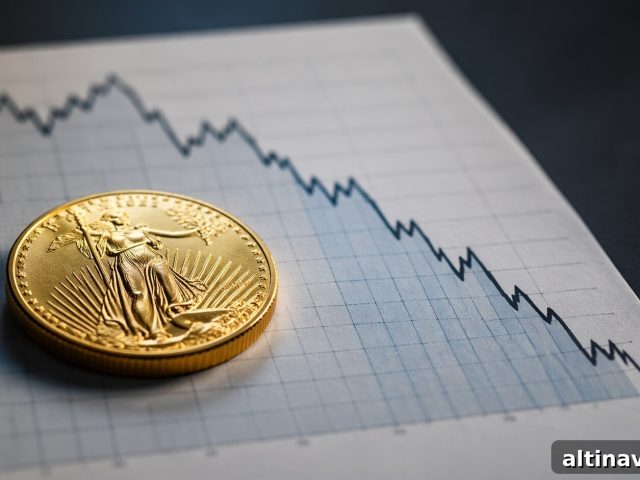
The answer is in the choice of reference points. The Bank’s projected 2027 decline is measured relative to the strong 2026 annual average. If 2026 becomes an exceptionally strong year, a fall in 2027 can still leave prices well above earlier multi-year averages — for example, the 2015–19 period frequently used as a pre-pandemic baseline.
Also note that the World Bank reports the figures in nominal U.S. dollars. That means the numbers do not account for inflation. Evaluating real purchasing power requires adjusting nominal prices for U.S. inflation. Investors should therefore distinguish between nominal price moves and changes in inflation-adjusted value when assessing long-term performance.
What could change the 2027 outlook?
Several factors could push outcomes away from the baseline forecast. Greater geopolitical tension, renewed financial-market volatility, or stronger-than-expected central-bank purchases would tend to support precious metal prices. On the other hand, persistently higher interest rates, a stronger U.S. dollar, or weaker industrial demand — particularly for silver — could exert downward pressure.
For silver specifically, technological substitution or falling demand in key industrial applications, including some solar uses, represent downside risks. The Bank also notes that easing geopolitical tensions could reduce demand driven by safe-haven buying. Because these influences can shift, the outlook is conditional rather than deterministic.
What does this mean for physical gold and silver owners?
For long-term holders of bullion, the World Bank outlook is useful for setting expectations about possible price volatility and where market averages might sit over the next two years. It does not create a guaranteed price floor or remove the risk of downside moves.
An individual investor’s net return depends on the purchase price, sales price, dealer premiums and spreads, storage and insurance costs, and any transaction fees. Inflation and real purchasing power are also important: higher nominal prices do not automatically translate into greater inflation-adjusted value. Physical ownership has the advantage of direct metal exposure rather than reliance on an issuer’s promise, but custody arrangements matter. Allocated holdings and unallocated account claims carry different types of custody and counterparty risk.
Read the World Bank forecast as a market-level outlook for precious metal prices. A multi-year holding horizon can reduce the impact of short-term volatility, but it does not eliminate price risk or the need to consider inflation and costs when assessing real returns.
Stay On Top of Gold & Silver Prices
Receive timely market alerts and clear context about price moves.
SOURCES
1. World Bank Group — Commodity Prices Set to Increase by 23% in 2026 (World Bank press release, October 28, 2026).
2. World Bank — Commodity Markets Outlook, October 2026 (World Bank report).
3. World Bank Group — Commodity Markets Outlook, April 2026 (press release and earlier analysis).
4. World Bank Data Blog — commentary on precious metals and recent price movements.
5. Federal Reserve Bank of St. Louis — guidance on adjusting economic series for inflation.
6. CFTC — consumer guidance on buying physical metals and related considerations.
7. LBMA — information on precious metal accounts and the distinction between allocated and unallocated holdings.
8–9. Industry commentary and company coverage placing these World Bank findings in context.
Disclaimer: This article is informational only and does not constitute investment advice. Past performance is not indicative of future results. Consult a qualified financial advisor before making investment decisions.
You May Also Like:
- Silver Tests Its 2026 Low Again
- Gold Price Today: Does It Rise or Fall in an AI Stock Selloff?
- Durable Goods Beat: What It Means for Gold Prices
- Gold Steadies Near Key Levels as Market Factors Shift
- Russia Is Selling Gold: Why That’s Not Necessarily Bearish
- Gold-Silver Ratio: Why Silver May Fall Faster in Some Cycles
- Gold Priced in Oil: Historical Comparisons and What They Show
- Social Security Cost-of-Living Adjustments and Broader Inflation Context
- How Gold’s Correction Impacted Portfolios
- Central Bank Gold Buying: Why Net Purchases Matter
Popular Topics
Picked from the archive
-
01
 Topics
Why Investors Choose the Vienna Philharmonic Gold Coin
-
02
Topics
Stablecoin Issuer Outspent Central Banks on Gold Last Year
-
03
Topics
Why Gold Prices Are Falling Amid the Oil War
-
04
Topics
How to Buy Gold in 2026: Step-by-Step Guide for Beginners
-
05
Topics
Silver Appears Weak, Silver-to-Gold Ratio Signals Accumulation
-
06
Topics
Why Gold Prices Are Falling: What Most Investors Get Wrong
-
07
Topics
Should You Still Hold Gold in Your Portfolio?
-
08
Topics
Gold Bars vs Jewelry: Why Investors Choose Bullion