Wall Street Turns More Bullish on Gold Despite Fed Rate Hike
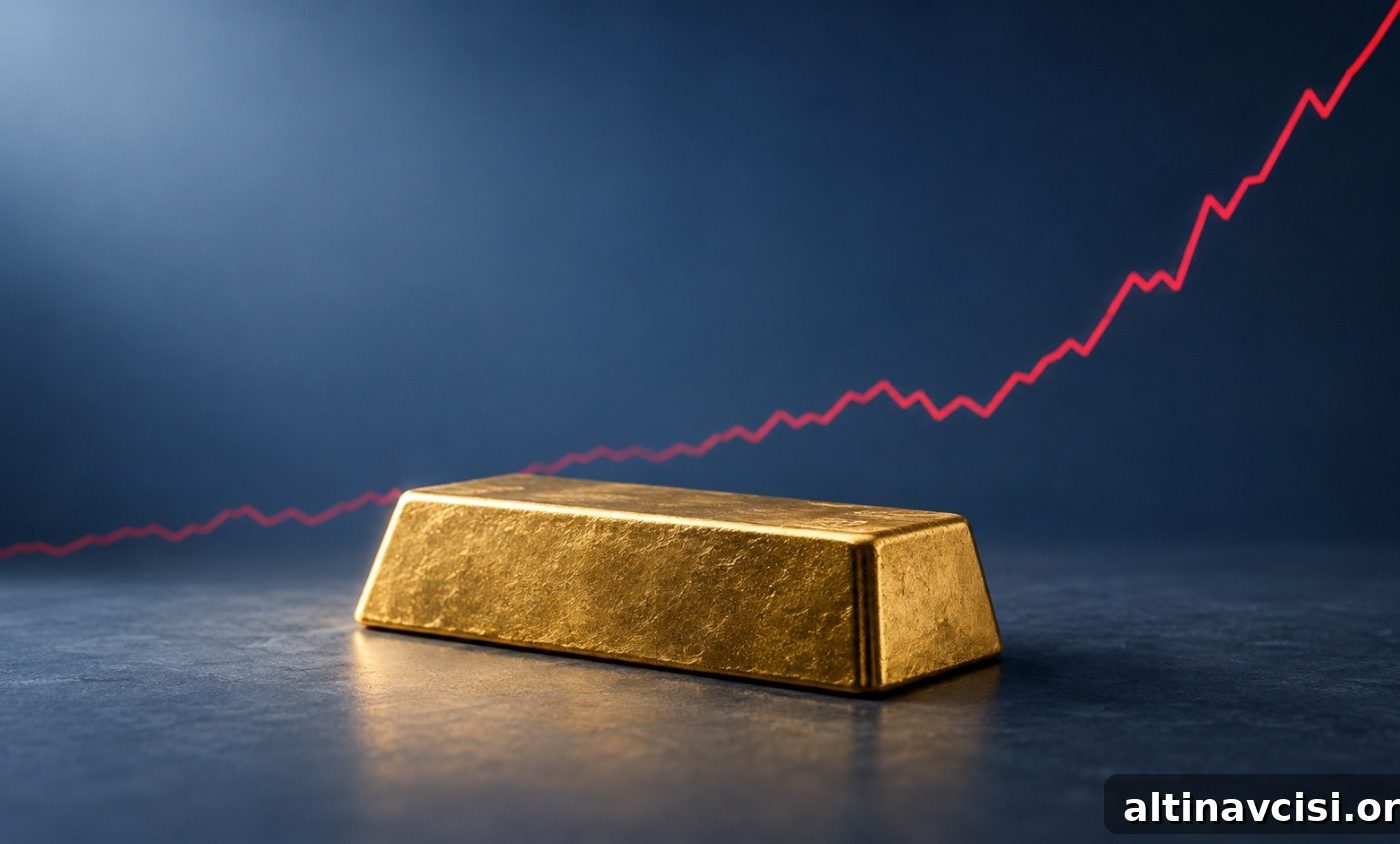
Gold is trading near $4,338 an ounce today, down roughly 0.9% after last week’s Federal Reserve rate increase. On the surface, higher rates typically weigh on a non-yielding asset like gold. Yet in the three trading sessions since the hike, five independent market signals — an analyst forecast, a technical note, a bond-market argument, a programmatic trading trigger, and a Chinese regulatory notice — have converged in the same direction. They do not rely on a single mechanism, but together they suggest a consistent market narrative.
Why Is UniCredit Still Defending a $4,300–$5,000 Gold Target After the Hike?
On September 20, UniCredit reaffirmed its year-end 2026 gold range of $4,300 to $5,000 per ounce. With gold closing last week near $4,380, that spot sits close to UniCredit’s lower bound. The bank’s case is not predicated on an imminent policy retreat by the Fed. Instead, UniCredit highlights three structural demand drivers: elevated central-bank purchases that have remained unusually strong since earlier this decade; renewed inflows into gold ETFs after a period of outflows; and investor concerns about preserving purchasing power as large fiscal deficits persist. The bank acknowledges that higher interest rates constrain how high those forces can push prices, but argues they do not erase the underlying demand. UniCredit’s upper target is roughly 14% above last week’s close, which positions the forecast more as a downside cushion than a short-term rally prediction.
The Edge Every Investor Needs
Smarter precious metals investing starts here. The Nuggets Newsletter delivers concise market insights, Fed updates, global themes, and educational material to help you follow gold and silver trends.
How Did Gold and Silver Survive a “Brutal Macro Stress Test” Over the Weekend?
Last week both gold and silver faced three simultaneous headwinds: a hawkish Federal Reserve, a sharp rise in short-term Treasury yields, and a stronger U.S. dollar. StoneX’s trading desk described the episode as a “brutal macro stress test.” The important takeaway: both metals held key technical levels. Gold stayed above its 50-day moving average, while silver pushed toward resistance near $67.50 before retreating to a support area just below $64, where its 50-day and 100-day moving averages converge. Two-year Treasury yields rose to about 4.67% and ten-year yields to roughly 4.94% at last week’s close. Historically, that mix would pressure bullion; this time, the market absorbed it without a decisive breakdown.
Is Société Générale’s Bullish Gold Call Really a Bet Against the Fed?
Société Générale’s view is not centered on expecting rate cuts. The bank projects gold at $4,750 per ounce by Q4 2026, rising to $5,000 by Q2 2027 and $5,250 by Q3 2027, and it recommends a 10% allocation to gold plus 10% to broader commodities within its model portfolios. SocGen frames rising bond yields less as a pure monetary policy signal and more as an “interest cost” problem layered on top of high sovereign deficits — debt that is already expensive to service before new borrowing. Their analysis suggests that shifts in real yields tend to move the gold price by roughly $40 to $60 per ounce for a 25 basis point change, which makes sovereign-debt worries the key driver rather than an imminent Fed policy reversal.
Why Would a Fed Rate Hike Be Bullish for Gold, Not Bearish?
Deutsche Bank’s metals desk analyzed where algorithmic and futures-based trading programs typically flip from selling to buying gold. They identified two important thresholds: a downside trigger near $4,300 that would prompt programmatic selling, and an upside trigger near $4,700 that would encourage futures funds to rebuild positions at scale. Despite last week’s Fed hike, firmer dollar and higher short-term yields, gold remained above the $4,300 trigger. Deutsche Bank interprets recent flows as a shift away from fast, short-term selling toward buying by slower, longer-horizon investors — a development the desk described as “the cavalry has arrived.” In that sense, rate increases may temporarily compress upside, but they do not automatically reverse structural flows into safe-haven and store-of-value allocations.
Why Are Chinese Banks Still Shutting Down Retail Gold Speculation, Even With Prices Off Their Highs?
On September 18 China Everbright Bank informed clients it will stop acting as an agent for individual, leveraged gold and silver contracts on the Shanghai Gold Exchange, effective October 19. This move follows a trend: more than ten Chinese banks have curtailed the same leveraged retail channel since 2020. The change affects short-term, margin-based deferred contracts that allow speculative retail bets on intraday or short-term price moves. Important exclusions include gold accumulation plans, physical bullion purchases, gold ETFs, and other paper-gold products — those remain available. The notable point is timing: these closures are occurring while prices sit roughly 20–25% below January record highs, not only after a market crash. Chinese banks appear intent on removing the most leveraged layer of retail demand as a precaution, rather than waiting for calmer conditions.
Stay On Top of Gold & Silver Prices
Get important market alerts delivered to your inbox.
SOURCES
1. ExchangeRates.org.uk — UniCredit Gold Forecast: $4,300 to $5,000 by End of 2026
2. StoneX / FOREX.com — Gold, Silver Shrug Off a Brutal Macro Stress Test
Disclaimer: This article is for informational purposes only and does not constitute investment advice. Past performance is not indicative of future results. Always consult a qualified financial advisor before making investment decisions.
You May Also Like:
- Gold Dips, Silver Holds as Geopolitical and Economic News Influence Oil and Metals
- Silver Experienced a Rapid Round-Trip Move; Real Yields, Not Inflation, Were the Main Driver
- Geopolitical Tensions in the Gulf Tested Markets but Oil and Gold Reacted Differently
- Five Reasons Gold Remained Resilient Despite Recent Fed Rate Hikes
- Bank of Japan Policy Changes Had Little Immediate Impact on Gold Prices
- Global Central Bank Actions and Market Expectations Converged Around Similar Rate Levels
- Gold Rallied Despite Strong U.S. Employment Data: Four Signals to Watch
Popular Topics
Picked from the archive
-
01
 Topics
COMEX Silver Coverage Ratio: Is Your Paper Silver Genuine?
-
02
Topics
Gold Jumps 1% – Why July CPI Matters More Than the Headline
-
03
Topics
5 Key Signals Point to Next Week’s Fed Decision
-
04
Topics
Gold Remonetization: 6 Forces Reviving Gold as Money
-
05
Topics
How Kevin Warsh as Fed Chair Could Affect Gold Prices
-
06
Topics
Gold Drops 4% Today: 5 Signals the Market Is Stabilizing
-
07
Topics
Updated 2026 Gold Price Outlook After Q1
-
08
Topics
5 Drivers That Could Move Gold and Silver at Beijing Summit