Gold Falls, Silver Steady as Iran Diplomacy Weighs on Oil
Key takeaways:
- Oil has fallen for a fourth consecutive session after a comment by former President Trump that he would “probably” meet Iran’s president at the UN this week reduced the market’s war-risk premium.
- A larger event follows on Wednesday: Chinese leader Xi Jinping arrives in Washington for a state visit, the first in a decade. Important trade measures — including a tariff truce and rare-earth export controls — both expire on November 10, and Taiwan’s arms package is also a major point of focus.
- Gold and silver are diverging today. Diplomatic developments are easing gold’s geopolitical premium, while higher real yields driven by a hawkish Federal Reserve are supporting silver.
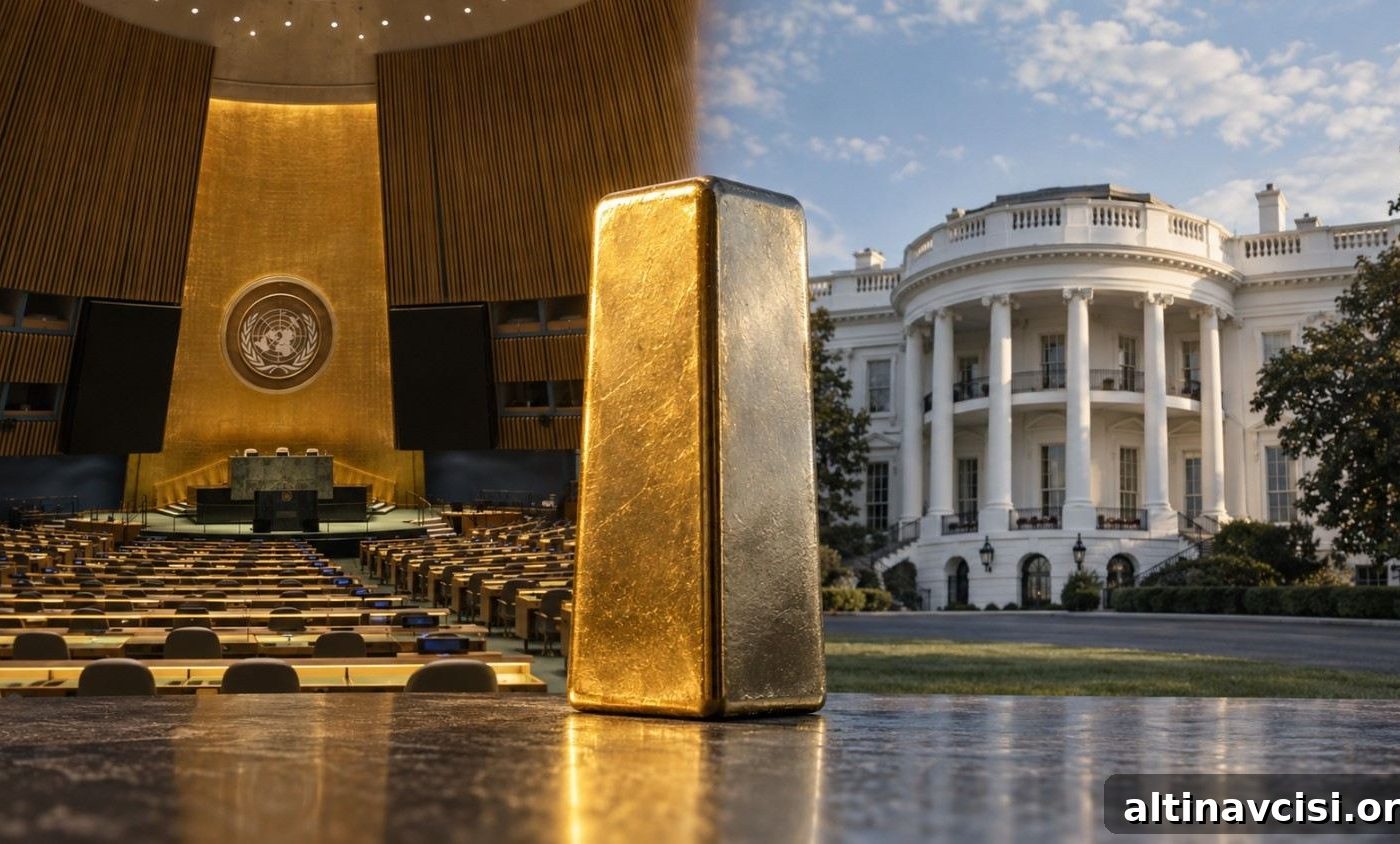
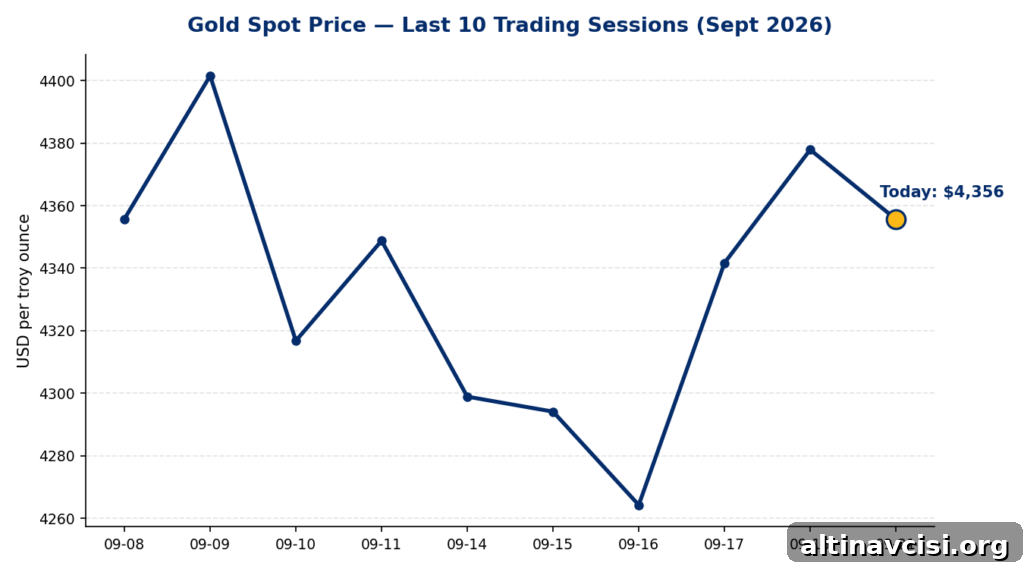
This week brings two high-profile trips to the United States: Iran’s president to New York for the UN General Assembly, and China’s leader to Washington for a state visit. Precious metals are reacting to both visits and to monetary policy signals from the Federal Reserve. Gold is trading near $4,356 per ounce, down roughly 0.5%, while silver sits near $66.44 per ounce, holding slightly higher. That split between gold and silver is notable and helps explain market dynamics heading into several important diplomatic and policy events.
Why Is Gold Slipping While Oil Keeps Falling?
Brent crude has fallen for four straight sessions, trading around $102 per barrel on Monday. The immediate driver was a single public remark: when asked whether he would meet Iran’s president during the UN General Assembly, former President Trump said he would “probably” be open to doing so. That comment reduced the market’s assessment of near-term geopolitical risk. Combined with logistical improvements — for example, efforts to reroute oil around a damaged pipeline — risk appetite improved in Asian markets and oil prices eased.
Gold tends to react to geopolitical risk the way oil does, but in reverse. When energy-driven inflation fears recede, the argument for holding gold as an inflation hedge weakens slightly. In other words, falling oil and lower war risk remove part of gold’s premium tied to geopolitical uncertainty. That dynamic is a modest, mechanical headwind for the metal, though it does not undermine gold’s longer-term fundamentals.
The Edge Every Investor Needs
Smarter precious metals investing starts here. The Nuggets Newsletter delivers timely market insight, updates on Fed policy, and concise analysis of global events affecting gold and silver.
What Happens at the Trump-Xi Summit on Wednesday?
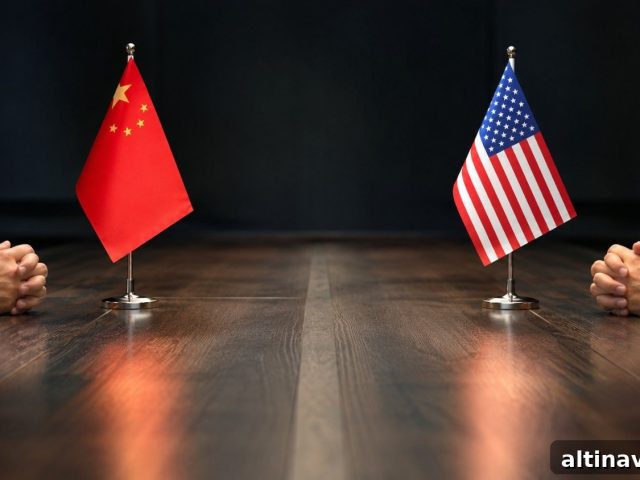
The most consequential event this week is the state visit in Washington. Xi Jinping’s trip marks the first Chinese state visit to the United States in years and follows a summit between the two leaders in Beijing earlier in the year. The agenda is wide-ranging, but artificial intelligence and technology cooperation are prominent topics.
Two policy deadlines share the November 10 date: a tariff truce and the temporary suspension of China’s rare-earth export controls. Both measures are currently suspended and could resume if not extended, making November 10 a practical deadline that both capitals will be negotiating around during the visit. Another major item is a pending U.S. arms package for Taiwan, which has been a recurring point of contention. Analysts expect limited breakthroughs; instead, the summit is likely to be judged on whether existing commitments hold and whether escalation is avoided.
Why Does the Fed’s Dot Plot Matter More Than Today’s Headlines?
Monetary policy remains the most important influence on precious metals prices. The Federal Reserve raised its benchmark rate by a quarter point on September 16 to a 3.75%–4.00% range — the first hike in three years — and its updated projections pointed to a likely additional hike later in the year. Most Fed officials expect at least one more increase before year-end, signaling a tighter policy path than markets had previously priced.
Longer-term interest rates matter for real yields, which are nominal yields minus expected inflation. The 10-year Treasury yield is trading near 5.0%, and 10-year real yields have risen, increasing the opportunity cost of holding non-yielding assets like gold. Historically, rising real yields pressure gold prices, yet gold remains relatively resilient around current levels. That resilience suggests that while rate expectations are a clear influence, the market is also weighing incomplete progress on global economic coordination and reliable alternatives to dominant currencies.
What Is the Deeper Story Here?
The deeper narrative is structural rather than event-driven. Gold is holding firm despite easing geopolitical tensions, while silver is responding more directly to changes in real yields. The gold-silver ratio has tightened to roughly 65.6, near its monthly lows. If both geopolitical risk and energy inflation were falling in tandem, both metals would likely head lower together. Instead, silver’s relative strength points to monetary influences — higher real yields — keeping industrial-linked precious metals supported.
For gold, the underlying support goes beyond short-term headlines: it remains attractive as a non-sovereign asset with no counterparty risk in a world where major economic powers continue to leave trade and strategic deadlocks unresolved. Those structural considerations help explain why gold has not followed oil down in lockstep.
What Should Investors Watch This Week?
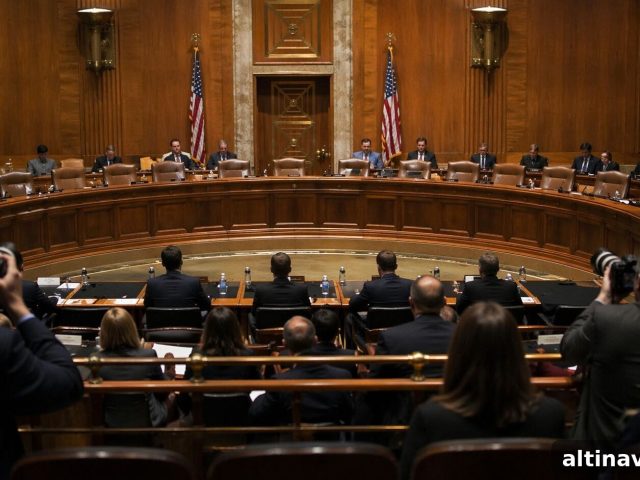
Three dates are most important. Tuesday begins the UN General Assembly’s high-level week, when Iran’s president will address the chamber and any meeting with the U.S. president would likely be confirmed or denied. Wednesday and Thursday host the state visit in Washington and related meetings and dinners, where technology and AI leaders will also be in attendance — a sign of the summit’s broader commercial and strategic focus.
Beyond this week, November 10 remains the critical deadline for both the tariff truce and rare-earth export suspensions. Investors should monitor central-bank guidance and real-yield moves closely, because those monetary variables will continue to influence gold and silver prices long after diplomatic headlines fade.
SOURCES
1. CNBC — coverage of Iranian president attending the UN and related U.S. comments.
2. The National — reporting on the Trump-Xi summit agenda and visit.
3. Heritage Foundation — analysis of expectations for the Trump-Xi meeting.
4. Federal Reserve materials and FRED data on Treasury yields and real yields.
5. South China Morning Post — confirmation of Xi’s state visit to the U.S.
6. Bloomberg — reporting on invited technology leaders attending the state dinner.
7. The White House — fact sheet on prior agreements affecting trade relations.
8. Price benchmarks from CME Group and LBMA spot references.
Disclaimer: This article is for informational purposes only and does not constitute investment advice. Past performance is not indicative of future results. Always consult a qualified financial advisor before making investment decisions.
You May Also Like:
- Silver Round-Tripped a 6.8% Shock in Nine Days. Real Yields Did It, Not Inflation.
- Iran Hit a Tanker in Hormuz and Trump Threatened Iran. Oil Isn’t Reacting.
- Rates Just Went Up Twice. Five Reasons Gold Didn’t Care.
- The Bank of Japan Just Hiked to a 31-Year High. Gold Barely Noticed.
- The Fed Hiked. The Bank of England Held. They Landed on the Same Rate.
- Jobless Claims Just Beat Estimates. Gold Rallied Anyway. Here Are 4 More Signals Behind It.
- Gold and Silver Rip Higher as the Fed-Hike Selloff Reverses.
Popular Topics
Picked from the archive
-
01
 Topics
COMEX Silver Coverage Ratio: Is Your Paper Silver Genuine?
-
02
Topics
Gold Jumps 1% – Why July CPI Matters More Than the Headline
-
03
Topics
5 Key Signals Point to Next Week’s Fed Decision
-
04
Topics
Gold Remonetization: 6 Forces Reviving Gold as Money
-
05
Topics
How Kevin Warsh as Fed Chair Could Affect Gold Prices
-
06
Topics
Gold Drops 4% Today: 5 Signals the Market Is Stabilizing
-
07
Topics
Updated 2026 Gold Price Outlook After Q1
-
08
Topics
5 Drivers That Could Move Gold and Silver at Beijing Summit