Gold Barely Moves as Bank of Japan Raises Rates to 31-Year High
The Bank of Japan raised its policy rate by 25 basis points to 1.25% on September 18, 2026, marking the highest official rate since 1995. The policy board voted 7–2 in favor of the hike. Because markets had largely expected the move, the immediate reaction in the yen and Japanese government bond yields was muted. Still, gold and silver continued to climb this week on momentum from the Federal Reserve’s September decision and easing oil prices.
The Edge Every Investor Needs
Smarter precious metals investing starts here. The Nuggets Newsletter delivers essential market analysis, central bank updates, global trends and educational content tailored to investors in gold and silver.
Why Did the Bank of Japan Raise Rates to a 31-Year High?
On September 18, 2026 the Bank of Japan’s policy board voted 7–2 to raise the benchmark rate from 1.00% to 1.25%. The two dissenting members—Toichiro Asada and Ayano Sato—favored holding steady. Both dissenters are known as reflationists and were appointed in 2026 by Prime Minister Sanae Takaichi.
The BOJ emphasized a key concern in its statement: inflation may rebound above the bank’s 2% target. Japan’s core inflation for August 2026 was 1.7%, down slightly from 1.8% in July 2026. Policymakers made their decision based not only on current readings but on projected inflation trends, signaling a proactive stance to keep price growth anchored.
External pressure also influenced the debate. U.S. Treasury Secretary Scott Bessent publicly urged Tokyo to take action, suggesting he expected BOJ Governor Kazuo Ueda to respond and publicly commenting on the yen’s direction. Japan’s Finance Minister described the intensity of that pressure as “scary.” The yen spent much of 2026 near multi-decade lows and reached its weakest level against the dollar in 40 years before a coordinated intervention by Tokyo and Washington. For years, Japan has run negative real interest rates, and savers have effectively lost purchasing power while nominal rates remained below inflation. The September hike is the clearest signal yet that Tokyo wants to close that gap more quickly. It is the second increase since June 2026 and arrived after three months rather than the more typical six-month interval.
Why Didn’t the Yen Carry Trade Break Markets This Time?
The so-called yen carry trade helps explain why a BOJ rate change can have outsized global effects. Low-cost borrowing in yen has funded large positions in higher-yielding foreign assets. When Japanese rates rise, borrowing costs increase and the yen often strengthens, which can rapidly squeeze unhedged carry trades. A surprise BOJ tightening prompted a sharp global unwind in August 2024, disrupting equities and commodities within days.
The September 18, 2026 hike did not prompt a similar disorderly unwind. The yen initially weakened to about 156.64 per dollar, and later traded past 157 as markets absorbed the 7–2 split. Japan’s 10-year government bond yield moved lower by roughly 4.9 basis points—behavior more consistent with a move that was anticipated than with a sudden, hawkish shock. Forecasters had largely priced in the size of the hike: a CNBC survey found that 89% of economists queried between September 9 and 14 predicted a 25-basis-point increase. When a move is broadly priced in, market participants have time to adjust positions, reducing the chance of a chaotic forced unwind.
What Does This Mean for Gold and Silver Right Now?
At present, the stronger moves in gold and silver reflect developments in the United States more than Tokyo. Precious metals gained ground after the Federal Reserve’s September 16, 2026 rate decision, and were further supported by easing oil prices linked to repairs in a major pipeline. U.S. 10-year Treasury yields touched 5.00% on September 15, 2026 before retreating, helping to shape demand dynamics in the metals market. The BOJ decision is an important additional data point, but it has not displaced the Fed-driven momentum.
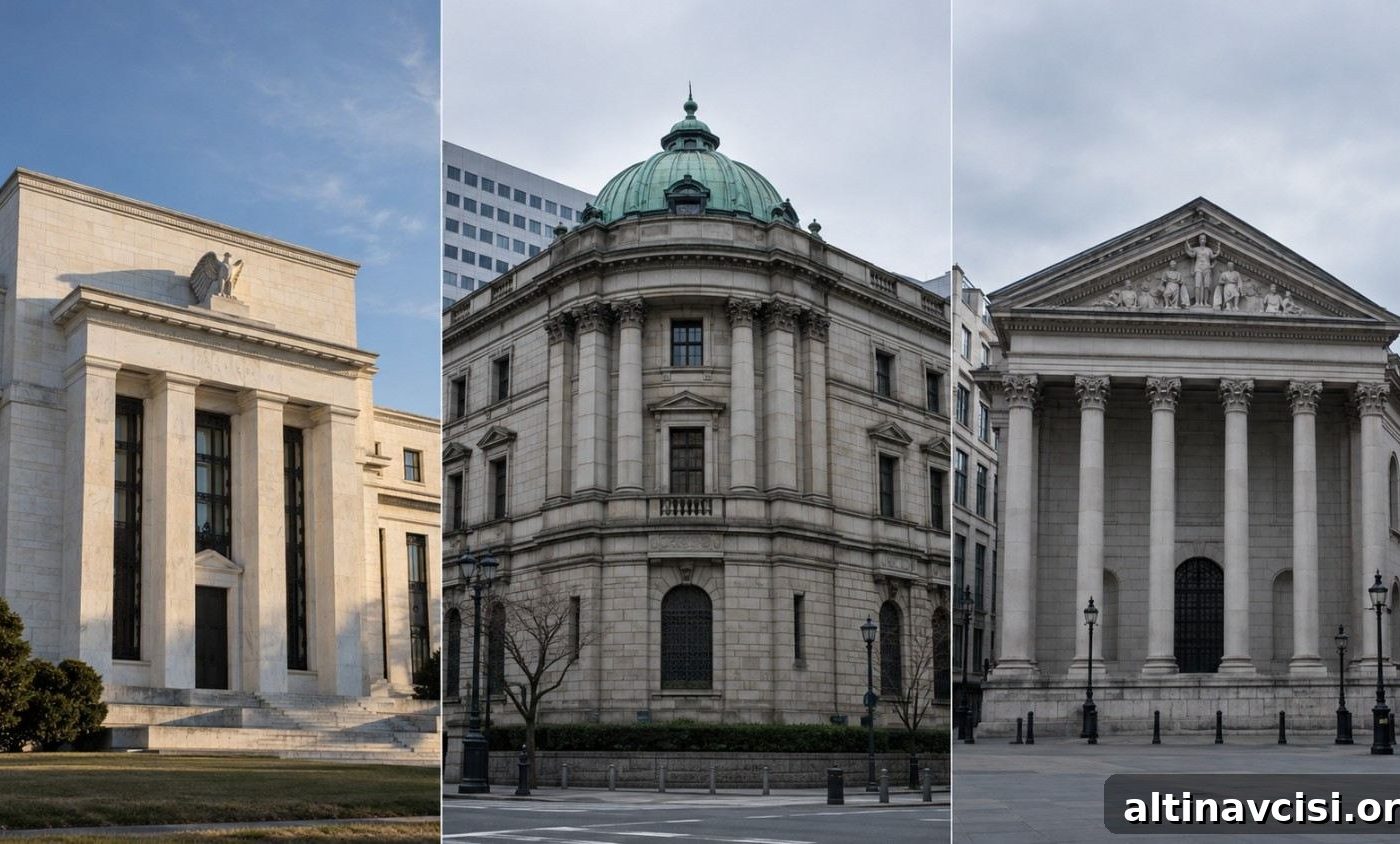
Over a three-day span from September 16–18, 2026, three major central banks moved in different directions: the Federal Reserve tightened policy, the Bank of England held rates steady, and the Bank of Japan raised rates to its highest level since 1995. Those policy shifts altered the relative value of the dollar, pound and yen, while gold and silver respond to a broader mix of forces. Unlike currency values, gold’s annual supply grows only modestly—roughly 1.5% to 2%—driven by geology and mining output rather than committee decisions. That difference in supply dynamics helps explain why investors include precious metals in portfolios alongside currency-based exposures.
If you follow gold and silver markets, watch incoming inflation data, central bank communications, and real yields. Those factors will continue to shape precious metals’ near-term direction as investors weigh policy uncertainty across major economies.
Stay On Top of Gold & Silver Prices
Get important market alerts sent straight to your inbox.
SOURCES
1. CNBC — reporting on the Bank of Japan’s September 18, 2026 rate decision and market reactions; related CNBC coverage of economist survey expectations.
2. Bloomberg — coverage of the BOJ decision, commentary on external pressure and market context.
3. The Japan Times — reporting on the BOJ meeting, rate move and statements from officials.
4. Asia Times — analysis of geopolitical and diplomatic pressures surrounding currency and rate decisions.
5. Fortune — background on the yen carry trade and its market implications.
6. Federal Reserve Bank of St. Louis (FRED) — U.S. 10-year Treasury yield data.
7. Price benchmarks and market references from industry-standard exchanges and spot references.
Disclaimer: This article is for informational purposes only and does not constitute investment advice. Past performance is not indicative of future results. Always consult a qualified financial advisor before making investment decisions.
You May Also Like:
- The Fed Hiked. The Bank of England Held. They Landed on the Same Rate.
- Jobless Claims Just Beat Estimates. Gold Rallied Anyway. Here Are 4 More Signals Behind It.
- Gold and Silver Rip Higher as the Fed-Hike Selloff Reverses
- The Fed Just Hiked. 16 of 18 Officials Say It’s Not Done.
- $603 Million Left the World’s Biggest Gold ETF. It Didn’t Leave Gold.
- Texas Just Made Gold Legal Money. Four More Non-Fed Stories Followed.
Popular Topics
Picked from the archive
-
01
 Topics
Warsh Skips Fed Dot Plot, FOMC Minutes Release Wednesday
-
02
Topics
Gold Coins vs Gold Bars: Compare Value, Liquidity and Costs
-
03
Topics
Why Gold Prices Held Steady After Iran Peace News
-
04
Topics
Iran’s War Deadline Sparks Gold and Silver Price Volatility
-
05
Topics
Oil Up 7% Yesterday, Silver Down: Physical Buyers Pivot
-
06
Topics
War Sends Gold Prices to Worst Quarter Since 2013
-
07
Topics
Should You Buy Gold Now During a Dip? Timing and Risks
-
08
Topics
August 2026 Gold Outlook: How Three Data Prints Move Prices