Why Gold Ignored Two Rate Hikes
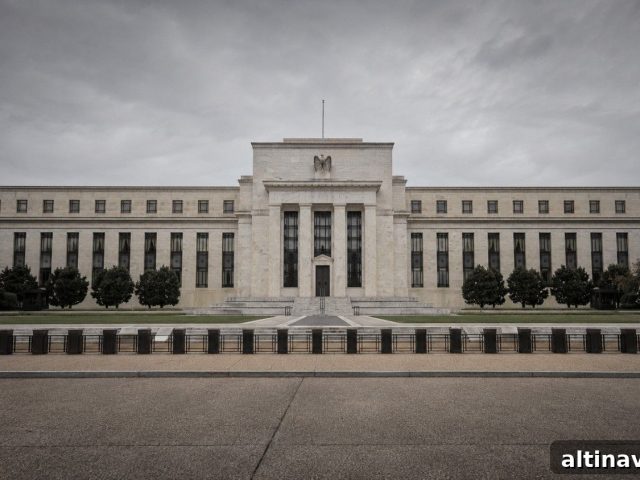
Gold is trading near $4,349 per ounce and silver around $66.22 today. Conventional finance theory holds that higher interest rates weigh on gold because the metal yields no income, so rising rates increase the opportunity cost of holding it. Yet two central-bank rate increases this week—the U.S. Federal Reserve on September 16 and the Bank of Japan on September 18—were followed by five distinct market and policy developments that point toward continued strong demand for gold. Below are each of those signals, explained and placed in context.
Is Goldman Sachs Still Bullish on Gold After This Week’s Fed Hike?
Yes. Goldman Sachs kept its long-term gold forecast of $5,400 an ounce for end-2027 intact even after the Fed’s 25-basis-point increase to a 3.75%–4.00% policy range. The bank also shifted its near-term rate expectations slightly higher by adding another hike in October, a move that normally would reduce gold’s appeal. Goldman’s model balances that higher-rate backdrop with two offsetting forces: strong central-bank purchases and elevated options-market demand.
Goldman estimates central banks are buying roughly 91 tonnes of gold per month, and it notes call-option demand for gold is running at about three times its historical average. Those flows can absorb selling pressure and push prices higher despite a higher interest-rate environment. The bank did lower its 2026 fair-value estimate modestly—from $4,900 to $4,650—reflecting a slower path to its target, but the end-2027 objective remained unchanged. In short: a delayed climb rather than a collapsed outlook.

The Edge Every Investor Needs
Smarter precious-metals investing starts with consistent, high-quality information. The right insights on central-bank flows, policy moves, and market structure can matter as much as short-term macro headlines.
Why Does David Einhorn Think Gold Will Beat the Nasdaq Over the Next Five Years?
David Einhorn of Greenlight Capital argues that gold will “significantly outperform” the Nasdaq over the coming three to five years because two broad trends are diverging: fiscal and monetary trust on one hand, and the profitability dynamics of Big Tech on the other.
Einhorn points to continued loose U.S. fiscal policy, a longer-term trend toward de-dollarization among some sovereigns, and the precedent set in 2022 when Western powers froze a portion of Russia’s foreign-exchange reserves. That action, he says, has raised questions in other capitals about how secure dollar-denominated reserves really are if they can be restricted by political decisions. Historically, doubts about the dollar’s reserve role have correlated with rising interest in gold as an alternative store of value.
Opposing that is the tech sector: heavy, ongoing investment in AI and other capital-intensive projects is reshaping the business models of large technology companies. Einhorn suggests this shift could compress profit margins and reduce the outsized earnings growth that has supported Nasdaq valuations. His forecast is therefore an expression of relative value: if sovereigns diversify away from dollar assets while tech earnings face pressure, gold could outperform equities over a multi-year horizon.
Why Is Venezuela Moving $4 Billion in Gold From London to New York?
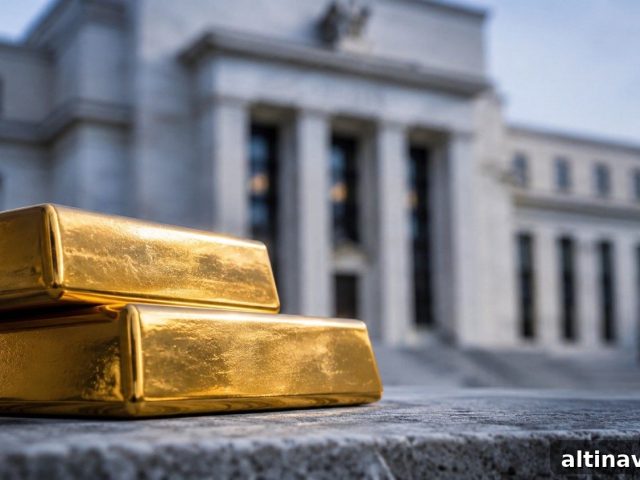
The central issue in the Venezuela story is custody rather than ownership. After years of the Bank of England holding Venezuelan gold—and refusing to release it to the Maduro government because of recognition disputes—a near-agreement would transfer roughly $4 billion in gold reserves to the Federal Reserve Bank of New York under interim government control.
Under the proposed arrangement the interim authority would gain legal custody of the metal, though immediate sales might be restricted. Instead the gold could be pledged as collateral for reconstruction lending or other designated purposes. This episode highlights a broader point: many central banks and governments have repatriated large quantities of gold from foreign vaults since 2011 because physical metal stored abroad is effectively subject to the legal and political decisions of the host jurisdiction. Custody equals control, and control matters for how reserves are used or pledged.
Is China Still Buying Gold as It Sheds U.S. Treasuries?
Yes—and those two moves are part of the same reserve-management decision. China’s holdings of U.S. Treasuries have declined to the lowest levels seen since 2008, freeing up capital that a sovereign reserve manager can reallocate. Surveys and market reports show that a strong majority of central banks expect to increase their gold reserves in the coming year, and institutional demand—especially from asset managers in Asia-Pacific markets—has been rising.
When a country reduces exposure to Treasury securities, it must replace that portion of its foreign-exchange portfolio with other assets. For many reserve managers, gold fits the role of a politically neutral, long-term store of value that helps diversify risk across currency and interest-rate environments. The co-movement of Treasury reductions and gold accumulation therefore reflects a deliberate shift in reserve strategy, not two unrelated developments.
Is Hong Kong Trying to Build Its Own Global Gold Market?
Yes. Hong Kong’s leadership used a recent policy address to underline plans to expand the city’s role in international gold trading, including new yuan-denominated, physically settled gold futures and an exploration of enlarging local Exchange Fund gold holdings. The practical effect of building a regional clearing and settlement hub is to divert physical trading volume away from traditional centers such as London and New York.
Every ounce that clears and settles through Hong Kong under a yuan contract is effectively priced and recorded outside the dollar’s immediate clearing system. Over time, that matters for global market structure: alternative clearing centers and non-dollar contracts reduce settlement concentration and give buyers and sellers more options for how they price and hold metal. This infrastructure shift ties back into many of the other stories this week—policy choices are changing not just prices today but the plumbing that underpins global reserve and market arrangements for tomorrow.
SOURCES
1. InvestingLive — Goldman Keeps $5,400 Gold Forecast Intact Despite Fed Hike
2. Futu News — Hedge Fund Veteran David Einhorn: “Gold Will Significantly Outperform the Nasdaq”
3. Al Arabiya English (Reuters) — Venezuela Nears Deal to Move $4 Billion in Gold Reserves to New York
4. Mining.com.au — China Cuts US Treasury Holdings as Gold Demand Grows
5. World Gold Council — Central Bank Gold Reserves Survey 2026
6. Caixin Global — Hong Kong to Accelerate Push for International Gold Trading Hub
Disclaimer: This article is for informational purposes only and does not constitute investment advice. Past performance is not indicative of future results. Always consult a qualified financial advisor before making investment decisions.
You May Also Like:
- The Bank of Japan Just Hiked to a 31-Year High. Gold Barely Noticed.
- The Fed Hiked. The Bank of England Held. They Landed on the Same Rate.
- Jobless Claims Just Beat Estimates. Gold Rallied Anyway. Here Are 4 More Signals Behind It.
- Gold and Silver Rip Higher as the Fed-Hike Selloff Reverses
- The Fed Just Hiked. 16 of 18 Officials Say It’s Not Done.
- $603 Million Left the World’s Biggest Gold ETF. It Didn’t Leave Gold.
Popular Topics
Picked from the archive
-
01
 Topics
Warsh Skips Fed Dot Plot, FOMC Minutes Release Wednesday
-
02
Topics
Gold Coins vs Gold Bars: Compare Value, Liquidity and Costs
-
03
Topics
Why Gold Prices Held Steady After Iran Peace News
-
04
Topics
Iran’s War Deadline Sparks Gold and Silver Price Volatility
-
05
Topics
Oil Up 7% Yesterday, Silver Down: Physical Buyers Pivot
-
06
Topics
War Sends Gold Prices to Worst Quarter Since 2013
-
07
Topics
Should You Buy Gold Now During a Dip? Timing and Risks
-
08
Topics
August 2026 Gold Outlook: How Three Data Prints Move Prices