August Payrolls Beat Forecasts: Gold and Silver Slide, 4 Movers

August payrolls were released at 8:30 a.m. ET and the headline number easily exceeded the consensus. Gold and silver reacted within minutes. But the report did more than move spot prices — it reopened a number of debates: who is buying gold, what the labor data hides beneath the headline, and whether last week’s most talked-about gold story still holds up. Here are five threads that mattered that morning.
Did August’s Jobs Report Really Beat Expectations by That Much?
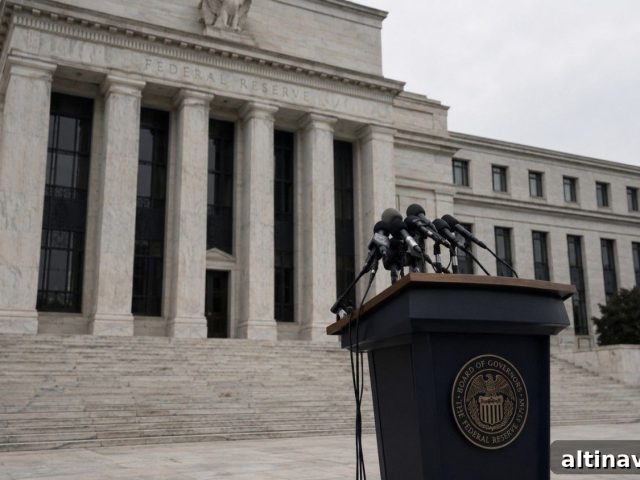
The Bureau of Labor Statistics reported 162,000 new jobs for August in its September 4 release, versus a Dow Jones consensus near 53,000. After July’s surprising drop, many economists were braced for a weak print. Instead, hiring picked up in restaurants and bars, which added roughly 59,000 positions, and in local government education, which added about 42,000. The unemployment rate remained at 4.1%. Gold initially fell as much as 2% toward $4,383, while silver slipped nearly 2.75% back under $65.15 as the morning progressed. A payrolls beat nearly three times the consensus revives the case for a September rate hike, raising the opportunity cost of holding non-yielding metals. Traders had spent the prior week pricing in a soft landing for the labor market; this print pushed back hard. Gold’s reaction underscores how much of its recent rally still hinges on the Fed’s next moves rather than an independent bullion narrative.

The Edge Every Investor Needs
Smarter precious metals investing begins with timely market insights, Fed updates, global trends and clear educational material.
Is Silver’s Fight to Hold $65 Support Over?
Silver spent the prior week defending a technical level that mattered. After slipping from about $71 in late August, it found support near $65 — roughly its 50-day exponential moving average — and bounced from that level twice in the days before the jobs report. Those rebounds depended on the odds of a rate hike falling. The hotter-than-expected payrolls print pushed hike odds higher and put pressure on the support level silver had been relying on. By mid-morning, silver’s percentage decline had outpaced gold’s, drifting toward $65.15. Traders were watching to see if $65 would hold again or finally break. Because silver typically swings more sharply than gold, gaps between the two metals are normal after a surprise of this magnitude. That is why the next few trading sessions matter especially for silver’s technical picture.
Is AI Already Showing Up in the Jobs Data?
Beneath August’s headline lies a pattern that says less about broad hiring and more about where jobs are disappearing. The information industry lost 23,000 positions, extending a trend that has averaged about 8,000 monthly losses over the past year. The BLS breakdown pointed to declines in computing infrastructure, data processing, and web hosting, which together shed roughly 8,000 jobs. Publishing and broadcasting also cut staff. These losses did not affect the 162,000 headline gain, but they illustrate a split between sectors adding workers — like restaurants and government education — and sectors facing contraction. The pattern aligns with areas most associated with automation and AI-driven efficiency. This is the first month in which the official data showed that pattern clearly enough to move beyond anecdote, making September’s data worth watching for confirmation.
Are Central Banks Still Buying Gold Even With Prices This High?
Central bank buying remains a structural source of gold demand and operates on multi-year budgets rather than daily market emotion. In July, central banks reported net purchases totaling 23 tonnes, per the World Gold Council’s monthly figures. China added about 20 tonnes and Poland added roughly 8 tonnes, while the largest reported seller that month was Russia at 6 tonnes, with smaller sales from Turkey, Jordan, and Uzbekistan. Year-to-date reported purchases were near 130 tonnes, a bit below the roughly 160 tonnes reported by the same point last year, though the pace had picked up since May. A hot payrolls print can knock gold for a session, but it does not typically alter a central bank’s reserve strategy. July’s numbers suggest those reserve strategies remain in place even as headline prices fluctuate.
Did Gold Actually Overtake US Treasuries as the Top Reserve Asset?
A chart went viral this summer suggesting that gold had overtaken U.S. Treasuries as the world’s top reserve asset, following an ECB report that showed gold’s share of global reserves above Treasuries for the first time since the Bretton Woods era. Some commentators interpreted that as a shift in reserve preferences. Others pushed back, noting the crossover was driven largely by gold’s roughly 38% price gain over the prior year rather than by a sudden acceleration in central bank purchases. Official gold holdings have climbed steadily since the 2009 trough, but analysts caution that price moves can make a structural accumulation story look more dramatic than it is. The episode is a useful reminder that headline market narratives can be amplified by valuation changes rather than changes in long-term behavior.
Stay On Top of Gold & Silver Prices
Receive timely market alerts and key updates directly to your inbox.
SOURCES
1. U.S. Bureau of Labor Statistics, “The Employment Situation — August 2026,” USDL-26-1435, released September 4, 2026
2. World Gold Council, “Central Bank Gold Statistics,” published September 3, 2026
3. Analysis by Toby Nangle, Head of Multi-Asset, Columbia Threadneedle Investments, on the gold-vs-Treasuries reserve asset crossover, June 2026
4. European Central Bank, International Role of the Euro report, June 2, 2026
5. Daily precious metals price coverage and commentary, week of September 1–4, 2026
Disclaimer: This article is for informational purposes only and does not constitute investment advice. Past performance is not indicative of future results. Always consult a qualified financial advisor before making investment decisions.
You May Also Like:
- The Fed Just Priced Out Half a Rate Hike. Gold Barely Noticed.
- Gold Up, Silver Up. The Five Reasons Behind It Don’t All Agree.
- Barrick Just Delayed Its Biggest Move in Years. Gold Isn’t Why.
- Gold ETF Outflows Came From One Region. The Buying Came From Everywhere Else.
- Gold’s Sellers Are Trading Weeks. Its Buyers Are Counting Decades.
- The Iran War Just Got Worse. Gold Barely Noticed.
- Silver Is Falling Faster Than Gold Today. Its Deficit Didn’t Change.
Popular Topics
Picked from the archive
-
01
 Topics
Federal Reserve Goes Silent: Why Gold Investors Don’t Need It
-
02
Topics
Goldman Cuts Gold Target, JPMorgan Holds: $1,400 Gap Explained
-
03
Topics
PMI Beat Moves Gold Price Two Ways: Markets Priced Only One
-
04
Topics
How to Spot Fake Gold and Silver: Key Tests and Warning Signs
-
05
Topics
Deutsche Bank Identifies Gold Price Floor: Surprise Buyers
-
06
Topics
Gold Pullback Driven by Treasury Buyback, Not ETFs
-
07
Topics
Dollar Devalued 87% Since 1971: Why Central Banks Buy Gold
-
08
Topics
Prediction Market Files to Let Gold Trade 24/7 Forever