Gold Price Climbs to 7-Week High After One Key Number
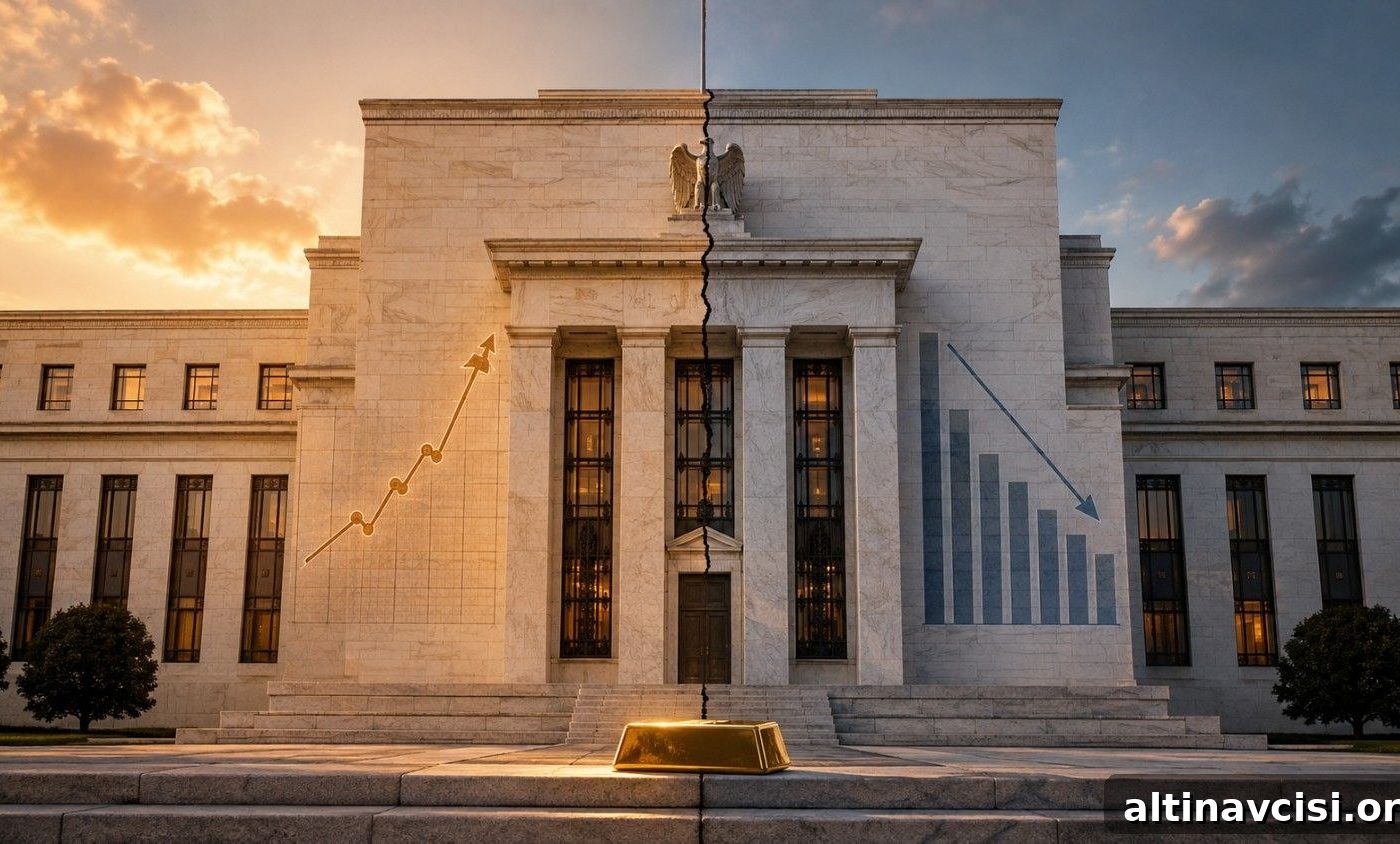
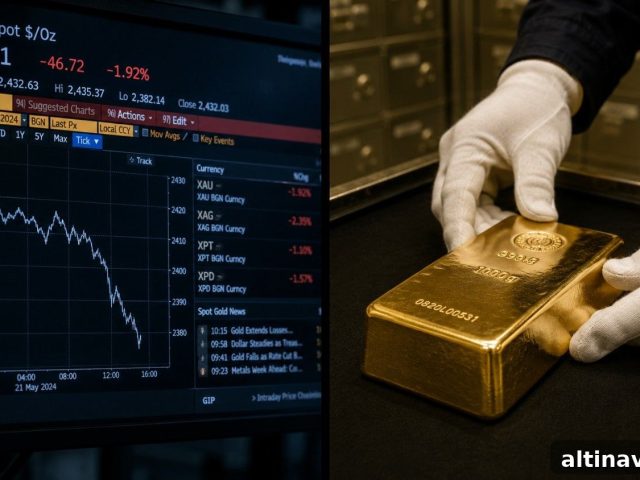
For the past six months the Federal Reserve had been singularly focused on one objective: bringing inflation down. This morning that focus shifted. After the Bureau of Labor Statistics reported the U.S. economy lost 23,000 jobs in July, gold jumped to $4,355 per ounce — a seven‑week high. It was not a geopolitical truce, a central bank pronouncement or an announced policy change that moved markets; it was one data release that reopened the Fed’s dual mandate of price stability and maximum employment.
What Happened With the July Jobs Report?
The Bureau of Labor Statistics released the July employment figures at 8:30 a.m. ET on August 7. The headline: payrolls declined by 23,000 jobs for the month. That result stood in contrast to the consensus expectation among economists surveyed prior to the release, who had anticipated job gains. On top of the headline miss, the BLS revised May and June payrolls down by a combined 103,000, meaning July became the first outright monthly job loss after revisions trimmed recent gains.
The unemployment rate edged down to 4.1%, but that improvement largely reflected a falling participation rate rather than a surge in hiring. Several market strategists and economists have noted that the combined pattern of weak payrolls and downward revisions signals persistent downside pressure in the labor market rather than an isolated data anomaly.
The Edge Every Investor Needs
Smarter precious metals investing starts here. The Nuggets Newsletter delivers market insights, Fed developments, global trends and educational content straight to your inbox.
Sign up on our site to receive timely market alerts and weekly analysis about gold, silver and monetary policy.
Why Does a Jobs Miss Push the Gold Price Higher?
The movement in gold after a weaker jobs report operates through the Federal Reserve’s mandate and the market’s expectations about interest rates. The Fed must balance two objectives: price stability and maximum employment. When payrolls were consistently strong earlier this year, policymakers could prioritize fighting inflation with higher interest rates. With a resilient labor market, the economic cost of tighter policy looked manageable.
A labor market that stops expanding or starts contracting changes that calculus. Markets quickly reassessed the chances of a September rate hike: probability of a 25-basis-point increase fell materially after the jobs release, while the likelihood of the Fed holding steady rose. When investors scale back rate‑hike expectations, real (inflation‑adjusted) yields tend to fall. Lower real yields make non‑yielding assets such as gold relatively more attractive compared with yield‑bearing Treasury securities. That drop in real yields is the immediate mechanism behind gold’s rapid move higher.
What Does This Mean for Investors Watching the Fed?
As one portfolio manager summarized, before today many investors believed the Fed would need to keep raising rates to tame persistent inflation because the job market appeared robust. This report undermines that assumption. If the labor market weakens while inflation stays above target, the Fed faces a difficult tradeoff: hiking rates risks deepening the economic slowdown, while pausing or easing too soon risks rekindling price pressures.
That tradeoff matters for asset allocation. Gold doesn’t require an immediate rate cut to rally; it benefits when the Fed’s ability to hike aggressively is constrained. In other words, a Fed that must tolerate higher inflation because the labor market is fraying creates a macro backdrop—lower real yields and greater uncertainty—that supports higher gold prices over the medium term.
Investor implication: Gold gains from the Fed being unable to pursue aggressive rate hikes. The July jobs report accentuated that constraint, creating a structural support under gold prices.
The Second Corner: A Two‑Variable Problem Is Structurally Different
Many headlines will focus on the immediate repricing of rate‑hike odds. But the deeper shift is structural. For months, supply‑side pressure on energy markets — especially risks around shipping through the Strait of Hormuz — kept inflation elevated in ways that made the Fed’s task look like a single‑variable problem: lower inflation by raising rates. The committee’s statements and the so‑called dot plot reinforced that single‑minded approach.
Today’s employment data pulls the labor variable back into view. A one‑variable problem admits a clear policy path — persistently higher rates until inflation cools. A two‑variable problem offers no tidy solution: the Fed cannot simultaneously prioritize a weakening labor market and bring inflation rapidly back to target without imposing pain on households and businesses. That dynamic reduces the urgency of further hikes and lengthens the horizon over which accommodative or neutral policy might prevail — an environment in which gold tends to perform well over the next six to eighteen months, not merely during a single trading session.
Importantly, the structural rationale for holding physical precious metals outside the financial system is unchanged. Today’s jobs data simply makes it harder for policymakers to follow the aggressive tightening path that had been the principal short‑term headwind for gold.
What Should Investors Watch Next?
Key near‑term data and policy dates will determine whether the market’s repricing continues. The July Consumer Price Index is scheduled for August 12; if CPI remains elevated while payrolls weaken, the Federal Reserve’s policy tradeoff tightens further. Watch the September 16 FOMC meeting for any change in the committee’s composition of hawkish versus dovish views. Also monitor the 10‑year Treasury yield—its intraday move lower this morning reflected the immediate shift in rate expectations; further compression would signal more room for gold to advance.
Stay On Top of Gold & Silver Prices
Receive concise market alerts and weekly analysis delivered by email.
SOURCES
1. Bureau of Labor Statistics — Employment Situation Summary — July 2026 (USDL-26-1291).
2. CNBC coverage of market reaction to the July jobs release and its impact on Fed hike odds (August 7, 2026).
3. CME Group — FedWatch tool measuring market‑implied FOMC rate probabilities.
4. Market commentaries and pricing data from industry price charts for gold and silver.
Disclaimer: This article is for informational purposes only and does not constitute investment advice. Past performance is not indicative of future results. Consult a qualified financial advisor before making investment decisions.
You May Also Like:
- The Jobs Report Did What Iran Couldn’t: Move Gold and the Fed in the Same Direction
- China Has Been Buying Gold for 20 Straight Months. Now It’s Moving It.
- Trump’s Polysilicon Tariff Just Hit Silver’s Biggest Industrial Customer
- Gold Rallied 6% This Week. Tomorrow One Number Decides Whether It Holds.
- Why Is Silver Outperforming Gold? A 6‑Year Deficit
- Hormuz. ISM. Hecla. Barrick. Five Things Moved Gold and Silver Today.
- Jobs Missed. Gold Hit $4,200. Silver Hit $62.
Popular Topics
Picked from the archive
-
01
 Topics
Silver Drops 1.4% as Gold Holds; Ratio Reaches 70:1
-
02
Topics
BEA Removed Silver From GDP: What It Means
-
03
Topics
Gold and Silver Prices Jump Amid Strait of Hormuz Tensions
-
04
Topics
Gold Price Falls Before US Market Opens
-
05
Topics
Which Countries Hold the Most Gold Reserves?
-
06
Topics
Gold Price Falls Today: Why $4,500 Holds as Support
-
07
Topics
Markets Eye Friday CPI as Credit Card Debt Reaches Record High
-
08
Topics
Gold Drops as China Buys Most in 17 Months