JPMorgan Cuts Gold Forecast 25%: Impact for Long-Term Holders
Key Takeaways
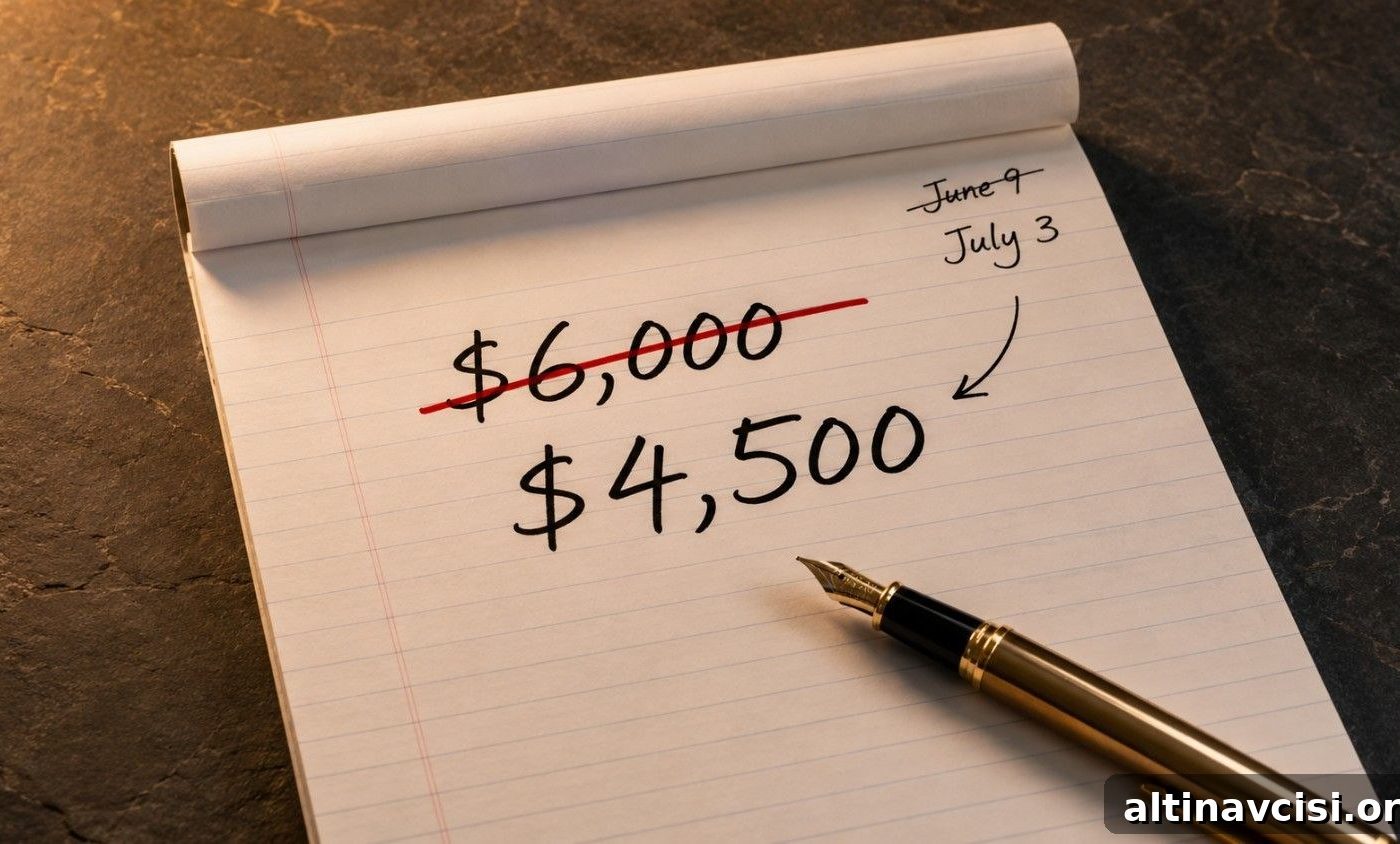
- JPMorgan cut its Q4 2026 gold forecast by 25% on July 3, lowering the target from $6,000/oz (issued June 9) to $4,500/oz and projecting a Q3 average near $4,300/oz.
- The revision reflects near-term sensitivity to US real yields: JPMorgan estimates gold drops roughly $20/oz for each 1 basis-point rise in 10‑year real yields since late February 2026.
- A downside scenario — gold breaking below $4,000 and testing $3,500–$3,600 — would require both hotter-than-expected summer data and an earlier Fed rate hike; JPMorgan calls this a tail risk, not its base case.
- JPMorgan maintains its long-term structural bullish view. The bank expects renewed upward momentum in 2027 driven by central bank diversification and a reversal in real yields.
- Other major banks remain more optimistic: Goldman Sachs, Bank of America, Deutsche Bank, Morgan Stanley (upside), and UBS all project higher targets than JPMorgan’s Q4 figure.
- JPMorgan also updated non-gold metals: silver $60–$65/oz as markets normalize from 2025 tightness; platinum around $1,800/oz by year-end; palladium near $1,350/oz by year-end.
On June 9, 2026, JPMorgan told clients to expect gold near $6,000 per ounce by year-end. On July 3, the bank revised that view downward by roughly 25%, cutting the Q4 target to $4,500/oz. That sharp revision produced polarized headlines, but the important detail is the why: what changed, and how should investors interpret it?
Why Did JPMorgan Cut Its Gold Forecast?
JPMorgan pointed to two converging developments: weaker demand from key buyers and a renewed sensitivity of gold to US real interest rates. On demand, the bank revised its 2026 gold ETF outlook from sizable net inflows to a modest net outflow and trimmed central bank and retail demand assumptions. On rates, gold’s correlation with real yields reasserted itself after late‑February 2026, with JPMorgan estimating a roughly $20/oz decline in gold for each 1 basis‑point rise in 10‑year real yields.
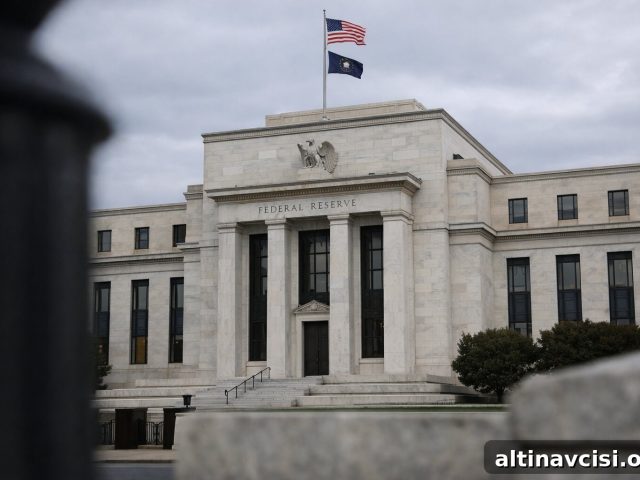
The June Federal Reserve meeting and the new Fed chair’s initial communication played a role in the market reaction. Even without a policy rate change, changes in guidance and the perceived path of future rates pushed real yields higher, which in turn created a near‑term cap on gold prices. JPMorgan’s revision quantifies that connection rather than signaling a permanent structural reversal.
What Does JPMorgan’s New Gold Price Target Actually Mean?
The bank now expects gold to average about $4,300/oz through Q3 2026 and to average $4,500/oz in Q4 2026, describing the near term as range‑bound. That position places JPMorgan at the more cautious end of the street: other major firms have higher targets, with several projecting prices in the $4,800–$5,200/oz area over Q4 or the next 12 months. This divergence reflects different assumptions about ETF demand, central bank purchases, and the path of real yields.
To put current prices in context: the metal traded substantially below January 2026 highs after a significant correction. JPMorgan’s figures represent a sensible recalibration given their rate‑sensitivity model and revised demand assumptions, but they are one view among several reputable institutional forecasts.
Could Gold Really Fall to $3,500?
JPMorgan outlines a plausible downside path: if summer economic data prints hotter than expected and the Fed moves to hike sooner than markets currently anticipate, a decisive break below $4,000 could trigger technical selling and push prices into the $3,500–$3,600 zone. Both conditions must occur together for that tail outcome to unfold. JPMorgan’s own base case does not assume a 2026 rate hike, so the deeper drop is presented as a low‑probability scenario rather than the central forecast.
What Is JPMorgan’s Long-Term Gold Outlook?
Despite the near‑term downgrade, JPMorgan keeps its long‑term bullish thesis intact. The bank expects a renewed upward cycle in 2027 driven by structural forces: ongoing geopolitical fragmentation, central bank reserve diversification away from single fiat currencies, and the eventual normalization or decline of real interest rates. In other words, the rate‑driven headwind that reduced near‑term upside could reverse, and the same sensitivity that removed roughly $20/oz per basis point when yields rose would add comparable value when yields fall.
The revision therefore reads as an adjustment to timing and entry points rather than a change to the fundamental case for holding physical precious metals.
How Does JPMorgan’s Silver Forecast Change?
JPMorgan projects silver averaging $60–$65/oz as markets move away from the unusually tight supply conditions seen in 2025. The bank’s outlook assumes some normalization in industrial demand and a return toward historical gold‑to‑silver ratios. Given silver’s dual role as an industrial and monetary metal, recovery toward that range would reflect reduced supply stress and stabilization in industrial consumption patterns.
Silver’s fundamentals remain partly driven by industrial use—solar and electronics demand are material drivers—so ongoing efficiency and substitution in manufacturing can moderate demand growth even as the market returns from a deficit environment.
What Are JPMorgan’s Platinum and Palladium Forecasts?
JPMorgan expects platinum near $1,800/oz by year‑end 2026 (with upside into 2027) and forecasts palladium around $1,350/oz by year‑end 2026. The firm applies the same rate‑sensitivity framework across the precious metals complex: a near‑term cap while real yields are elevated, followed by structural support if yields decline and supply fundamentals reassert themselves.
What Does This Mean for Long-Term Precious Metals Holders?
For long‑term holders, JPMorgan’s cut is primarily a timing and valuation update. It quantifies a cyclical effect tied to real yields that can reverse. The bigger question for investors is whether the structural drivers of central bank buying, fiscal expansion, and diversification away from dominant fiat reserves have changed. JPMorgan’s research does not argue that those long‑term forces have disappeared.
Market participants should treat JPMorgan’s forecast as one input among several: it highlights rate sensitivity and possible short‑term downside risks, while also reaffirming a multi‑year bullish case if real yields normalize and geopolitical uncertainty persists.
The Knowledge That Changes Everything
Two essential guides — yours free. Understand why gold matters and why fiat currencies often fail.
Stay On Top of Gold & Silver Prices
Get important market alerts sent straight to your inbox.
People Also Ask
Why did JPMorgan cut its gold price forecast for 2026?
JPMorgan reduced its Q4 2026 gold target to $4,500/oz, citing weaker demand from ETFs, retail bars and coins, and reduced central bank net purchases, alongside a renewed link between gold and US real yields. The bank quantifies that link and attributes the near‑term downward pressure to rising real yields after late February 2026.
What is JPMorgan’s current gold price target for Q3 and Q4 2026?
JPMorgan expects an average near $4,300/oz through Q3 2026 and $4,500/oz in Q4 2026, after lowering its earlier $6,000/oz year‑end forecast.
Could gold fall to $3,500 per ounce?
That level is described by JPMorgan as a tail risk. It would require hotter economic readings and an earlier Fed tightening than currently priced by markets, triggering technical selling that could push prices into the mid‑$3,000s.
Does JPMorgan still have a long-term bullish view on gold?
Yes. JPMorgan maintains a structural bullish view and expects a renewed upcycle in 2027 driven by geopolitical fragmentation, central bank diversification, and eventual real yield normalization.
How does JPMorgan’s gold forecast compare to other major banks?
JPMorgan’s $4,500 Q4 target is more conservative than several other major institutions, which forecast a range generally between $4,800 and $5,200/oz for Q4 or the next 12 months. This spread highlights differing assumptions about demand and the rate outlook.
SOURCES
Reuters (JPMorgan note, July 3, 2026); reporting and market notes from July 2026 summarizing bank forecasts and Fed communications; industry surveys and public reports on silver demand and supply conditions as of 2025–2026.
Disclaimer: This article is for informational purposes only and does not constitute financial or investment advice. Consult a qualified financial adviser before making investment decisions.
You May Also Like:
- Why HSBC Still Believes Gold Hits $4,750 by Year-End (And What the Mainstream Is Missing)
- State Street Predicts $5,500 Gold by Q1 2027: Is the Dip Over?
- Why China’s Gold Buying Spree Outweighs India’s Pause
- What Is Purchasing Power — and Why Every Dollar You Save Is Slowly Being Taxed Away
- Why Hong Kong? Inside Offshore Gold Storage Networks
- Silver Price Outlook July 2026: Two Catalysts, One Setup
- Why the 10-5-3 Rule Fails Gold and Silver Investors
Popular Topics
Picked from the archive
-
01
 Topics
Gold Price Cycles Explained: A Four-Time-Horizon Framework
-
02
Topics
Gold Repricing Underway: 5 Major Institutions Confirm
-
03
Topics
How Dalio, Buffett and Jim Rogers Invest in Gold
-
04
Topics
How Gold Prices Move During a US Dollar Crash
-
05
Topics
5 Factors That Drive Gold Spot Prices
-
06
Topics
August CPI: Sticky Inflation Unlikely to Stop Fed Rate Cuts
-
07
Topics
Institutions Are Buying as Bond Yields Rise: What It Means
-
08
Topics
Why a Stalled Federal Reserve Matters for Gold Prices