China’s Biggest Gold Buy Since 2023 as Prices Fall 16%
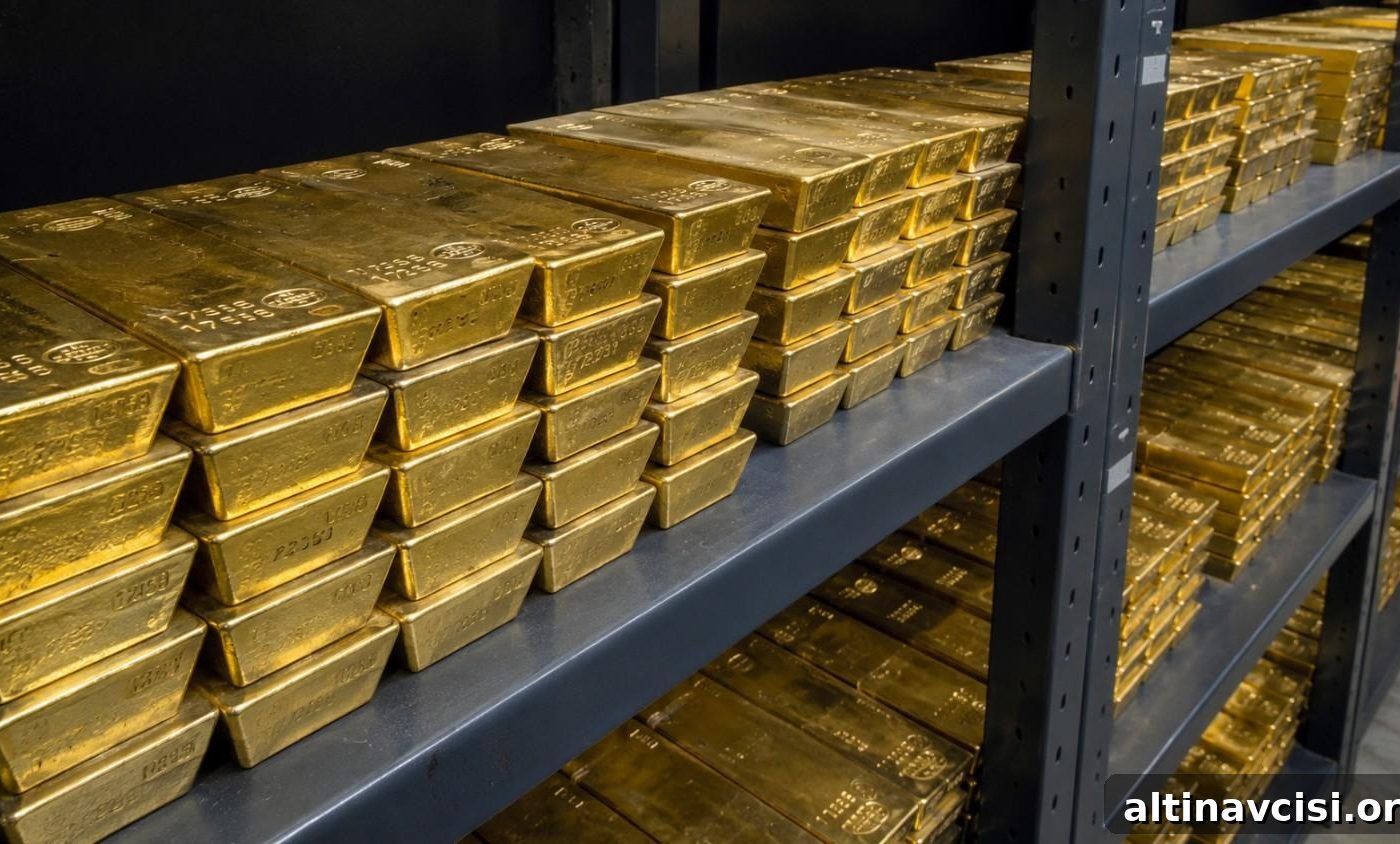
China’s central bank has published its June 2026 gold reserve update. The People’s Bank of China added 480,000 troy ounces of gold in June 2026 — roughly 14.93 tonnes, according to the State Administration of Foreign Exchange on July 7, 2026. That is the largest single-month purchase recorded since 2023 and extends the PBoC’s buying streak to twenty consecutive months, the longest uninterrupted run in at least a decade.
On July 7, 2026, the spot gold price sat near $4,122 per ounce, about 26% below the all-time high of $5,589 reached on January 28, 2026. During June, when the PBoC made this purchase, bullion dipped to roughly $4,002 — its weakest level since November 2025. The quarter ending June marked gold’s worst three-month stretch since 2013, with prices falling roughly 16% over that period.
PBoC Monthly Gold Purchases (Mar–Jun 2026, tonnes) | Source: SAFE, World Gold Council
The speed and scale of purchases are notable. In May 2026 the PBoC reported buying 9.95 tonnes, the largest monthly addition since December 2024. One month later that monthly total climbed to 14.93 tonnes — a roughly 50% increase month-over-month — even as gold was trading near the lows of a historic quarterly decline. That contrast highlights an important distinction between short-term market traders and long-term reserve managers.
Central banks allocate reserves with multi-decade horizons rather than seeking to time quarterly price moves. A reserve manager at the PBoC is not reacting to the same signals as a futures trader in Chicago; the guiding question is whether a reserve composition will preserve purchasing power across decades, not whether gold will outperform this quarter. At a price near $4,000 per ounce, purchases that look tactical to some are strategic for institutions focused on long-term resilience.
The Gold Reserve Gap That Explains the Streak
China currently holds less than 10% of its foreign exchange reserves in gold, according to the World Gold Council. By contrast, the United States and countries like Germany hold a far larger share — roughly 70% in the U.S. case — in gold relative to total reserves. That difference is not a short-term target for Beijing to fill in months; it reflects a structural rebalancing that could span decades.
That structural gap helps explain why the PBoC continued buying even as gold experienced its worst quarter in thirteen years. The price paid in June 2026, somewhere in the $4,002–$4,165 range, will look like a relatively small variable against a 20–30 year horizon. Global central banks have accelerated buying in recent years: since 2022 central bank purchases have averaged roughly 1,000 tonnes per year, about twice the pace of the previous decade, according to the World Gold Council’s 2026 survey of reserve managers.
Juan Carlos Artigas, Regional CEO for the Americas and Global Head of Research at the World Gold Council, notes that gold has historically rebounded after pressure around $4,000, driven by sustained demand from long-term institutional buyers across regions. The WGC survey of 76 reserve managers also found broad consensus: 89% of respondents expect global central bank gold holdings to rise over the next twelve months.
The second corner: who is buying tells you something
A frequently overlooked headline is the identity of the buyer. The institution making these purchases manages one of the world’s largest pools of official reserves and oversees China’s primary alternatives to dollar-denominated assets. The PBoC’s motivations differ from those of a pension fund or hedge fund: gold provides attributes that other reserve assets do not — immunity to sanctions, freedom from counterparty obligations, and the practical impossibility of being frozen. Those qualities make gold uniquely attractive as a reserve asset outside the global dollar system the PBoC is consciously reducing exposure to.
Individual investors, while operating on a much smaller scale, face a comparable logic. Physical gold, held outright and allocated within a portfolio, requires no counterparty and no permission. The PBoC’s June purchase serves as a reminder that some of the most experienced reserve managers are actively reshaping allocations today rather than waiting for central bank policy outcomes to unfold.
What to watch
Key data points to monitor in the coming weeks will influence both market psychology and the macro backdrop for gold. The next SAFE release, covering July purchases, is due in early August. Before then, U.S. inflation data for June (CPI) is scheduled for July 14 — the most consequential data point ahead of the Federal Reserve’s July 29 meeting. If energy-driven inflation moderates meaningfully, odds of further Fed hikes by September could fall, easing the real-yield headwind that has pressured gold. Even so, the PBoC’s sustained buying has persisted through numerous Fed communication cycles since November 2024 and is likely to continue regardless of short-term policy noise.
SOURCES
1. Bloomberg — China’s PBoC Buys Most Gold Since 2023 as Bullion Swings, July 7, 2026
2. South China Morning Post — China Extends Gold-Buying Binge to 20th Month, July 7, 2026
3. Investing.com — China’s Central Bank Adds Gold for 20th Consecutive Month, July 7, 2026
4. World Gold Council — Central Bank Gold Reserves Survey 2026
5. World Gold Council — Gold Mid-Year Outlook 2026, July 1, 2026
6. Bloomberg — China’s PBoC Adds Gold Again as Bullion Remains Under Pressure, June 7, 2026
7. GoldSilver.com — Live Gold and Silver Spot Prices, July 7, 2026
Disclaimer: This article is for informational purposes only and does not constitute financial or investment advice. Always consult a qualified financial adviser before making investment decisions.
You May Also Like:
- Iran Struck the Mediator’s Tanker. Gold Fell. The Funeral Ends Thursday.
- BofA Says the Stock Market Is About to Snap Back. Gold Is Down 3% This Year. Do the Math.
- Warsh Sat Out the Dot Plot. The FOMC Minutes Drop Wednesday.
- Gold Digest: Five Institutions Just Said the Same Thing About the Selloff
- Gold Hits 3-Week High as Fed Hike Odds Halve on Jobs Miss
- The Jobs Report Missed. The Unemployment Rate Fell Anyway. Gold Didn’t Buy It.
- Gold Jumps 2.5%, Silver Surges 3.85% as Rate-Hike Bets Unwind Ahead of Jobs Report

The Edge Every Investor Needs
Smarter precious metals investing starts here. The Nuggets Newsletter brings essential market insights, Fed updates, global trends, educational videos, and more.
Popular Topics
Picked from the archive
-
01
 Topics
401(k) Rollover to a Gold IRA: Step-by-Step Guide
-
02
Topics
Gold Price Hits $4,200: What This Means for Investors
-
03
Topics
France Completes Gold Repatriation, Germany Set to Follow
-
04
Topics
How to Sell Gold and Silver Safely and Avoid Scams
-
05
Topics
Silver Price Nears $50: Will It Break Its All-Time High?
-
06
Topics
Gold vs. Stocks 2026: Q1 Returns Investors Need to Know
-
07
Topics
Silver Squeeze Pushes Silver Prices Above $51
-
08
Topics
Moody’s: 50% of U.S. Industries Cutting Jobs Amid Recession Risk