How Profit Booking Works in Gold and Silver
Key Takeaways
- Profit booking in gold and silver refers to selling positions to lock in gains after a price rise — the same concept as “profit taking” in other markets.
- Profit booking typically produces temporary price dips rather than a structural reversal of a bull trend. The long-term reasons to hold gold and silver usually remain unchanged.
- Silver often sees harsher profit-booking episodes than gold because its market is smaller by daily trading value and tends to carry greater speculative leverage.
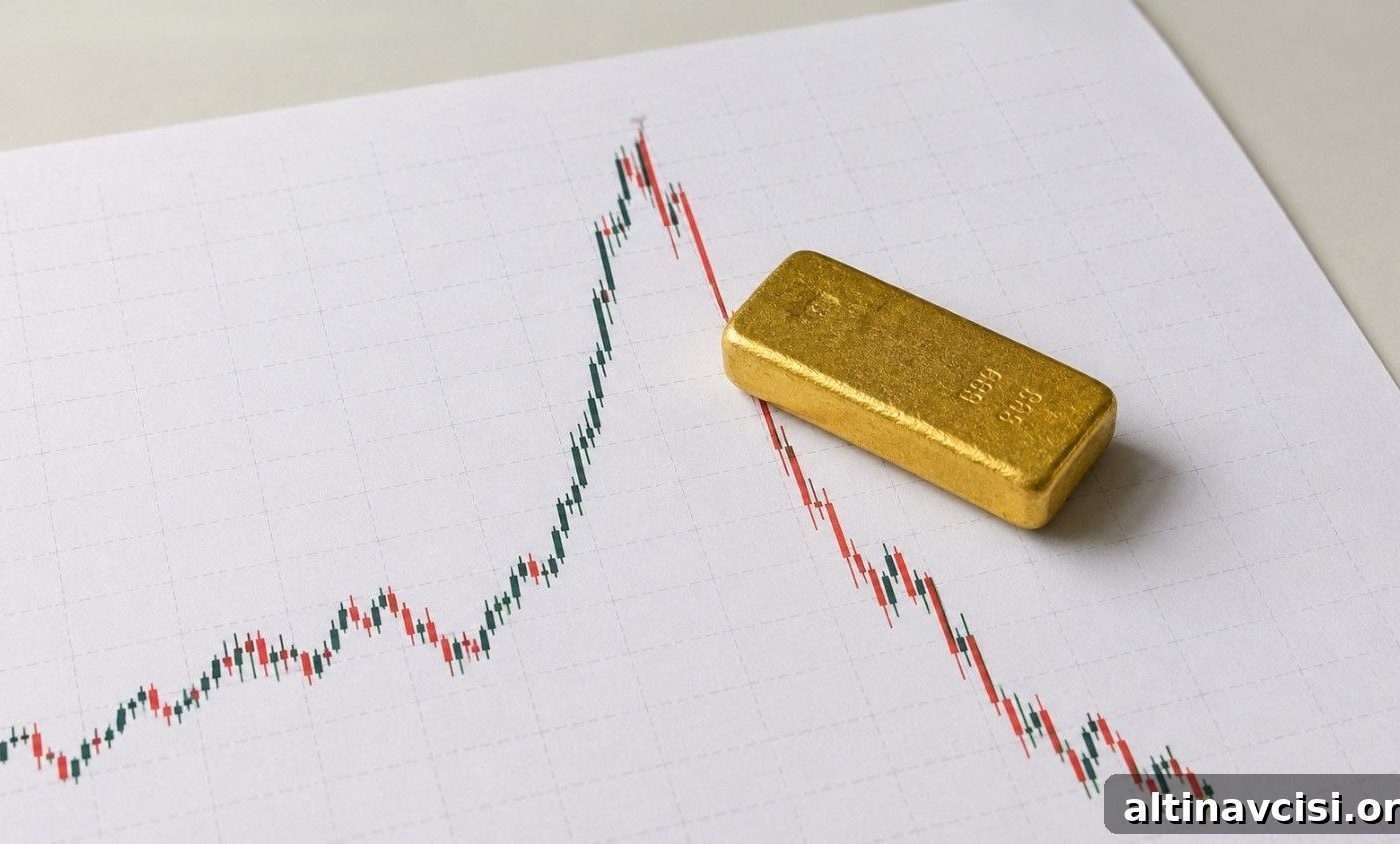
- On January 30, 2026, concentrated profit booking produced one of the biggest single-session selloffs in decades: gold fell roughly 12% on the session and silver experienced an intraday decline near 35%.
- For long-term holders, corrections driven by profit booking often present the most reliable opportunities to accumulate during a structural bull market.
Profit booking in gold and silver simply describes traders selling holdings to convert paper gains into cash after a strong rally. Whether those sellers are short-term traders, momentum funds, or leveraged accounts, their activity represents timing decisions rather than a change in conviction about the metals’ long-term roles.
Although the phrase has origins in Indian commodity markets — used frequently on the MCX and NSE — the behavior is universal across major markets: COMEX in New York, the London spot market, and futures exchanges in Asia. The mechanism is straightforward: concentrated selling within a short period can push prices well below their underlying fundamental value. In futures markets, where leverage is common, initial selling can trigger margin calls and stop-loss orders that amplify downward pressure into a cascade. Once the speculative excess clears, prices typically stabilize and the structural reasons to hold gold and silver remain intact.
What Causes Profit Booking in Gold and Silver?
Profit booking does not mean investors have lost faith in gold’s or silver’s monetary role. It reflects the behavior of specific market participants—mainly short-horizon traders and leveraged accounts—who decide to exit positions after a sharp rally. Several conditions tend to concentrate profit-booking activity:
Milestone price levels. When prices reach round-number or psychologically significant levels, traders who bought earlier often see those levels as natural exits. Sell orders can cluster near these thresholds and trigger further selling as stop-loss orders cascade.
Margin requirement increases. Exchanges sometimes raise margin requirements for futures contracts. Higher margins force highly leveraged traders to either post more capital or close positions, and forced liquidations add to voluntary profit taking, amplifying downward moves.
Macro or geopolitical shifts. Gold and silver often embed a risk premium tied to geopolitical tension or central bank policy. When such catalysts ease — for example, diplomatic progress or a change in monetary rhetoric — the premium can unwind and position holders sell.
Technical overbought signals. Momentum indicators like the Relative Strength Index (RSI) can signal that a rally is stretched. Systematic strategies and momentum traders will reduce exposure when these signals surface, and mechanical selling by these strategies can prompt further exits from other participants.
None of these triggers inherently change the structural case for holding physical precious metals. They describe short-term trading dynamics that temporarily flood the market with supply.
The Knowledge That Changes Everything

Two essential guides — yours free. Understand why gold matters and the long-term risks of fiat currency debasement.
Why Does Profit Booking Cause Such Sharp Price Drops?
The key driver is leverage combined with cascading liquidations. Futures contracts let traders control large exposures with relatively small initial margin. When prices reverse, leveraged long positions can trigger margin calls. Traders unable to post more collateral must sell, adding to the initial wave of profit-taking. As prices decline further, stop-loss orders from other participants execute, accelerating the fall. That cascade can temporarily produce price moves much larger than underlying fundamentals would warrant.
A clear example occurred at the end of January 2026. Gold reached a fresh record high on January 28, 2026, and within days a major shift in market expectations coincided with concentrated selling. On January 30, 2026, gold futures fell about 12% on the session and silver experienced an intraday drop near 35% — among the steepest single-session declines in decades. Exchanges subsequently raised margin requirements to contain volatility. Despite the sharp correction, central bank buying and fiscal dynamics continued to support the structural case for precious metals; the drop reflected forced and concentrated liquidations rather than a long-term loss of demand.
Why Does Silver See More Severe Profit Booking Than Gold?
Silver tends to experience sharper and faster corrections for several structural reasons:
Smaller market size. By daily trading value, the silver market is considerably smaller than gold’s. The same quantity of selling moves silver proportionally more.
Higher baseline volatility. Silver historically shows higher annualized volatility than gold, meaning price cascades accelerate more quickly and produce larger swings.
Dual demand drivers. Silver faces both investment demand and substantial industrial demand. When economic growth concerns emerge alongside speculative selling, both investment and industrial signals can turn negative at the same time, intensifying price declines. Gold lacks a comparable industrial demand component, which moderates its drawdowns relative to silver.
These characteristics make sharp periodic drawdowns a recurring feature of the silver market. They do not, by themselves, invalidate a long-term supply-demand thesis; they reflect how a smaller, more leveraged market clears speculative positions.
Is Profit Booking a Sign That the Gold Bull Market Is Over?
No. Profit booking episodes typically remove speculative excess without altering the core supply-demand dynamics that sustain a structural uptrend. During the 2026 correction, for example, central banks continued to buy significant quantities of gold, indicating persistent institutional demand. These ongoing purchases suggest that long-term buyers did not interpret the correction as a breakdown of gold’s monetary role.
What profit booking does change is price level and sentiment in the short term. When leveraged positions unwind, physical metal becomes available at prices set by trader distress rather than long-term conviction. Savvy long-term investors often view such periods as discounted entry points if the underlying fundamentals remain intact.
What Is the Difference Between Profit Booking and a Bear Market?
Profit booking is usually a short-term, often sharp decline driven by sellers locking in gains. A bear market represents a sustained, multi-month or multi-year decline stemming from a genuine change in the investment thesis. Key distinctions include duration, breadth of fundamental change, and behavior of long-term buyers. Profit booking events are brief, feature volume spikes on down days, and typically resolve as longer-term demand absorbs the sell-side. A bear market involves deterioration in fundamental drivers — for example, a sustained rise in real yields that increases the opportunity cost of holding non-yielding gold.
What Does Profit Booking Mean for Long-Term Gold and Silver Holders?
For holders of allocated physical metal, profit booking is mostly background noise. Physical holdings do not face margin calls, so the mechanics forcing leveraged traders to sell do not apply. Historically, corrections caused by profit booking have been attractive accumulation windows during structural bull markets.
No margin calls on allocated metal. Physical bullion held outside of leveraged markets isn’t subject to the forced liquidation dynamics that drive dramatic intraday price moves.
Corrections create opportunities. Periodic pullbacks can offer lower entry prices for patient buyers while the structural drivers remain intact.
Understanding reduces emotional reaction. Recognizing that sharp dips are often driven by short-term leverage and technical flows can prevent panic selling and support disciplined, long-term allocation decisions.
Stay On Top of Gold & Silver Prices
Receive market alerts and updates by email.
Subscribe to updates: form removed in this version.
People Also Ask
Why does profit booking cause gold prices to fall?
Profit booking increases sell-side pressure when traders lock in gains. In leveraged markets, that selling can trigger margin calls and stop-loss orders, producing a cascade of forced sales that amplifies the price decline beyond what fundamentals alone would cause.
Does profit booking mean gold is overvalued?
Not necessarily. Profit booking is driven by traders realizing gains after buying at lower prices, not by a consensus that gold’s fundamental value has fallen. Central bank buying, fiscal deficits, and negative real yields are independent structural factors that can continue to support prices despite temporary profit-taking events.
Why does silver fall more than gold during profit booking?
Silver’s smaller market size, higher baseline volatility, and substantial industrial demand make it more sensitive to concentrated selling. Those features allow the same sell pressure to produce larger percentage moves in silver than in gold.
Should long-term gold holders sell during a profit booking event?
For most long-term physical holders, no immediate action is required. Physical bullion is not subject to margin calls, so the forced-liquidation mechanics driving futures volatility do not apply. Many long-term investors use these corrections as buying opportunities rather than as signals to sell.
SOURCES
1. World Gold Council — Gold Demand Trends (central bank purchasing data, 2025).
2. Silver Institute — World Silver Survey (industrial demand and supply data, 2025).
3. CME Group — Educational material on margin requirements and futures mechanics.
4. Price chart aggregators and exchange reports covering gold and silver price action in 2025–2026.
Disclaimer: This article is informational only and does not constitute financial or investment advice. Consult a qualified financial adviser before making investment decisions.
You May Also Like:
- Gold Technical Analysis: A Complete Investor’s Guide
- The Anatomy of a Premium: Why Gold and Silver Trade Above Spot
- Peak Gold: Why Mine Supply Can’t Keep Pace With Demand
- How Is Gold Taxed When You Sell It? The Collectibles Rule Explained
- Most Gold Storage Isn’t Allocated — How to Check Yours
- Garner’s $3,600 Floor: Is Gold Heading Lower?
- Why Is Gold So Expensive? Five Mechanisms Behind the Price
Popular Topics
Picked from the archive
-
01
 Topics
Warsh Says Inflation Too High but Risk Is Fading, Gold Reacts
-
02
Topics
Gold Price Falls to $4,681 as Iran Ceasefire Ends Today
-
03
Topics
Gold Falls After U.S. Wholesale Prices Surge
-
04
Topics
Factory Cost Index Hits 82.1: Why It’s Driving Gold Prices
-
05
Topics
Gold Steadies After 1.8% Drop as Tariffs Raise Inflation Worries
-
06
Topics
February 2026 CPI Report: Inflation Calm Before Oil Shock
-
07
Topics
Why Silver Dropped 3.3% vs Gold’s 1.6%: The Gap Explained
-
08
Topics
CPI 3.3% and GDP Stalling: Is 2026 Stagflation Coming?