February 2026 CPI Report: Inflation Calm Before Oil Shock
Daily News Nuggets | Today’s top stories for gold and silver investors
March 11th, 2026 | Brandon Sauerwein, Editor
February CPI: A Pre-War Snapshot
The February 2026 Consumer Price Index largely matched expectations, providing a clear snapshot of price trends before recent geopolitical events began to shift the outlook. Headline inflation held at 2.4% year-over-year, with overall prices rising 0.3% on a seasonally adjusted monthly basis. Core CPI, which excludes food and energy, came in slightly cooler than forecast at +0.2% for the month, leaving its annual rate steady at 2.5%.
Beneath the headline numbers the components told a familiar story: food prices rose 0.4% for the month and were up 3.1% year-over-year, while shelter continued to creep higher with a 0.2% monthly increase. Used car prices continued to decline, falling another 0.4% in February. Energy showed a modest monthly increase of 0.6% — led by a 3.1% rise in natural gas and a 0.8% uptick in gasoline before seasonal adjustment.
Crucially, all of this data was collected before the U.S.-Israel strikes on Iran that began on February 28. That means the dramatic moves in oil and gasoline that followed — including a sharp rise in pump prices — are not reflected in February’s figures. Analysts emphasize that much of the inflationary impact from the conflict will show up in the March and April readings instead, making February a useful but incomplete baseline.
Major financial firms have already begun to adjust forecasts in response to higher energy prices. For example, some analysts warn that if oil remains elevated, headline inflation could rise toward 3% by year-end. In short, February’s CPI gives us a pre-war reference point; the inflation story for the coming months is likely to be driven by events that occurred after the data were collected.
The Edge Every Investor Needs
Smarter precious metals investing starts here. The Nuggets Newsletter brings you essential market insights, Fed updates, global trends, educational videos, and much more.
Inflation’s Calm Before the Storm
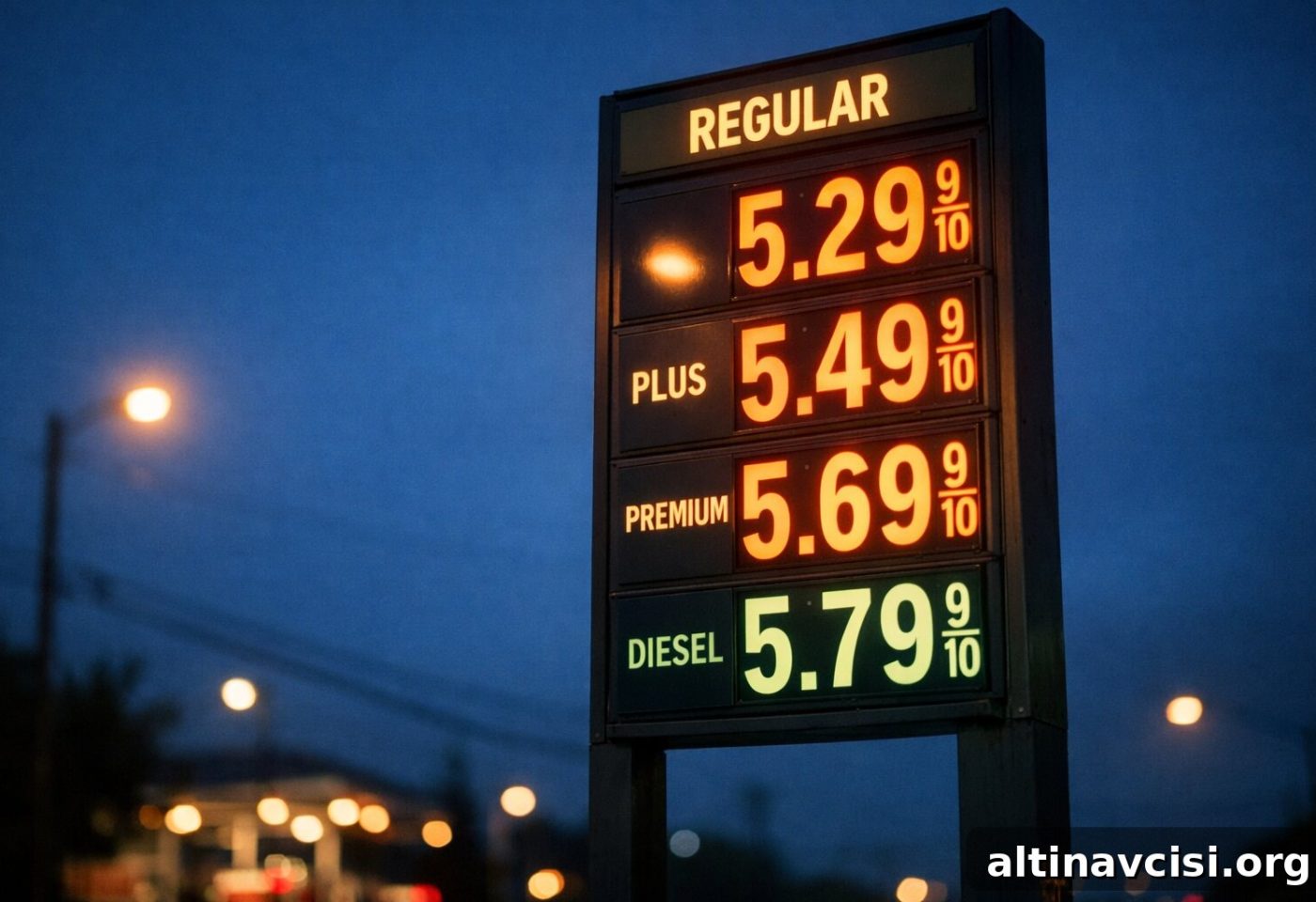
The relative calm in the February CPI numbers may be short-lived. Since the end of February, gas prices jumped nearly 19% in a single month in many regions, and oil volatility has accelerated. Because the CPI data were captured before the conflict with Iran escalated, much of the inflationary impact from supply disruptions and higher energy costs is likely to appear in the March and April reports rather than February.
A central worry is the Strait of Hormuz, a critical shipping chokepoint that handles a large share of Persian Gulf oil exports. Reports of attacks and disruptions in the area have repeatedly created upward pressure on crude prices. In the immediate aftermath of the strikes, oil briefly spiked toward nearly $120 a barrel before trading down toward roughly $85 as market reactions and political comments evolved. Incidents such as projectiles striking commercial vessels have kept risk elevated and the outlook uncertain.
If oil prices remain elevated for an extended period, that would translate into broader price pressures across the economy — from transportation and manufacturing to consumer energy bills. Rising headline inflation would collide with a labor market that shows signs of softening, producing a difficult policy choice for the Federal Reserve: cut rates to support jobs, or hold rates steady to counter a renewed inflation threat.
That trade-off is politically sensitive as well. Higher inflation tends to raise public concern about affordability, which can influence voter sentiment during election cycles. For markets, the question is how the Fed will communicate its assessment and whether it will prioritize inflation control or economic support in the months ahead.
The Bond Market’s Worst Week Since Liberation Day
U.S. Treasuries experienced a sharp rout at the end of February and into early March as the oil shock altered inflation expectations and investor positioning. Yields jumped quickly when the strikes began, reflecting a sudden re-pricing of risk and inflation. The 10-year Treasury yield rose roughly 10 basis points to around 4.03% in one session — one of the largest daily moves since October — while WTI crude posted an extraordinary weekly gain of roughly 35%, the largest weekly move since oil futures trading began in 1983.
Markets are now balancing two countervailing forces: oil-driven inflationary pressure that pushes yields higher, and a weakening economic backdrop that argues for lower yields. That tug-of-war has left institutional investors reweighting portfolios. Some large asset managers have reduced exposure to long-dated Treasuries, while others have shifted toward intermediate maturities as a tactical response to rising uncertainty.
In this environment, volatility across fixed income and inflation-protected securities can create both risks and opportunities for portfolios. Investors are watching breakeven inflation rates, real yields, and central bank signals closely to gauge where interest rate policy may head and how inflation expectations will evolve.
Ray Dalio: “There Is Only One Gold”
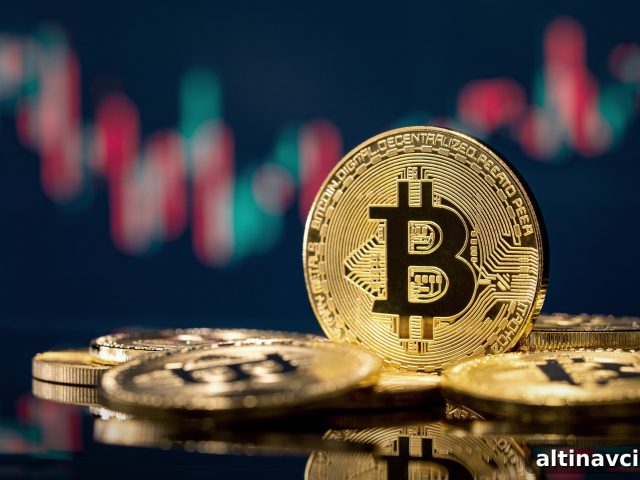
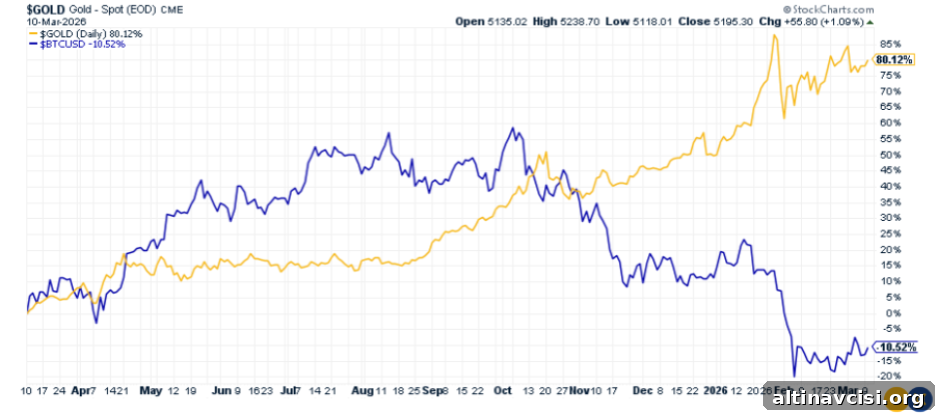
Bridgewater founder Ray Dalio weighed in on the debate over gold versus bitcoin, arguing that the two assets serve fundamentally different roles and should not be treated as interchangeable hedges. Speaking publicly, Dalio emphasized gold’s institutional role: central banks hold large reserves of the metal, while they do not hold bitcoin. That structural distinction, he says, explains why gold tends to perform differently than crypto during market stress.
Performance differences over the past year illustrate the point. Gold has appreciated strongly, while bitcoin and other risk assets have seen varying returns. Dalio’s view is that gold functions as a long-term reserve asset and safe-haven hedge rather than a speculative trade, and investors should consider it as part of a permanent allocation strategy rather than a short-term tactical bet.
He recommends a steady allocation to gold — generally between 5% and 15% of a diversified portfolio — not to chase returns but to provide protection when markets deteriorate. In Dalio’s words: “When the bad times come along, gold does uniquely well.” That emphasis on diversification and capital preservation resonates with investors who seek to manage tail risk in an uncertain global environment.
🗓️ Coming This Week
Key data this week include weekly jobless claims on Thursday and the second estimate for Q4 GDP on Friday. Attention will then turn to the Federal Reserve meeting on March 18, where markets currently expect a high probability of no change in the policy rate. The central question for investors is not simply whether the Fed will move rates, but how it frames the balance between rising inflationary pressures and a softer labor market.
For precious metals, that policy tension often proves constructive. Gold and silver historically perform well in environments where inflation expectations rise while growth slows or becomes uncertain. Investors will be watching Fed commentary, energy markets, and incoming inflation data closely for signals about how the macro picture is evolving.
Stay On Top of Gold & Silver Prices
Get important market alerts sent straight to your inbox.
You May Also Like
- Ray Dalio Says Gold Is Still “The Safest Money”
- The CPI Report and Gold: Why Inflation Data Moves the Metal
- Gold Price Today: Why This Week’s News May Be Bullish for Gold
- Gold Price Outlook: What Could Push Gold to $6,300
- Gold and Silver Prices Today: Iran, Oil, and a $1.3B Bet
Popular Topics
Picked from the archive
-
01
 Topics
Why Gold Belongs in Your Alternative Investment Portfolio
-
02
Topics
Copper Inventories Drop 80% Amid US Tariff Fears, Supply Crisis
-
03
Topics
Crypto Treasury Firms Flood Wall Street in SPAC Gold Rush
-
04
Topics
June Home Sales Drop 2.7% as Affordability Squeeze Worsens
-
05
Topics
Tariff Uncertainty and Fed Outlook Keep Gold Prices Volatile
-
06
Topics
Gold Falls to One-Week Low as Trade Talks Enter Final Days
-
07
Topics
CBO: Trump Tax Law Increases U.S. Deficit by 3.4 Trillion
-
08
Topics
Gold Bulls Await Fed Clarity as Triangle Signals Rally to 3,700