Physical vs Digital Gold: Which Is the Safer Investment?
Key Takeaways
- Gold ETFs, futures, and tokenized products track the price of gold but represent paper claims rather than the metal itself. In a crisis that distinction can be crucial.
- Physical gold carries no counterparty risk: no custodian, fund, or institution stands between you and the asset you own.
- Professional allocated vault storage removes the logistical storage problem, letting you own physical gold with convenience comparable to a brokerage account.
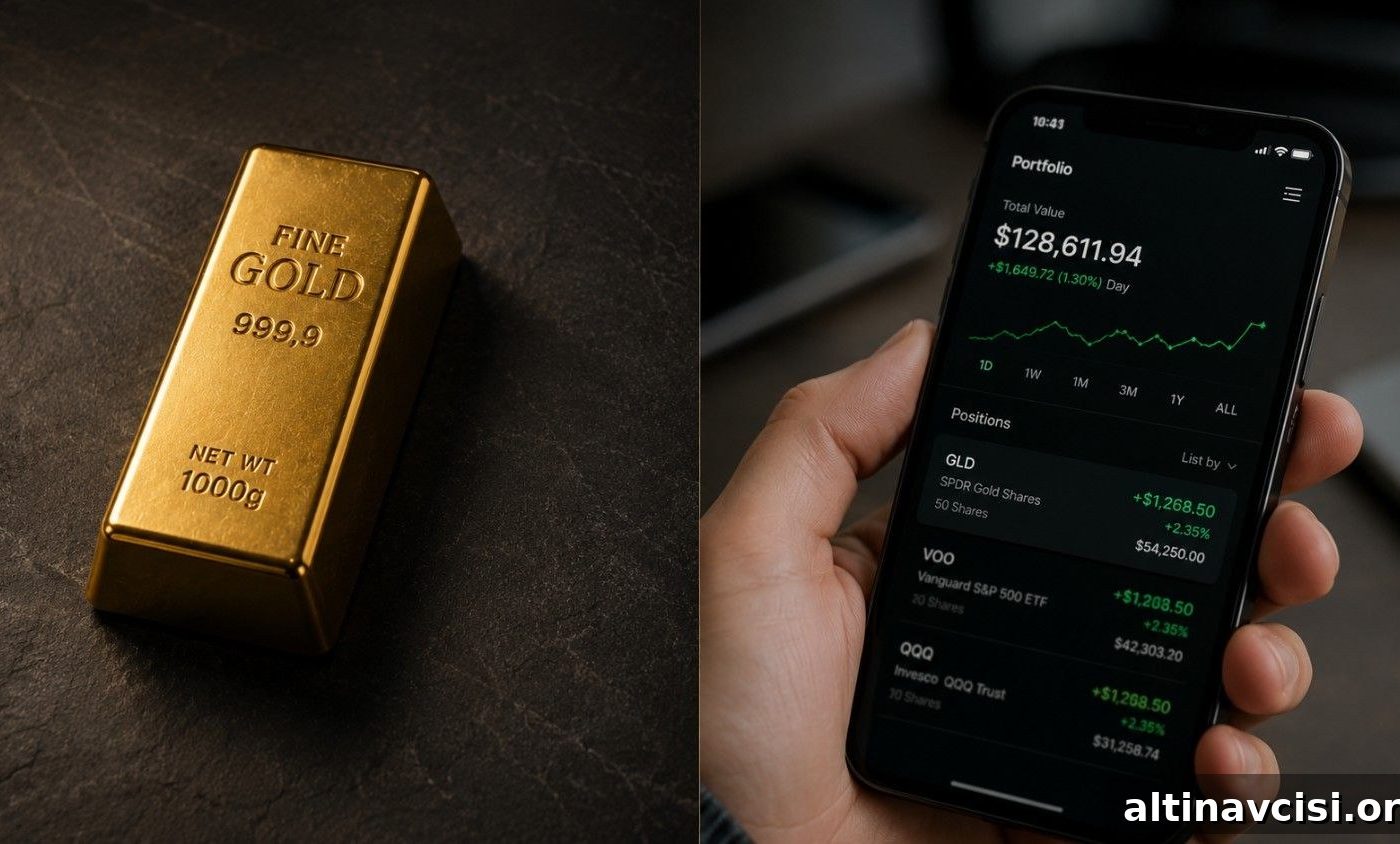
As of May 20, 2026, gold was trading around $4,500 per troy ounce. The conversation about physical gold versus digital gold matters more than many investors realise, because these options are not interchangeable. Both appear on brokerage statements with dollar values, but what you actually control and what survives a severe crisis can be very different. This article isn’t about which option offers higher returns; it’s about what “safe haven” truly means and which forms of ownership deliver it.
What Counts as “Digital Gold”?
The label “digital gold” is used loosely. For clarity, it includes several distinct products:
- Gold ETFs (for example, widely traded funds) hold physical gold in vaults on behalf of shareholders. When you own ETF shares you own a claim on the fund, not direct title to specific bars or coins. Selling the shares delivers cash, not metal.
- Futures and options are contracts based on the price of gold. They are financial instruments used for hedging or speculation; in most cases no physical metal changes hands.
- Tokenized gold products represent gold positions on a blockchain and theoretically correspond to specific ounces in vaults. Redemption rules, custody arrangements, and regulatory frameworks differ widely between providers, and retail redemption for physical metal is often impractical.
- Bank and fintech gold savings accounts often sell “fractional” or unallocated gold—proportional claims against a pooled holding rather than individual, numbered bars.
All of these are paper claims whose value derives from gold. They provide exposure to gold prices, but they are not the metal itself—and that distinction matters when systems are stressed.
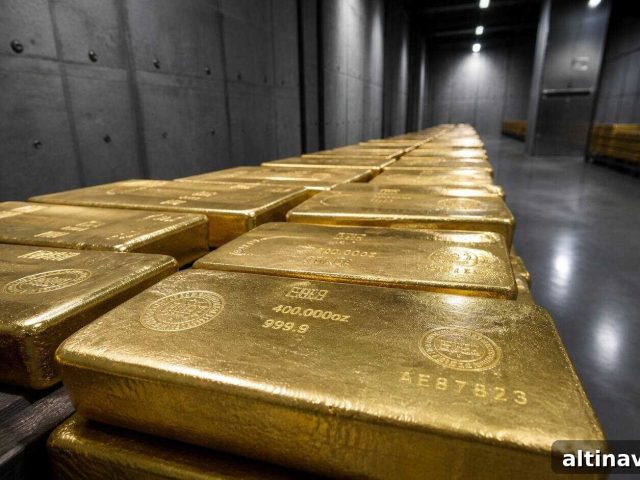
What Physical Gold Actually Is
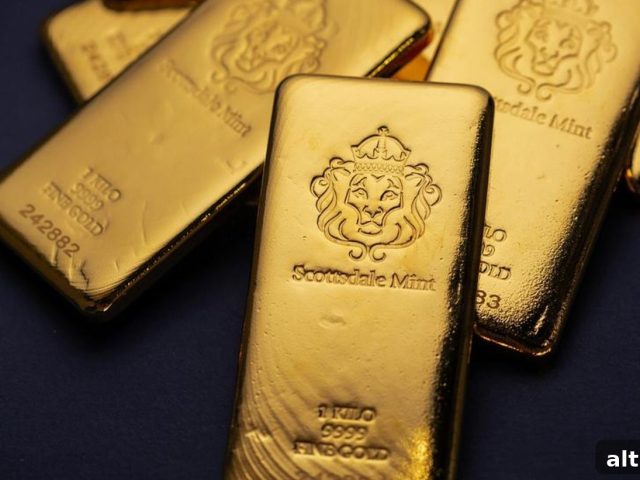
Physical gold refers to the metal: coins, bars, and rounds. A one-ounce American Gold Eagle, for example, contains a guaranteed troy ounce of fine gold (alloyed for durability) and is not a claim on an institution or ledger. It doesn’t depend on a custodian remaining solvent, a blockchain staying online, or a fund maintaining its license. That direct ownership—holding the metal itself—is structurally different from owning a financial instrument tied to gold.
This difference is practical, not merely philosophical, and it becomes most important when markets and institutions face stress.
When Does the Physical vs Digital Gold Difference Matter?
Periods of market stress reveal the divergence between paper and physical gold. In March 2020, during the initial COVID market panic, gold ETFs fell alongside equities as investors rushed to raise cash, while dealer premiums for physical metal rose because the metal became harder to source. A similar pattern occurred in April 2025, with paper gold affected by margin calls and forced liquidations while physical premiums widened sharply.
This is the paper-versus-physical split: paper gold reacts to market mechanics and liquidity pressures, while physical gold reacts to real-world demand for the metal itself. When you need a safe haven most, the two can move in opposite directions.
ETFs also introduce structural dependency on financial plumbing—authorized participants, custodians, and the broader settlement system. In a severe disruption (banking freezes, settlement failures, custody disputes), your recourse is through those institutions. With physical gold you eliminate that counterparty exposure: a bar in your possession cannot default.
What Digital Gold Does Well
Digital gold products serve many investors well. They are liquid, easy to trade, and fit neatly inside brokerage accounts and tax-advantaged retirement vehicles. ETFs tend to have low fees relative to the convenience they offer, and they remove the need to arrange physical storage, insurance, or logistics—advantages for tactical exposure or short-term hedging.
Tokenized gold and bank-based gold products can also lower the barrier to entry and simplify small, frequent purchases. For investors prioritising trading efficiency and tax treatment over direct ownership, digital gold is a practical and efficient solution.
Why Physical Gold Often Wins Long-Term
Physical gold’s advantages are structural and long-term. Four key properties distinguish it:
- Direct ownership: No intermediary stands between you and the metal.
- Finite supply: Governments can issue currency, but new gold supply grows slowly through mining—annual production is small relative to the existing above-ground stock.
- No counterparty risk: Gold is not someone else’s liability; it cannot be frozen, rehypothecated, or defaulted on by a third party.
- Portability and sovereignty: Gold can be physically held, relocated, and stored outside the financial system—qualities central banks and sovereign wealth managers explicitly value.
These traits explain why central banks hold tens of thousands of tonnes of gold in bar form rather than shares in funds: physical metal is the ultimate zero-counterparty reserve asset.
Do You Have to Choose Between Convenience and Ownership?
Storage is the most common objection to owning physical gold. Today, professional allocated vault storage solutions allow investors to own specific, numbered bars or coins held in secure, insured vaults with institutional-grade auditing. Allocated storage preserves direct ownership without the hassle of home safes or private logistics, and often includes the option to take physical delivery at any time.
This means the old trade-off—convenience versus real ownership—is less stark. Investors can achieve genuine physical possession while using modern custodial infrastructure for safekeeping.
Which Type of Gold Is Right for You?
The best choice depends on your goals. For short-term hedging or tactical market exposure, digital gold (ETFs, futures, or tokenized products) is efficient, liquid, and usually cost-effective. For long-term protection of purchasing power and financial sovereignty, physical metal is the more complete solution.
A practical approach many serious investors use is to hold both: paper gold for trading and tax advantages, and allocated physical gold for durable wealth preservation. The key is balancing proportions to match your risk tolerance and objectives.
Your Gold Buying GuideMost investors overpay when they buy gold and again when they sell. This guide explains what to own, why it matters, and how to avoid common mistakes.
Downloadable guide available—covers allocation, storage options, and how to combine paper and physical gold in a balanced portfolio.
People Also Ask
Is a gold ETF the same as owning physical gold?
No. A gold ETF gives you shares in a fund that holds gold; it is a financial instrument rather than the metal itself. You cannot usually take physical delivery, and your claim depends on the fund’s custodial and operational arrangements. Physical gold avoids that counterparty risk.
What is the difference between allocated and unallocated gold?
Allocated gold is specific: numbered bars or coins are set aside in your name. Unallocated gold is a proportional claim against a pooled holding and creates counterparty exposure if the provider becomes insolvent.
Why do central banks hold physical gold instead of ETFs?
Central banks prefer physical bars because they are zero-counterparty reserve assets. Physical gold cannot be frozen, rehypothecated, or defaulted on by another institution.
Can paper gold and physical gold prices diverge?
Yes. During market stress, paper gold can decline due to forced selling while physical premiums rise because metal becomes harder to source. They usually track closely in normal times but can diverge when liquidity is under pressure.
What is the most cost-effective way to store physical gold securely?
Allocated vault storage through specialist providers typically offers low annual costs and institutional-grade security, insurance, and audit trails. This solution preserves direct ownership while minimising logistical burdens.
So Which One Should You Own?
Digital gold tracks the gold price; physical gold is the metal. In a stable environment the difference may be mostly theoretical, but during monetary stress, capital controls, or institutional disruptions the distinction can be decisive.
If you want ownership structured the way central banks and experienced sovereign managers prefer—allocated, vaulted, insured, and directly yours—physical allocated storage is the model to emulate. For traders and tax-sensitive retirement accounts, digital gold remains a powerful tool. Most prudent investors use both, allocating according to their objectives.
Sources
1. World Gold Council — Gold Spot Price Data
2. World Gold Council — Gold Demand Trends
3. US Mint — American Gold Eagle Coin Specifications
4. SPDR Gold Shares — GLD Fund Details & Expense Ratio
5. International Monetary Fund — Gold as a Reserve Asset
6. Congressional Budget Office — Federal Debt and Interest Costs
Disclaimer: This article is for informational and educational purposes only and does not constitute investment advice. Consult a qualified financial adviser before making investment decisions.
You may also like:
- BRICS Is Hoarding Gold. Here’s What It Means for Your Portfolio.
- Gold to Oil Ratio: The Ultimate Guide for Economic & Portfolio Analysis
- Dollar-Cost Averaging Into Gold and Silver: The Investor’s Practical Guide
- The Silver-to-Dow Ratio: How to Spot the Shift from Paper to Physical
- What Moves Gold Prices? Six Key Factors Explained
- World Bank: Precious Metals Outlook
- Dollar Dominance Is Fading. Gold and Silver Are Paying Attention.
Popular Topics
Picked from the archive
-
01
 Topics
Gold Price to Hit $5,500 by Q1 2027? Central Bank Risk
-
02
Topics
How the SILVER Act Affects Precious Metals Investors
-
03
Topics
Tech Giants Drive 90% of Earnings Growth Despite Trade War Fears
-
04
Topics
Treasury’s Bessent Urges BOJ to Hike Rates, Tackle Inflation
-
05
Topics
Gold-to-Silver Ratio Widens: Why Investors Misread It
-
06
Topics
Gold and Silver Rally as Markets Anticipate Fed Rate Cuts
-
07
Topics
Gold Price Tops $3,600 After $1,000 Rally This Year
-
08
Topics
Gold Price Drops Below $5K After Jobs Revisions Roil Markets