Trump Calls Off Strike, Gold Still Faces $39 Trillion Risk
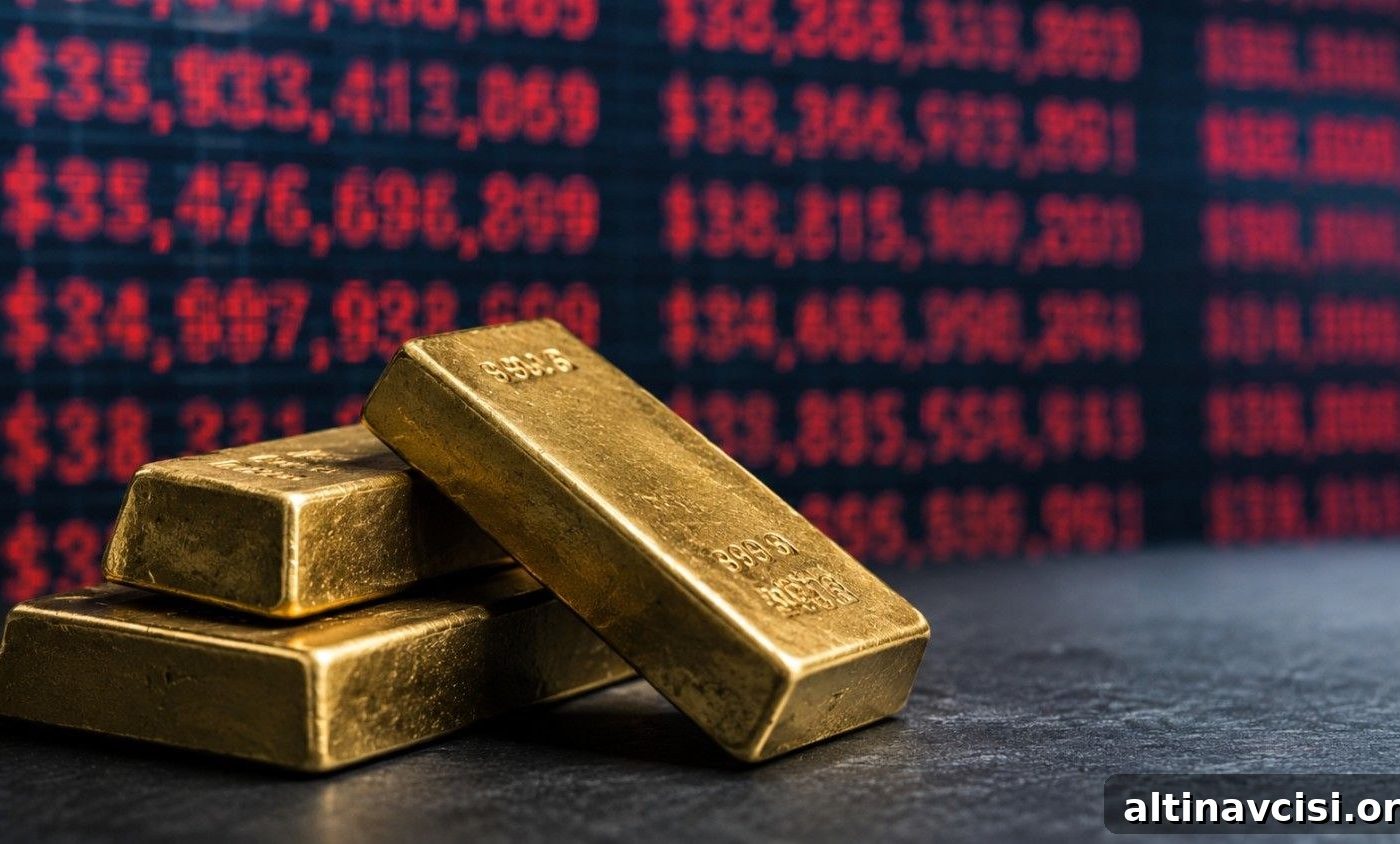
In today’s update: Gold swung $45 and oil fell about 2% after President Trump paused a planned strike on Iran — yet the monetary floor beneath gold held. Here’s why central bank buying of roughly 863 tonnes a year and nearly $39 trillion in U.S. debt matter far more than any single geopolitical headline.
Markets reacted sharply to the Iran episode, pushing gold, silver and oil to move in different directions. That headline-driven volatility obscures a more important, longer-term story: the monetary forces that have driven precious metals higher remain intact. Gold is sensitive to factors such as real yields, dollar strength, and steady central bank demand. Those dynamics create a durable support level that short-term geopolitical news can’t erase.
Trump Called Off the Iran Strike — So Why Did the Gold Price Swing $45?
Gold reached an intraday high near $4,589 before retreating to about $4,544, a swing of roughly $45. The immediate catalyst was news that President Trump paused or canceled a planned strike on Iran. Oil fell on the same development. These rapid swings follow a familiar pattern: geopolitical events produce sharp, short-lived moves in risk-sensitive assets. But that volatility should not be mistaken for a change in the structural forces that determine gold’s long-term value. The pullback came because the market was recalibrating the immediate geopolitical risk, not because the underlying monetary pressures — persistently low real yields, broad fiscal deficits, and central bank accumulation — have dissipated.
The Edge Every Investor Needs
Smarter precious metals investing starts here. The Nuggets Newsletter brings essential market insights, Fed updates, global trends, educational videos, and more.
Oil Dropped 2% on the Iran Pause. Why Didn’t Gold Follow?
Crude oil fell more than 2% after markets interpreted the pause as a removal of near-term supply risk in the Strait of Hormuz. Oil is a straightforward supply-and-demand asset: when a key shipping chokepoint is perceived as reopened, the premium for disruption evaporates quickly. Gold reacts to a different, broader set of forces. It prices monetary confidence, expectations for real yields, and the purchasing power of fiat currencies over time. A temporary easing of a supply-risk premium in oil does not reverse years of fiscal deficits and prolonged money creation. That disconnect explains why oil can move sharply while gold barely flinches.
Iran Keeps Threatening to Close the Strait of Hormuz. What Does That Mean for Gold?
Iran’s primary leverage lies in the threat of closing or mining the Strait of Hormuz, a narrow but critically important maritime corridor. Roughly one-fifth of global oil flows through that channel, so any credible disruption sends shockwaves through energy markets. Yet for gold investors, the key question isn’t whether the strait is blocked briefly; it’s what a prolonged confrontation would mean for U.S. fiscal policy, defense spending and the long-term credibility of the dollar. Sustained geopolitical conflict tends to be inflationary because governments finance extended operations with increased spending and, often, more currency issuance. That pathway is precisely what precious metals tend to price in over months and years.
Is the Current Gold Price Range Between $4,525 and $4,589 a Problem for Long-Term Holders?
Gold has been oscillating in a roughly $100 range around these levels as traders react to headlines. Short-term traders buy on escalation and sell on de-escalation; that pattern produces intraday swings. Long-term holders should focus on the fundamentals: gold is up around 4% year-to-date and roughly 50% year-over-year. Central banks continued their steady buying, adding about 863 tonnes in 2025 and marking a long stretch of net purchases, according to the World Gold Council. Those purchases, combined with persistent fiscal deficits and subdued real yields, create a durable support for prices. Historically, dips tied to “de-escalation” tend to be opportunities because the monetary pressures driving the trend do not disappear with a diplomatic phone call.
Silver Fell 4x Harder Than Gold Today. What’s That Telling Us?
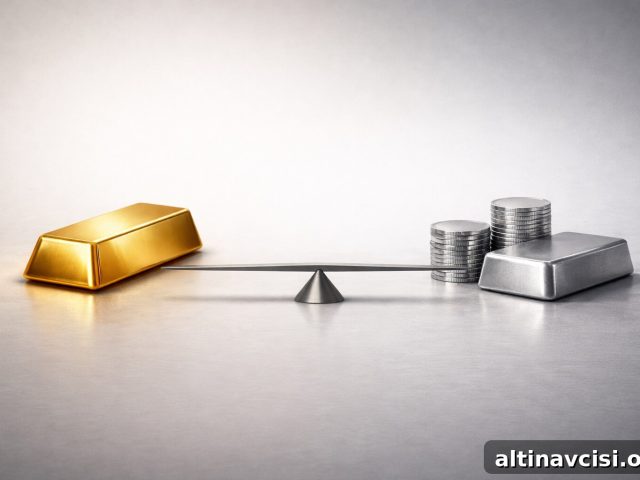
Silver’s drop was steeper — almost 2% versus under 0.5% for gold — reflecting its hybrid role as both a monetary metal and an industrial commodity. When geopolitical risk rises while industrial demand expectations soften, silver tends to amplify the move because it’s exposed to both forces. The gold-to-silver ratio remains near 60:1, close to its long-run average, suggesting silver is not wildly out of line versus gold. More importantly, the silver market faces recurring supply deficits; the Silver Institute projects consecutive annual deficits, which supports the structural bull case. For investors with a multi-year horizon, sharp intraday moves are often buying opportunities rather than warnings.
In short: Iran is a catalyst that can trigger short-term price swings, but it is not the root cause of precious metals’ longer-term advance. The drivers that matter — fiscal deficits, subdued real yields, and central bank diversification away from fiat currencies — remain in place. A diplomatic pause alters headlines; it does not fix the monetary math.
Prices as of 12:34 ET, May 19, 2026
Stay On Top of Gold & Silver Prices
Get important market alerts sent straight to your inbox.
Disclaimer: This article is for informational purposes only and does not constitute financial or investment advice. Always consult a qualified financial adviser before making investment decisions.
You May Also Like:
- The Gold Market Is Mostly Paper. Dubai Disagrees.
- The Institutions Are Buying. Yields Are Rising. What Does That Tell You?
- Gold Up 40% in a Year. The Moody’s Downgrade Explains Why.
- No Deal, No Premium: Why Silver Fell 7% at the Trump-Xi Summit
- Gold Fell. China Bought Its Most in 17 Months. Here’s Why.
- Why Silver Falls Harder Than Gold — And What It Means
- Gold Near $4,700: The Chaos Isn’t a Ceiling. It’s a Floor
- 5 Forces Shaping Gold and Silver at the Beijing Summit
Popular Topics
Picked from the archive
-
01
 Topics
Stronger Economy Delays Rate Cuts, Pressures Bond Market
-
02
Topics
Gold Price Rebounds Amid Iran Tensions, Fed Moves, Dollar Surge
-
03
Topics
401(k) Rollover to a Gold IRA: Step-by-Step Guide
-
04
Topics
Silver Slides While Gold Holds as Markets Reduce Risk
-
05
Topics
Gold Price Tops $3,600 After $1,000 Rally This Year
-
06
Topics
Gold Prices Rise on Fed Policy, Debt Concerns and Asian Demand
-
07
Topics
Gold vs Silver: Liquidity Explained for Investors
-
08
Topics
Dollar’s Decline: What It Means for Gold and Silver