Dubai Challenges Paper Gold Claims in Global Market
Key Takeaways
- LBMA documentation filed with HMRC in 2013 shows that about 95% of London precious metals transactions settle in unallocated accounts — claims on pooled metal rather than title to specific bars.
- A Zawya report (May 18, 2026) documents Dubai’s rapid ascent as a physical gold trading hub that routes allocated bars from Africa to Asia, in contrast to London’s largely derivative-based market.
- The UAE now handles roughly 25% of global gold trade, according to Ahmed Bin Sulayem of the DMCC, making it the world’s second-largest gold trading center after surpassing the UK.
- A share in an unallocated ETF and an allocated physical bar may track the same spot price, but they are fundamentally different assets.
Many investors glance at a gold quote and assume the number represents a simple exchange of physical metal: a buyer wants gold, a seller has it, and a price clears. Recent reporting complicates that assumption and helps explain why large, sophisticated buyers are increasingly moving metal out of London’s system.
The price most market participants watch is set within the London Bullion Market Association (LBMA) framework. LBMA filings show the vast majority of these transactions do not involve the movement of individually identified bars. Instead, they settle as “unallocated” claims: ownership of a share in a pooled holding rather than title to a numbered, segregated bar. That distinction is not merely technical — it determines the nature of the asset you own and the risks attached to it.
On May 18, 2026, gold traded around $4,561 per ounce (3:54 PM ET), modestly higher on the day as markets absorbed recent inflation data and shifting Fed expectations. But beyond daily price moves, the more significant story is geographical: where physical bullion is actually being held and traded, and which systems are growing in importance.
What Is an Unallocated Gold Account?
The LBMA operates the largest formal market for gold. Per a 2013 memorandum with HMRC, roughly 95% of London precious metals transactions settle in unallocated accounts. In practical terms, an unallocated account gives you a contractual claim on a pool of metal held by a bank or custodian, not ownership of a specific, numbered bar stored on your behalf.
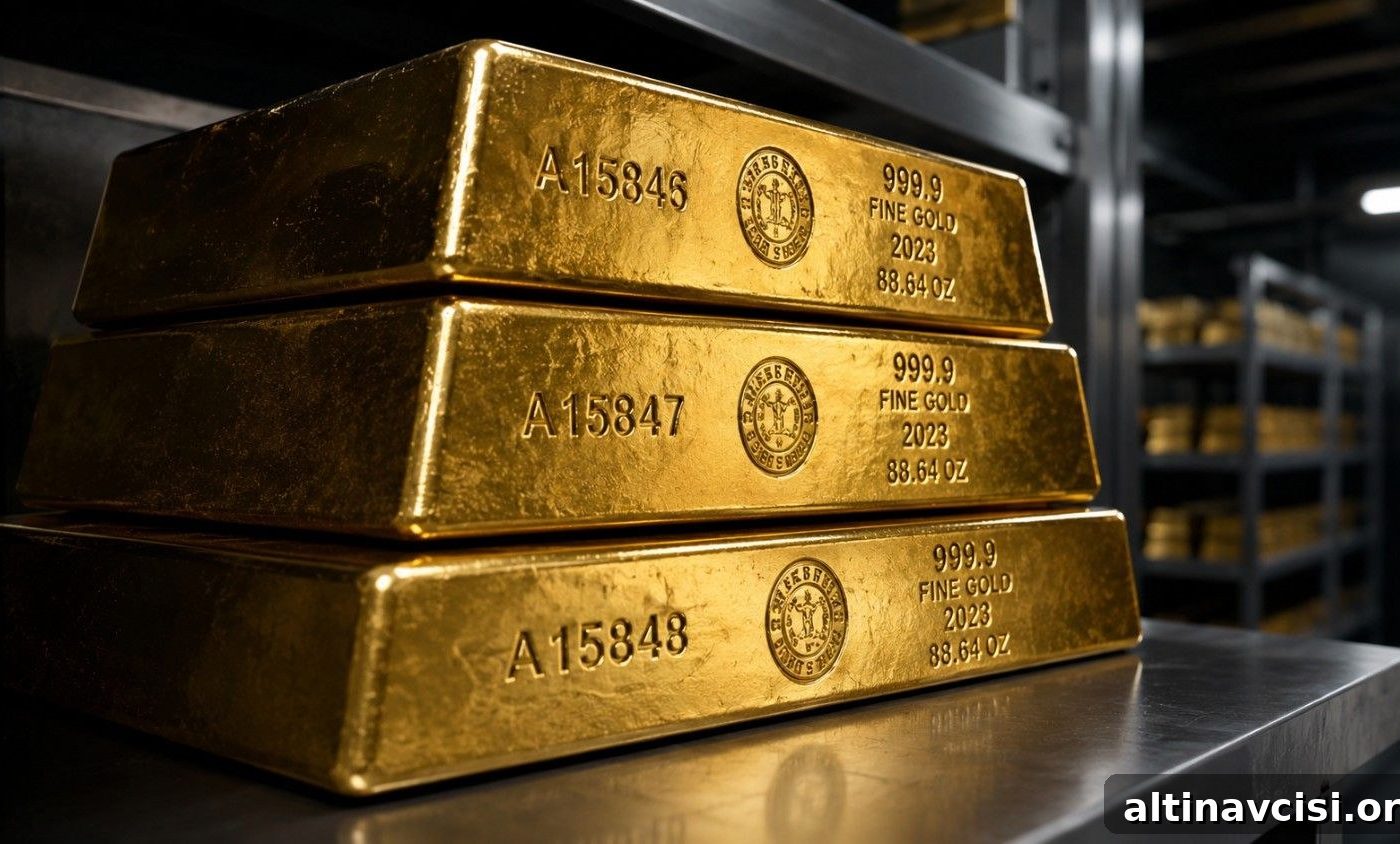
By contrast, an allocated account assigns individual bars to a named owner; those bars are segregated and recorded by serial number, held exclusively for that owner. The unallocated model functions similarly to fractional-reserve banking: institutions can accept claims and lend against pooled metal rather than segregating equal amounts for each claimant.
That model produced notable strain in March–April 2020, when spreads of $70–80 per ounce opened between COMEX futures and LBMA spot quotes. Deliverable metal in the form implied by contracts was scarce, arbitrage opportunities widened, and settlement queues lengthened. As a reminder, the form of ownership — allocated versus unallocated — affects exposure and should factor into any decision about how to hold precious metals.
Why Is Dubai Becoming the World’s Physical Gold Hub?
A May 18, 2026 Zawya report documents a structural shift: bars sourced from African producers are increasingly being refined and moved through Dubai to meet Asian demand. In many cases these bars are refined to London Good Delivery standards in Dubai, then allocated to regulated vaults and shipped to buyers in Asia and central banks — bypassing London’s pooled-claim model.
Industry leaders note that Dubai is evolving beyond a transit point into a full-service center for physical bullion — including refining, vaulting, trading, banking, and logistics. That ecosystem treats allocated, segregated storage as the default outcome of a trade: when metal clears in Dubai, buyers often receive title to specific bars rather than a share of a pool.
The statistics underline the shift. UAE volumes have grown rapidly, and the country now accounts for about one quarter of global gold trade, according to Ahmed Bin Sulayem, Executive Chairman of the DMCC. Nearly half of that flow moves through the DMCC and the Dubai Gold and Commodities Exchange (DGCX), reinforcing Dubai’s role as a major physical hub.
Does the East-West Price Gap Appear in the Data?
Yes. Western markets have largely built infrastructure around credit claims on pooled metal, while many Eastern markets emphasize title transfer of specific bars. That structural difference shows up in pricing: physical premiums in China and India have remained firm, and Shanghai-London spot differentials have generally trended positive, indicating higher demand for deliverable, allocated bullion compared with paper alternatives.
Demand figures support the divergence. The World Gold Council reported that in Q1 2026 Asian investors purchased 397.7 tonnes of physical bars — the highest single-quarter bar demand recorded in its series — while many Western ETFs experienced net outflows in the same period. Central banks have long preferred physical bars and have repatriated holdings; recent repatriations by major institutions illustrate that preference for tangible title over bookkeeping claims.
Which System Is Your Gold In?
The global gold market is effectively splitting into two models. London and New York emphasize paper claims, derivatives, and pooled settlement. Dubai, Shanghai, and Singapore place greater emphasis on allocated metal and physical delivery. Both sets of participants use the same spot quotes, but the underlying assets and settlement mechanisms differ.
As these systems diverge, price spreads between paper benchmarks and deliverable metal may widen. Media in the West might call this volatility; physical buyers in the East may regard it as an opportunity to accumulate real metal at a relative discount. The same structural fault line is visible in silver markets where deliverable supply relative to paper claims has been tight.
When you buy “gold,” confirm whether you are purchasing an unallocated claim (for example, ETF shares or LBMA unallocated accounts) or allocated metal — bars or coins assigned and stored specifically in your name. The quote on your screen can be identical either way; what you actually own is not.
What to Watch
Monitor the Shanghai-London spot differential as a live indicator of how physical demand compares with the London benchmark. Track COMEX registered gold inventories — large declines can signal paper holders preparing for physical delivery. And watch central bank moves and major central bank meetings such as the Federal Open Market Committee, which remain key macro drivers for the dollar-denominated gold price.

The Edge Every Investor Needs
Smarter precious metals investing starts with clear information. The Nuggets Newsletter offers market insight, Fed updates, global trends, and educational content to help investors make informed decisions.
Stay On Top of Gold & Silver Prices
Receive timely market alerts delivered to your inbox.
SOURCES
1. LBMA / HMRC — Memorandum of Understanding: VAT treatment of London precious metals transactions (April 2013).
2. Zawya / TradeArabia — Why Dubai is emerging as the global capital of physical gold trading (May 18, 2026).
3. The Dubai Life — The Gold Industry in the United Arab Emirates in 2025.
4. World Gold Council — Gold Demand Trends Q1 2026 (April 29, 2026).
5. Deutsche Bundesbank — Bundesbank completes gold transfer ahead of schedule (August 23, 2017).
6. Records on gold repatriation (De Nederlandsche Bank, Banque de France).
7. U.S. Bureau of Labor Statistics — Consumer Price Index, April 2026 (released May 12, 2026).
8. Metals spot price data (gold price referenced May 18, 2026).
Disclaimer: This article is for informational purposes only and does not constitute financial or investment advice. Consult a qualified financial adviser before making investment decisions.
You May Also Like:
- The Institutions Are Buying. Yields Are Rising. What Does That Tell You?
- Gold Up 40% in a Year. The Moody’s Downgrade Explains Why.
- No Deal, No Premium: Why Silver Fell 7% at the Trump-Xi Summit
- Gold Fell. China Bought Its Most in 17 Months. Here’s Why.
- Why Silver Falls Harder Than Gold — And What It Means
- Gold Near $4,700: The Chaos Isn’t a Ceiling. It’s a Floor
- 5 Forces Shaping Gold and Silver at the Beijing Summit
- The Real Reason Gold Falls When Inflation Surges
Popular Topics
Picked from the archive
-
01
 Topics
39% US Export Tax Sparks Reputation Fears for Swiss Gold Traders
-
02
Topics
Fed Policy Dilemma Fuels Gold Rally Amid Sticky Inflation
-
03
Topics
Gold Price: What Could Drive It to $6,300?
-
04
Topics
Why Silver Falls More Than Gold and What It Means for Investors
-
05
Topics
Treasury Secretary Urges Fed Rate Cut After Revised Jobs Report
-
06
Topics
Job Market Falters as Gold Nears $3,600
-
07
Topics
Gold vs Inflation: What 100 Years of Data Reveals
-
08
Topics
Switzerland Seeks US Pledge to Keep Gold Tariff-Free