Gold vs Silver: Liquidity Explained for Investors
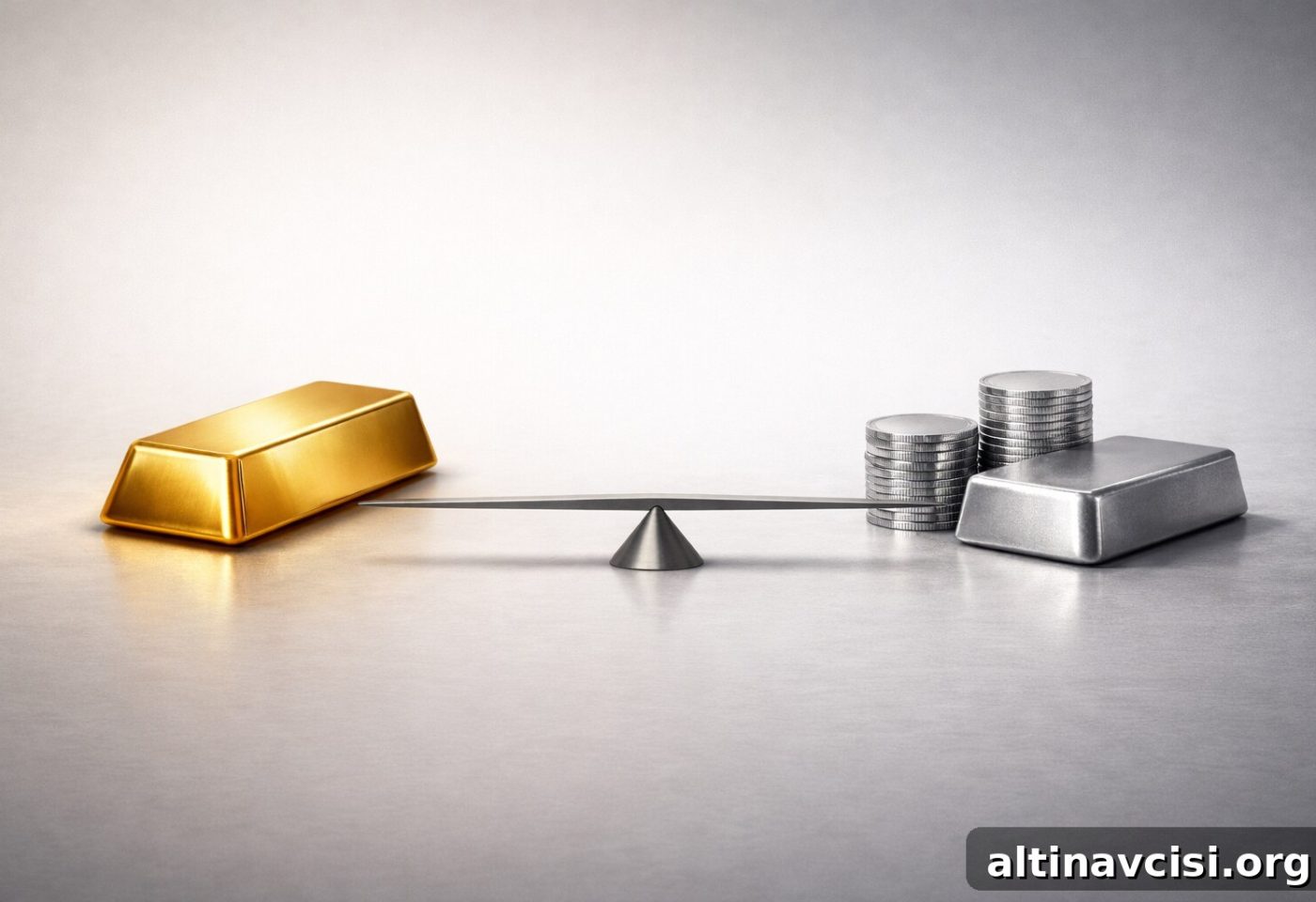
When deciding between gold and silver, many investors fixate on price. The more important choice, however, is how those metals behave in ownership — specifically how quickly you can turn them into cash when timing matters, and what that conversion actually costs. Those practical factors shape every precious‑metals strategy, and understanding them ahead of time prevents costly surprises.

Liquidity is often defined as “how easy it is to sell,” but that definition is incomplete. Real liquidity rests on three clear components:
- Speed — how quickly you can convert metal into cash
- Certainty — how confident you can be that a buyer will be available
- Price integrity — how much value you retain when you sell
What “Selling Under Pressure” Really Looks Like
Most sales of precious metals don’t happen in calm markets. People sell because an opportunity appears, an unexpected bill arrives, they need to rebalance quickly, or markets are volatile and access to cash becomes urgent. In those moments, liquidity is practical, not theoretical. The key questions are not “Can I sell this?” but “How fast, how cleanly, and at what cost?”
Gold Liquidity: Deep, Global, and Consistent
Gold is among the most liquid assets worldwide. It trades across continents and through institutional, wholesale, and retail channels. Because central banks, bullion banks, dealers, and private investors widely recognize and hold gold, buyers are typically available even in stressed markets.
- Large dollar amounts can often be sold quickly
- Transactions tend to clear reliably
- Tight bid/ask spreads help preserve value during volatility
For investors who may need to raise cash on short notice, gold’s consistency in speed, certainty, and price integrity is a practical advantage.
Silver Liquidity: Strong — With Important Caveats
Silver is highly tradable at the retail level, especially in smaller lots. It’s easy to buy and sell a few coins, a tube of rounds, or modest quantities through local or online dealers. That accessibility makes silver an attractive entry point for new investors.
However, silver’s liquidity becomes more complicated as the dollar value and physical volume of a position grow. Larger silver holdings introduce more weight, handling, and logistical complexity, which can make selling slower and more expensive.
- Large sales can take longer to execute
- Bid/ask spreads often widen during stressed conditions
- Big positions may require multiple transactions rather than a single clean sale
Retail sentiment also affects silver more strongly; demand can surge or dry up based on psychology, creating spikes in friction precisely when investors want consistent execution.
Bid/Ask Spreads: Where Liquidity Gets Expensive
A clear distinction between gold and silver under pressure is the bid/ask spread — the gap between what buyers will pay and what sellers receive. Gold spreads are typically narrower and more stable. Silver spreads can widen dramatically during market stress. That widening represents a real cost to sellers: when timing matters, silver holders may have to sacrifice a larger portion of their value to exit a position quickly.
What This Means for Real Investors
Consider how you plan to use precious metals before deciding which metal to allocate to. In general:
- Gold suits larger portfolios, retirement accounts, and situations where flexibility and timely access to cash matter.
- Silver works well for smaller transactions, incremental buying and selling, and investors comfortable with higher volatility and handling costs as holdings grow.
Both metals are liquid, but gold tends to remain more consistently liquid when market conditions are toughest.
Liquidity Isn’t About Panic — It’s About Preparedness
Owning precious metals shouldn’t be about planning to sell at the worst possible moment. Smart investors plan exit strategies in advance. The difference between theoretical liquidity (what might be possible in calm markets) and practical liquidity (what will actually happen when you need cash) is crucial: it determines which metal fits your storage, timing, and financial goals.
Final Thoughts: Choosing the Right Metal for Real Life
Gold and silver are often compared as rivals, but they serve distinct roles. Gold excels at efficiency: it concentrates value, stores discreetly, and converts to cash with speed and certainty. That is why institutions and long‑term investors have historically preferred it as a monetary reserve. Silver excels at accessibility and divisibility, letting investors enter with smaller sums and trade at the retail level, though its physical bulk and volatility increase friction as positions grow.
Neither metal is inherently superior. The right choice depends on your storage capacity, liquidity needs, time horizon, and overall financial strategy. Investors who factor these realities into their plan make calmer, more confident decisions and avoid avoidable surprises.
Think Beyond Today’s Price
Spot prices change every day; storage logistics and liquidity dynamics do not. Whether you’re buying your first coin or reshaping an existing allocation, ask not “Which metal will rise?” but “Which metal fits my real‑world needs?” That shift turns precious metals from a speculative idea into a strategic asset.
Continue Learning Before You Decide
Education should always precede transactions. Understanding how gold and silver perform in ownership — from storage to liquidity — will help you choose with clarity, not emotion. Consider resources that explain allocation between metals, secure and efficient storage options, and how to build a precious‑metals strategy that aligns with long‑term goals. The more you learn upfront, the more confidently you can act, regardless of what markets do next.
People Also Ask
Why is gold more liquid than silver during market stress?
Gold maintains liquidity under stress because of tighter, more stable bid/ask spreads, a deeper global buyer network that includes central banks and institutions, and the ability to move large dollar amounts quickly. Silver’s liquidity wanes as transaction size grows because of greater physical handling, wider spreads during stress, and a stronger dependence on retail sentiment.
What are the three components of true liquidity in precious metals?
True liquidity consists of speed (how fast you can convert metal to cash), certainty (confidence a buyer will be available), and price integrity (how much value you retain when selling). These elements matter most when selling under pressure rather than in calm markets.
When does silver liquidity become problematic for investors?
Silver’s liquidity becomes challenging as the dollar value and physical volume of holdings increase. Small retail transactions are straightforward, but large positions can face longer sale times, wider spreads, and multiple transactions to complete a sale — friction that gold largely avoids.
Which precious metal is better for larger portfolios and why?
For larger portfolios, gold is generally better because it concentrates value in less physical space, maintains consistent liquidity across transaction sizes, and offers tighter spreads and broader institutional demand. Silver is useful for smaller, incremental strategies but becomes increasingly cumbersome as position size grows.
How do bid/ask spreads differ between gold and silver under pressure?
Gold typically keeps tighter, more stable bid/ask spreads during volatility, while silver spreads can expand sharply. That difference affects the real cost of exiting positions: wider spreads mean sellers surrender more value, making gold the more cost‑efficient choice for urgent liquidations.
You May Also Like:
- Silver Price Components: Premium, Spot, and Dealer Markup Explained
- Silver Price Forecasts Revisited: Why Wall Street Got It Wrong
- Gold’s Purchasing Power: What One Ounce Buys Over Time
- Foreign Investors Are Selling U.S. Debt — Here’s Why Gold Is Surging
- Why Metals Dominated Every Asset Class in 2025 [and What It Means for 2026]
- Best Investment Of 2026: Silver’s Setup Is Hard To Ignore
Popular Topics
Picked from the archive
-
01
 Topics
Gold Price Could Reach USD 5,000 by 2026: Institutional Forecast
-
02
Topics
Silver Squeeze Pushes Silver Prices Above $51
-
03
Topics
Gold Rises as Bitcoin Slips and Bubble Fears Grow
-
04
Topics
Bessent Urges 1.5% Rate Cut, Boosting Gold Prices
-
05
Topics
Tariff Deadline Fears Push Gold Prices Up as Other Metals Slide
-
06
Topics
Gold Fields Urges Major Miners to Boost Gold Exploration
-
07
Topics
Tech Giants Drive 90% of Earnings Growth Despite Trade War Fears
-
08
Topics
Brazil Threatens Retaliation After Trump Imposes 50% Tariff