What’s Driving Gold Prices This Week: CPI, Seoul and Beijing
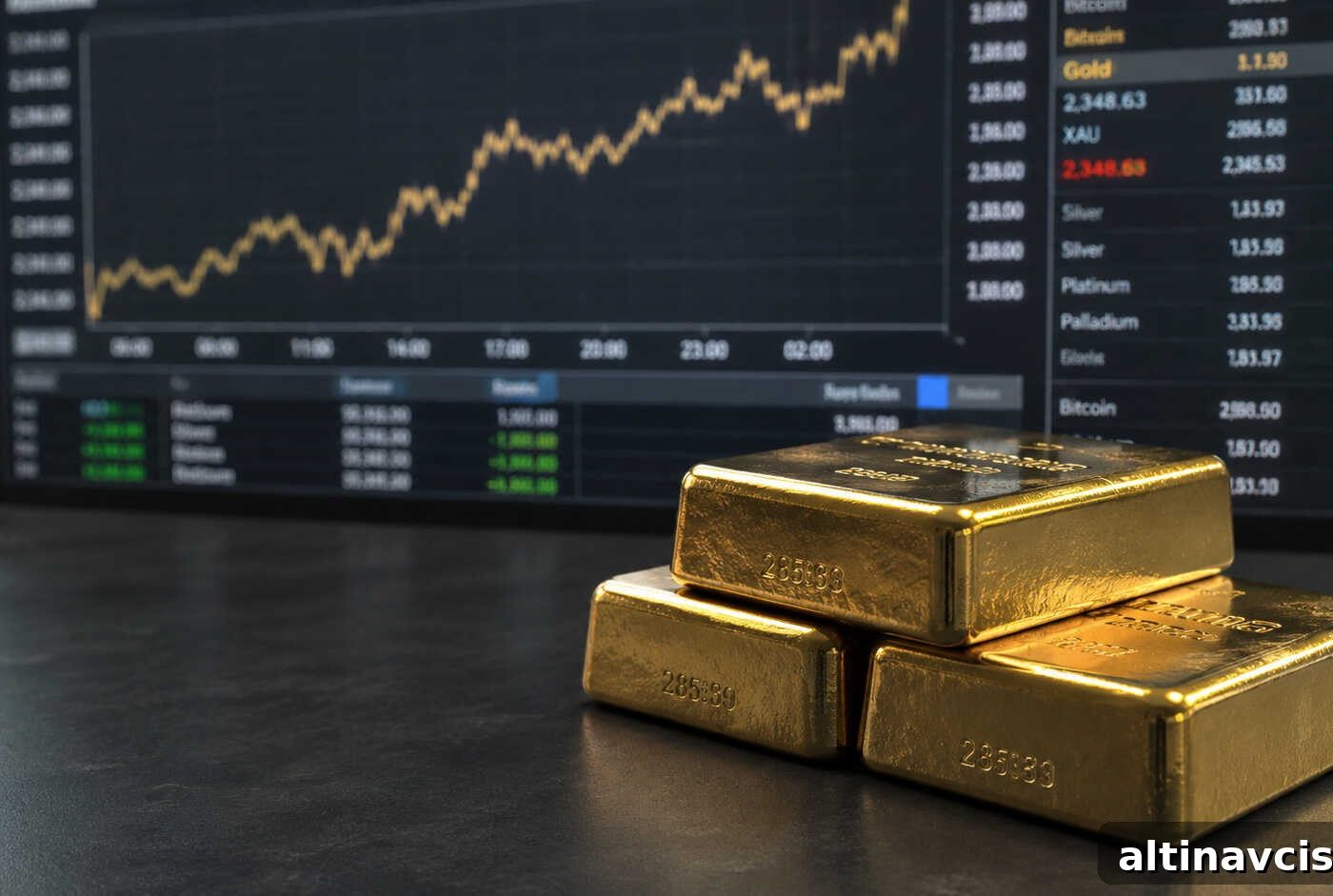
Gold and silver market update — May 11, 2026
In today’s update: Three forces are driving gold higher: a near shutdown of the Strait of Hormuz, persistently elevated inflation that keeps the Fed on hold, and heavy central bank buying. Below we explain how upcoming Seoul trade talks, the Trump-Xi summit in Beijing, and Tuesday’s CPI report could influence precious metals.
Since the US–Israel strike on Iran in late February, the resulting disruption to shipping through the Strait of Hormuz has created a significant energy shock. Combined with a 3.3% inflation reading and a Federal Reserve unlikely to cut rates soon, this environment favors gold as a store of value. Diplomacy this week—trade talks in Seoul and a meeting between the U.S. president and China’s leader in Beijing—adds a geopolitical layer that markets are watching closely.
What are the US–China Seoul trade talks on May 12–13, 2026?
Treasury Secretary Scott Bessent and Chinese Vice Premier He Lifeng will meet in Seoul on May 12–13 for trade and economic discussions. These sessions are the final preparatory talks before the Trump-Xi summit in Beijing on May 14–15. Bessent’s itinerary includes a stop in Tokyo to meet Japan’s prime minister, after which he proceeds to Seoul. The Seoul meetings aim to operationalize the “important consensus” reached at last year’s Busan summit and will influence what is taken into the leaders’ meeting in Beijing. Because the Seoul talks conclude before Tuesday’s CPI release, market participants view them as potentially price-sensitive.
The Edge Every Investor Needs
Smarter precious metals investing starts with timely market insights, Fed updates, global trends, and clear education.
What is on the agenda for the Trump–Xi Beijing summit on May 14–15, 2026?
The May 14–15 summit in Beijing will cover a broad agenda: trade policy, Taiwan, rare earths, artificial intelligence, and the Iran conflict—particularly the Strait of Hormuz. China has reportedly been mediating behind the scenes to reduce tensions around Hormuz. Any progress toward reopening or securing the strait would ease the near-term pressure on global oil markets, but a comprehensive, long-term agreement is unlikely. Still, the optics of both leaders in the same room when oil is trading above $100 per barrel are enough to move markets.
How is the Strait of Hormuz disruption affecting gold and oil prices in 2026?
Commercial traffic through the Strait of Hormuz has dropped sharply, operating at roughly 5% of pre-war levels. Before the conflict, about 3,000 vessels transited the strait each month. The waterway transports roughly a quarter of global seaborne oil, so the disruption has kept Brent crude above $100 per barrel. Those higher energy costs feed directly into inflation readings—US inflation rose to 3.3% in March and gasoline recorded a record monthly jump. This combination of an energy shock and persistently high inflation supports gold prices as investors seek to protect purchasing power.
What does the April 2026 CPI forecast mean for gold prices?
April CPI will be released Tuesday morning. Consensus estimates expect headline inflation near 3.7% year-over-year and core inflation around 2.7%. Market attention centers on the monthly core figure: if core inflation rises more than 0.3% month-over-month, it signals that energy-driven price increases are spilling into broader services and goods, which would likely keep the Fed on hold for longer. Current market tools show a very high probability—above 90%—that the Fed will not change rates at its June meeting. For gold, the relevant metric is real yields (nominal rates minus inflation). If the Fed maintains rates while inflation remains elevated, real yields fall and gold typically benefits. A hotter CPI print would be bullish for gold; a softer print could prompt a short-term pullback but would not necessarily reverse the broader structural support for the metal.
How much gold are central banks buying in 2026, and who is buying the most?
Central bank demand remains a foundational support for gold. The World Gold Council reported that central banks purchased 244 tonnes of gold in Q1 2026, a 3% increase year-over-year. Retail demand for bars and coins was also strong at 474 tonnes—one of the largest quarterly totals on record. The WGC’s outlook suggests central bank purchases for the full year could reach 700–900 tonnes, consistent with heavy buying seen in 2025. Poland has been a notable buyer, pursuing a multi-year accumulation target, and China recorded its 18th consecutive month of net purchases. These mandate-driven purchases—aimed at reserve diversification—provide a persistent floor under the market that is independent of short-term headlines.
What to Watch
This week’s diplomatic events and Tuesday’s CPI release will move short-term prices. However, the enduring support for gold is coming from structural demand: central banks accumulating reserves, elevated real-world inflation pressure, and geopolitical risk that keeps energy markets tight. Even if Seoul and Beijing produce limited outcomes, the central bank buying trend and the inflationary backdrop suggest the underlying case for gold remains intact. For investors, monitor CPI data, Fed guidance, developments around the Strait of Hormuz, and any concrete announcements from the Trump–Xi meeting that could affect energy flows.
SOURCES
1. nFusion Solutions — Spot Prices Live Feed, May 11, 2026
2. Bureau of Labor Statistics — Consumer Price Index, March 2026 (release April 10, 2026)
3. Bureau of Labor Statistics & Dow Jones consensus — CPI release schedule and April 2026 forecast
4. CME Group — FedWatch probabilities for June 2026 FOMC, May 11, 2026
5. World Gold Council — Gold Demand Trends Q1 2026, April 29, 2026
6. International Energy Agency — Strait of Hormuz factsheet, February 2026
7. CNN / Kpler — shipping and transit visualizations since the Iran conflict began, April 29, 2026
8. South China Morning Post — reporting on Seoul trade talks and the lead-up to the Trump–Xi summit, May 10, 2026
9. CNBC — coverage of global leader reactions and summit context, May 11, 2026
10. Council on Foreign Relations — analysis of the Trump–Xi summit dynamics, May 10, 2026
Disclaimer: This article is for informational purposes only and does not constitute financial or investment advice. Always consult a qualified financial adviser before making investment decisions.
You May Also Like:
- Silver Jumps 6% Before Trump–Xi Summit. Here’s Why
- April Jobs Beat 115K. Gold Held. The Dollar Didn’t. Here’s Why
- Jobs Beat, Ceasefire, Deficit: What It Means for Gold
- Gold Price Outlook: Why Oil Futures and Stocks Are Diverging
- Why Silver Spiked: Iran, Oil, and the Fed
- Gold Hits $4,746 as Oil Falls: Why That Can Be Bullish
- Gold Price and Nonfarm Payrolls: Why the Fed Feels Trapped
- Is Gold Decoupling from Geopolitics? Evidence and Analysis
Popular Topics
Picked from the archive
-
01
 Topics
Why Gold Hit $5,100: What’s Driving the Rally Next
-
02
Topics
Market Update: Gold Steady, Shoppers Cautious, Nvidia Scrutinized
-
03
Topics
Gold and Silver Prices Swing as Ceasefire Falters
-
04
Topics
Gold Prices Jump as Fed Rate-Cut Odds Climb to 74 Percent
-
05
Topics
How Real Interest Rates Drive Gold Prices: Investor Guide
-
06
Topics
When the Fed’s $2 Trillion Liquidity Buffer Reaches Zero
-
07
Topics
5-Year Silver Price Forecast: Data-Driven Scenarios
-
08
Topics
Gold and Silver Hold Ground as Bitcoin Falls Below USD 95K