Switzerland’s Gold Freeze: What Investors Need to Know

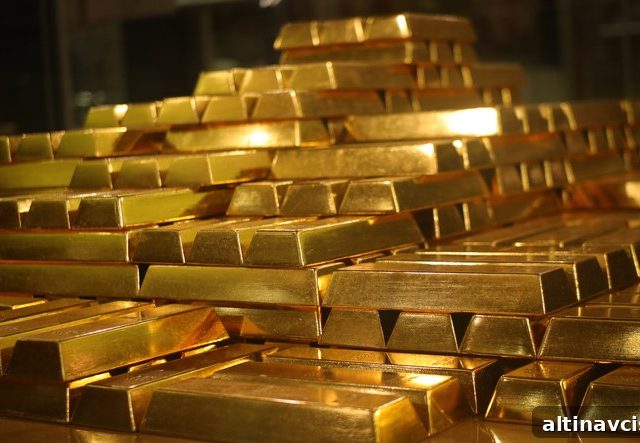
Switzerland’s gold stockpile — all 1,040 tonnes — remains intact. That choice to hold, not sell, is a signal of confidence. The Swiss National Bank’s gold position delivered a CHF 7.8 billion valuation gain in Q1 2026 alone, underscoring gold’s ongoing role as a stabilizing reserve in turbulent markets. Globally, central bank purchases topped 1,000 tonnes per year from 2022 through 2024 — nearly twice the pre-2022 pace — before easing to 863 tonnes in 2025, still well above historical norms. Sustained institutional buying has created a structural price floor that individual investors rarely see but can plan around.
Switzerland has not altered its holdings by a single tonne, and that steadiness deserves attention. Gold reached an all-time high of $5,595 per ounce on January 29, 2026, and by late April it was trading around $4,570 — about an 18% decline from the peak. Superficially that looks like a reversal, but the context shows a different picture.
At the SNB’s shareholders’ meeting on April 24, 2026, Chairman Martin Schlegel said the bank had “no plans either to increase or to reduce” its gold reserves. Many market commentators treated that as neutral news. In fact, Switzerland’s choice to stand pat is best read as confirmation that its current allocation fulfills its purpose.
What Does Switzerland’s “Gold Freeze” Actually Mean?
Calling the SNB’s stance a “gold freeze” can be misleading. This is not a sign of surrender or doubt; it is a statement of satisfaction. Switzerland already holds one of the largest per-capita reserves in the world. Its 1,040 tonnes represent roughly 8% of total SNB assets, and the bank evaluates those holdings at market prices on its balance sheet.
When gold rises, the SNB records valuation gains; when gold falls, it records losses. In 2025 the SNB reported a strong annual profit, led by a CHF 36.3 billion valuation gain on gold, and the bank added another CHF 7.8 billion of gold gains in Q1 2026 even while foreign-currency positions lost CHF 8.2 billion. That performance shows the role gold plays as a balance-sheet hedge.
Why Holding Is Actually a Vote of Confidence
The SNB’s message — “no plans to change” — should be read as confidence, not indifference. The bank’s valuation accounting means it benefits automatically from price appreciation. Maintaining a steady allocation reflects the view that the existing position is fulfilling its diversification and reserve objectives.
For investors, the lesson is straightforward: reserve managers typically target strategic allocations rather than trade around short-term price swings. That approach is designed to protect the balance sheet across cycles rather than chase intraday moves.
The West Holds, the East Buys — and That’s the Structural Story
Western central banks such as the United States, Germany, and Switzerland hold vast gold reserves accumulated over decades. Those reserves automatically benefit from rising prices, so these institutions do not need to be active buyers to gain from a higher market. The bigger source of fresh demand, however, is coming from emerging and middle-income economies.
In 2025, for example, Poland added 102 tonnes to reach 550 tonnes and set a longer-term goal of 700 tonnes. Kazakhstan added 57 tonnes, Brazil added 43 tonnes as it re-entered the market, and China continued reported accumulation. These countries are motivated by a desire to diversify away from US dollar-denominated reserves and to reduce geopolitical and financial vulnerability. Gold cannot be frozen, sanctioned, or directly debased by another government’s policy, which makes it uniquely attractive as geopolitical insurance.
The Numbers Behind the New Price Floor
Central banks purchased 863.3 tonnes of gold in 2025, one of the largest annual totals on record and almost double the 2010–2021 annual average of 473 tonnes. Official-sector buying has been persistent: central banks have been net purchasers for many consecutive years. Surveys of official managers show overwhelming expectations for additional accumulation — the majority of respondents in recent surveys expected official gold reserves to rise in the year ahead, with very few forecasting reductions.
That steady, institutional demand creates a structural support under the market that transient speculative selling struggles to overcome. Put differently, central-bank accumulation is an important factor raising the baseline level of demand and supporting prices over the medium term.
What About Gold’s Recent Volatility?
Gold’s peak at $5,595 per ounce in late January 2026 and the subsequent pullback to around $4,570 by April look dramatic on the surface, but they occur against a backdrop of strong gains. Gold rose more than 25% in the twelve months before the correction, and the average price for 2025 was materially higher year-on-year. Corrections are normal within broader bull markets.
There is also a recurring pattern during episodes of acute stress: investors sometimes sell liquid assets, including gold, to raise cash. This can cause short-term co-movement with equities even when the underlying role of gold as a hedge remains intact. The SNB’s results from Q1 2026 illustrate that dynamic: losses in some foreign-currency holdings were largely offset by gold valuation gains, demonstrating gold’s value as a portfolio stabilizer.
Is Now a Good Time to Own Gold?
For long-term investors, yes — if the allocation is treated as strategic rather than speculative. Central banks hold gold to protect reserves and diversify risks from currencies, bonds, and other financial instruments. Individuals applying the same principle can benefit from a deliberate, long-term allocation.
At current levels, well below the January peak, the structural forces that drove significant appreciation — central-bank accumulation, reserve diversification away from a single currency, geopolitical uncertainty, and monetary policy concerns — remain in place. Many professional reserve managers view a modest allocation to physical gold as insurance rather than a short-term return play.
A commonly recommended long-term allocation for physical gold is roughly 5–15% of investable assets for those seeking a balance between diversification and liquidity. The SNB’s decision to hold its full allocation is a reminder that the objective is to own resilience before it’s needed, not to time market peaks and troughs.

Your Gold Buying Guide Many investors overpay when buying and again when selling. This guide explains which forms of gold to consider and why.
Download a concise, practical guide to buying and storing physical gold, including tips on bars vs. coins, trusted dealers, and long-term allocation strategies.
Stay On Top of Gold & Silver Prices
Receive market alerts and concise updates by email.
Sign up with a trusted provider to receive periodic price alerts and market commentary.
People Also Ask
Why did Switzerland say it won’t buy more gold?
The SNB indicated it is satisfied with its current 1,040-tonne allocation. The bank’s gold holdings produced significant valuation gains that supported its 2025 results, and the SNB considers its existing position adequate for diversification and reserve-management purposes.
Does the SNB’s decision mean gold demand is weakening?
No. Switzerland is maintaining an established holding rather than adding to it. The principal source of fresh official demand is emerging-market and middle-income central banks that are actively accumulating gold to diversify reserves.
Which central banks are buying the most gold recently?
Recent active buyers include several emerging-market and regional central banks that have publicly reported purchases. Nations such as Poland, Kazakhstan, China and others have increased holdings as part of long-term diversification strategies.
Why do central banks hold gold instead of only dollars or bonds?
Gold provides geopolitical and counterparty insulation that no paper asset can fully match. It cannot be frozen or directly devalued by another government, and physical gold carries no issuer credit risk. Those characteristics make it a useful complement to dollar and bond reserves.
Is gold’s pullback from its all-time high a warning sign?
Not necessarily. Corrections are common during bull markets. Despite the short-term pullback from the January high, longer-term drivers such as institutional accumulation and reserve diversification remain intact, and many official managers continue to expect further increases in official gold reserves.
What Switzerland Already Knows
Switzerland built its gold position over decades and has chosen to keep it intact. That allocation generated significant valuation gains in recent reporting periods and continues to serve its intended purpose: diversifying reserves and protecting the balance sheet across currency and market cycles.
The broader point for investors is that central-bank buying reflects a structural belief in gold’s role as reserve insurance. Countries now accelerating purchases are building positions that established reserve holders acquired over many years. Individual investors can adopt a similar, long-term approach without waiting decades.
SOURCES
1. Mining.com — Swiss central bank has no plans to increase gold reserves, says chairman.
2. Swiss National Bank — Annual result of the Swiss National Bank for 2025 (official SNB publication).
3. Swiss National Bank — Interim results as at 31 March 2026 (official SNB publication).
4. World Gold Council — Gold Demand Trends: Central banks, Full Year 2025.
5. World Gold Council — Gold Demand Trends Full Year 2025 (broader demand analysis).
6. Trading Economics — Gold price (spot, April 2026).
Disclaimer: This article is for informational and educational purposes only and does not constitute investment advice. Consult a qualified financial adviser before making investment decisions.
You may also like:
- What History Shows About Buying Gold After a Pullback
- Should You Sell Gold During a Bull Market Pullback?
- Silver Bullion Buying Guide 2026: Coins, Bars, and Rounds Compared
- Is Gold Still a Strategic Asset for Your Portfolio?
- Best Gold Investment in 2026: Bars, Coins, IRA or ETF?
- What Happens to Gold When the Dollar Crashes?
- Gold as a Safe Haven: Lessons from History
- Is Gold at Fair Value? What Models Say and Where They Disagree
Popular Topics
Picked from the archive
-
01
 Topics
Citi Predicts Gold May Hit $3,500 After Weak Jobs Report
-
02
Topics
Gold Falls to $3,343 as Dollar Strengthens, Trade Optimism Grows
-
03
Topics
Gold & Silver Prices Today: Iran, Oil Fallout, $1.3B Bet
-
04
Topics
Top Economist Warns of U.S. Recession as Fed Options Shrink
-
05
Topics
How the Current Gold Rally Compares to Past Bull Markets
-
06
Topics
Bessent Urges 1.5% Rate Cut, Boosting Gold Prices
-
07
Topics
Gold Royalties Surge as Miners Struggle with Rising Costs
-
08
Topics
Is Gold Still a Safe Haven in War? Investor Insights