How China Curbs Global Silver Supply Without Seizing Metal
Gold and silver market update — April 28, 2026
Key Takeaways
- China’s three-step silver sequence: export licensing (January 2026), record imports (March 2026), and now a sulfuric acid export ban effective May 2026 — each action tightens silver availability at a different point in the supply chain.
- Why sulfuric acid matters for silver: about 70% of newly mined silver is a byproduct of copper, lead, and zinc extraction (Silver Institute, World Silver Survey 2025). Restricting the acid used in copper processing indirectly reduces silver output.
- Chile faces acute exposure: the world’s largest copper producer imports over one million tonnes of Chinese sulfuric acid annually. China supplied roughly 37% of Chile’s acid imports in 2025, and a significant share of Chile’s copper comes from acid-based leaching.
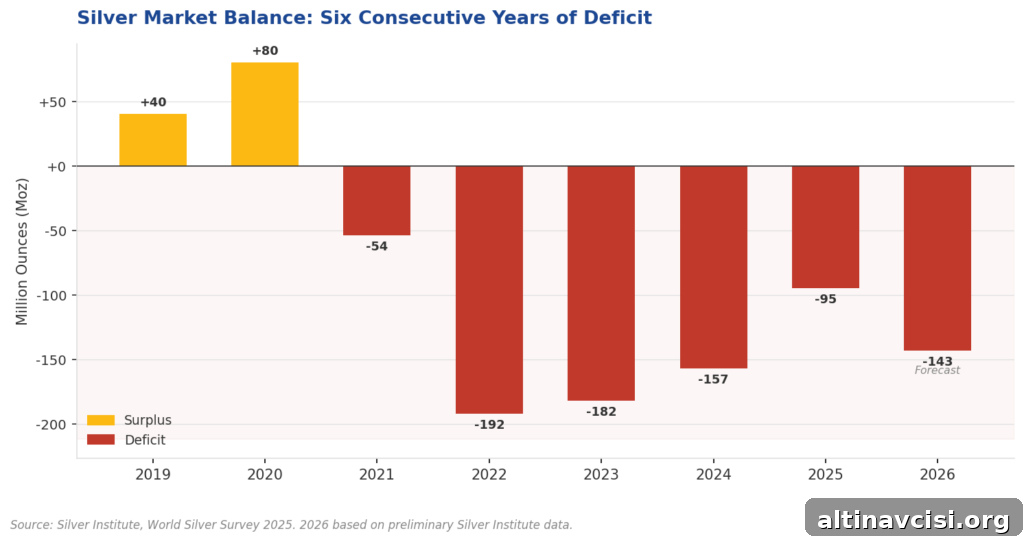
- Longer-term context: silver demand is forecast to exceed supply for the sixth consecutive year in 2026, adding to a cumulative five-year shortfall already surpassing 800 million ounces — approximately a full year of global mine production (Silver Institute).
Since late 2025 China has taken three notable actions that affect the global silver market. First, it tightened export licensing for refined silver. Then it recorded unusually large import volumes. Now, it is restricting sulfuric acid exports beginning in May 2026. The acid ban is aimed at industrial inputs, not silver specifically, but its effects will ripple through mining where silver is produced as a byproduct.
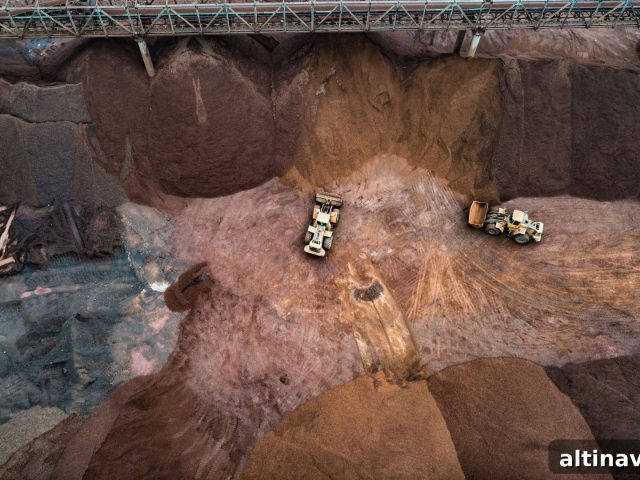
Sulfuric acid is a critical input for heap-leach copper mining, the process used to extract copper from lower-grade oxide ores. Because the majority of newly mined silver accompanies base metal production, any disruption to copper processing leads to an indirect reduction in silver output.
How China’s Sulfuric Acid Ban Affects Silver Supply
Sulfuric acid dissolves copper from crushed oxide ore in heap-leach operations. Chile accounts for most of that activity globally and has historically relied on imports of Chinese sulfuric acid exceeding one million tonnes per year. S&P Global Market Intelligence reported China supplied about 37% of Chile’s acid imports in 2025.
The supply stress is already visible. By mid-April some copper operations were reported to have fewer than 30 days of acid on hand, and acid prices in Chile surged roughly 44% in a single month. Industry officials have described Chile as especially vulnerable because of its dependence on imported acid.
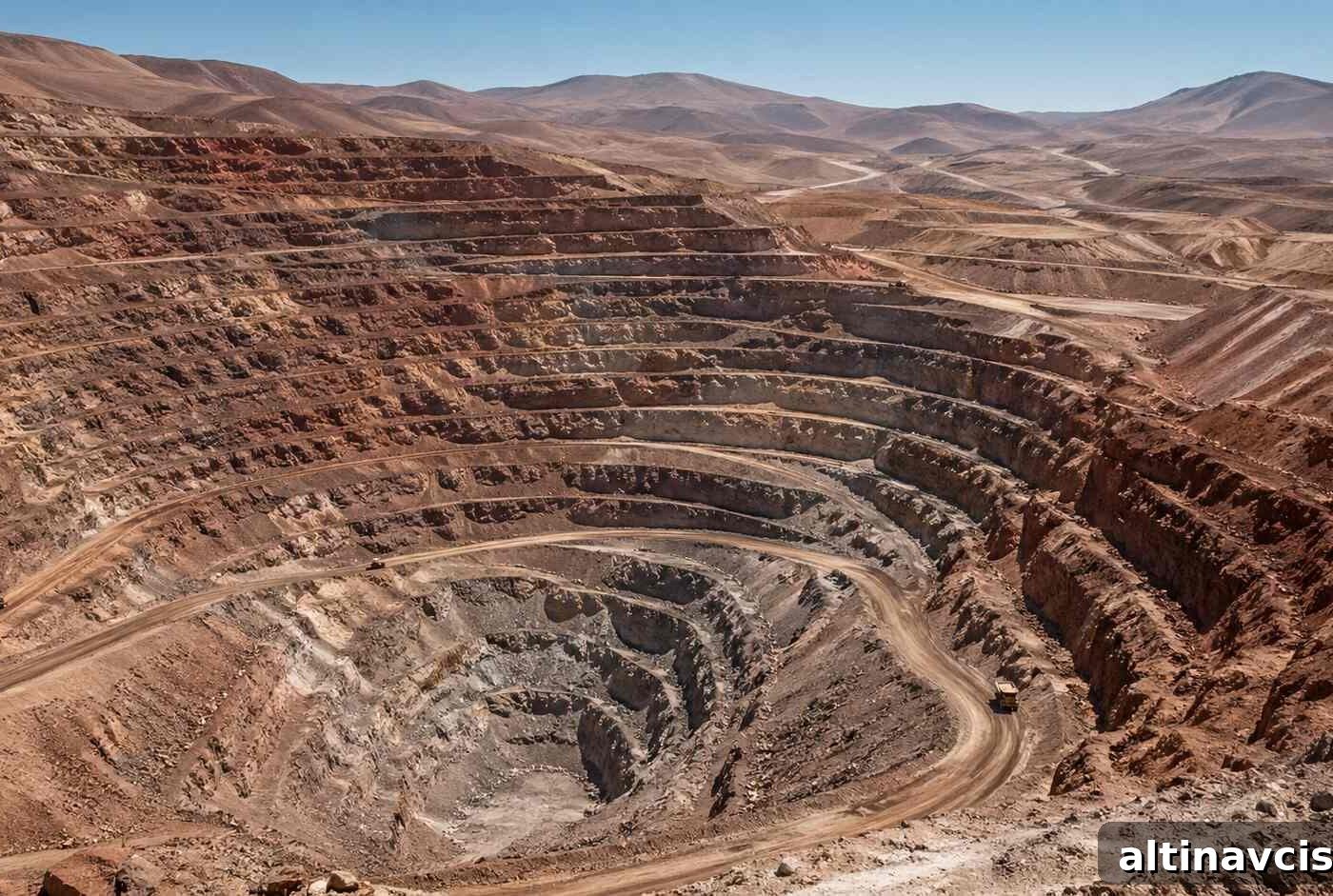
Where silver fits into this is straightforward: according to the Silver Institute’s World Silver Survey 2025, roughly 70% of newly mined silver is produced as a byproduct of copper, lead, and zinc mining. Silver does not come only from dedicated silver mines; much of it is generated alongside base metals. Therefore, when acid shortages force copper producers to cut or throttle production, silver output falls as well.
Analysts at S&P Global and CRU have suggested the ban could persist through the end of 2026. If so, marginal copper operations in Chile, the Democratic Republic of Congo, and Zambia are the most likely candidates for reduced output — and their silver byproduct volumes would decline in step.
Is China’s Silver Strategy Part of a Larger Pattern?
The acid ban follows two earlier moves from China and completes a sequence that began with policy changes announced in October 2025 and implemented in January 2026. Viewed together, the three measures operate at different layers of the supply chain.
Step one: export licensing. From January 1, 2026, Chinese refiners needed government licenses to export refined silver. Only a small group of large, state-aligned refiners qualified, and a minimum production threshold excluded most smaller exporters.
Step two: record imports. In March 2026 China posted record silver import volumes, even as it limited refined silver outflows. That combination tightened available supply for overseas markets.
Step three: sulfuric acid restriction. The May export ban on sulfuric acid targets a key chemical input for copper processing. By constraining acid exports, China makes it harder for some copper operations — and therefore for their silver byproducts — to maintain prior production levels.
COMEX Delivery Date: What It Means
April 28 — the first notice date for COMEX May silver futures — forces long holders to declare interest in physical delivery. More than 26,900 contracts remained open, representing over 134 million ounces at that date, and COMEX inventory metrics show elevated physical demand pressure. The futures market rolls on schedule; the physical supply that underlies those contracts is being tested by disruptions in the broader mining chain.
Is This Coordinated Policy or Coincidence?
There is no need to assume a coordinated global strategy. Each Chinese policy has a clear domestic rationale. Export licensing secures silver for domestic industries such as solar, electronics, and electric vehicles. The sulfuric acid restriction is also linked to domestic needs: disruptions to seaborne sulfur supplies—partly driven by regional conflicts and shipping disruptions—have tightened feedstocks used in fertilizer and other sectors.
Regardless of intent, the cumulative effect is the same: multiple policy levers operating since late 2025 have tightened the international silver supply chain at different points. That tightening arrives into a market already forecast to run a sixth consecutive annual supply deficit in 2026, with a multi-year cumulative shortfall exceeding 800 million ounces.
Physical silver — metal owned outright and stored outside the financial system — remains untouched by export licensing or futures roll mechanics. Physically held metal requires no re-refining and does not roll forward with paper contracts, which makes it operationally distinct from refined metal moving through global trading channels.
What Investors Should Watch Next
The existence of the acid ban is now confirmed; its duration is the central uncertainty. Chilean buyers covered early 2026 acid needs but left much of the second half of 2026 unhedged, creating a pressure point this summer. Monitor Chile’s copper output reports in May and June — a decline there will likely show up quickly in silver byproduct statistics.
Other indicators to follow: sulfuric acid freight and spot prices, inventory days reported by major mining companies, and announced curtailments at marginal copper mines in affected countries. These data points will show whether the theoretical supply squeeze becomes a measurable reduction in global silver availability.
SOURCES
1. IDNFinancials — China Allows 44 Companies to Export Silver for 2026–2027
2. Trivium China — China’s Silver Export License Requirements Take Effect
3. Bloomberg — China Moves to Ban Sulfuric Acid Exports as Iran War Hits Supply
4. S&P Global Platts — China’s Sulfuric Acid Restrictions Set to Squeeze Miners
5. S&P Global Platts — No Quick Sulfuric Acid Fix for Chilean Copper Sector
6. Mining.com — China Moves to Ban Sulfuric Acid Exports as Iran War Hits Supply
7. Mining.com — Copper King Chile Faces Acid Supply Crunch as China Exports Dry Up
8. Supply Chain Magazine — How China’s Sulphuric Acid Ban Will Hit Metals & Fertiliser
9. Supply Chain Magazine — Chile Copper at Risk as China Halts Sulphuric Acid Exports
10. Silver Institute — Silver Industrial Demand Reached a Record 680.5 Moz in 2024
11. Silver Institute — World Silver Survey 2025 (PDF)
By the GoldSilver Editorial Team — helping investors understand sound money since 2005. This article is informational only and does not constitute financial, investment, or tax advice. Consult a qualified financial advisor before making investment decisions.
You May Also Like:
- Powell Press Conference: What It Means for Gold
- Iran Blinked — And One Word From Powell Decides What Happens Next
- COMEX Silver First Notice Day April 30: What to Watch
- What Warsh as Fed Chair Means for the Gold Price
- 5 Signals the Mainstream Gold & Silver Narrative Missed
- Before the Fed Speaks, Watch This Number for Gold
- Gold Price Today: What to Watch Before the April 29 FOMC
- What’s Driving Gold Prices? Oil, PMI, and Newmont
Popular Topics
Picked from the archive
-
01
 Topics
Citi Predicts Gold May Hit $3,500 After Weak Jobs Report
-
02
Topics
Gold Falls to $3,343 as Dollar Strengthens, Trade Optimism Grows
-
03
Topics
Gold & Silver Prices Today: Iran, Oil Fallout, $1.3B Bet
-
04
Topics
Top Economist Warns of U.S. Recession as Fed Options Shrink
-
05
Topics
How the Current Gold Rally Compares to Past Bull Markets
-
06
Topics
Bessent Urges 1.5% Rate Cut, Boosting Gold Prices
-
07
Topics
Gold Royalties Surge as Miners Struggle with Rising Costs
-
08
Topics
Is Gold Still a Safe Haven in War? Investor Insights