How the Warsh Hearing Could Move Gold Prices
Gold and Silver market update – April 20, 2026
Key Takeaways
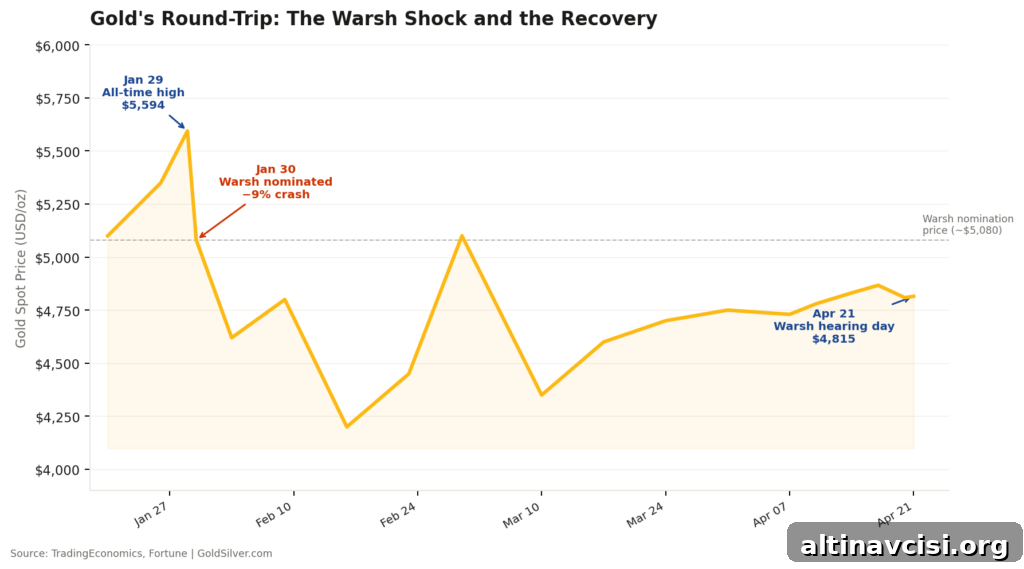
- Gold has recovered roughly $400 from its intraday lows on January 30, when it suffered its worst single-day drop since the early 1980s after reaching an all-time high near $5,595. Silver plunged over 30% that day.
- Three outcomes will shape the next phase for gold: a hawkish Fed chair who holds rates high but faces a fiscal ceiling, a dovish chair that brings rate cuts into view and supports higher gold prices, or a failed confirmation that creates the largest near-term uncertainty premium.
- The US Dollar Index, at about 98.24, has fallen from the 101–102 range in March. That drop reflects political and institutional risk being priced into the Fed — a structural dynamic that supports gold over time.
- Key events to watch: the April 28–29 FOMC meeting, April 23 PMI and jobless claims, and the April 24 University of Michigan inflation expectations survey. These will help clarify the market’s reaction after the hearing.
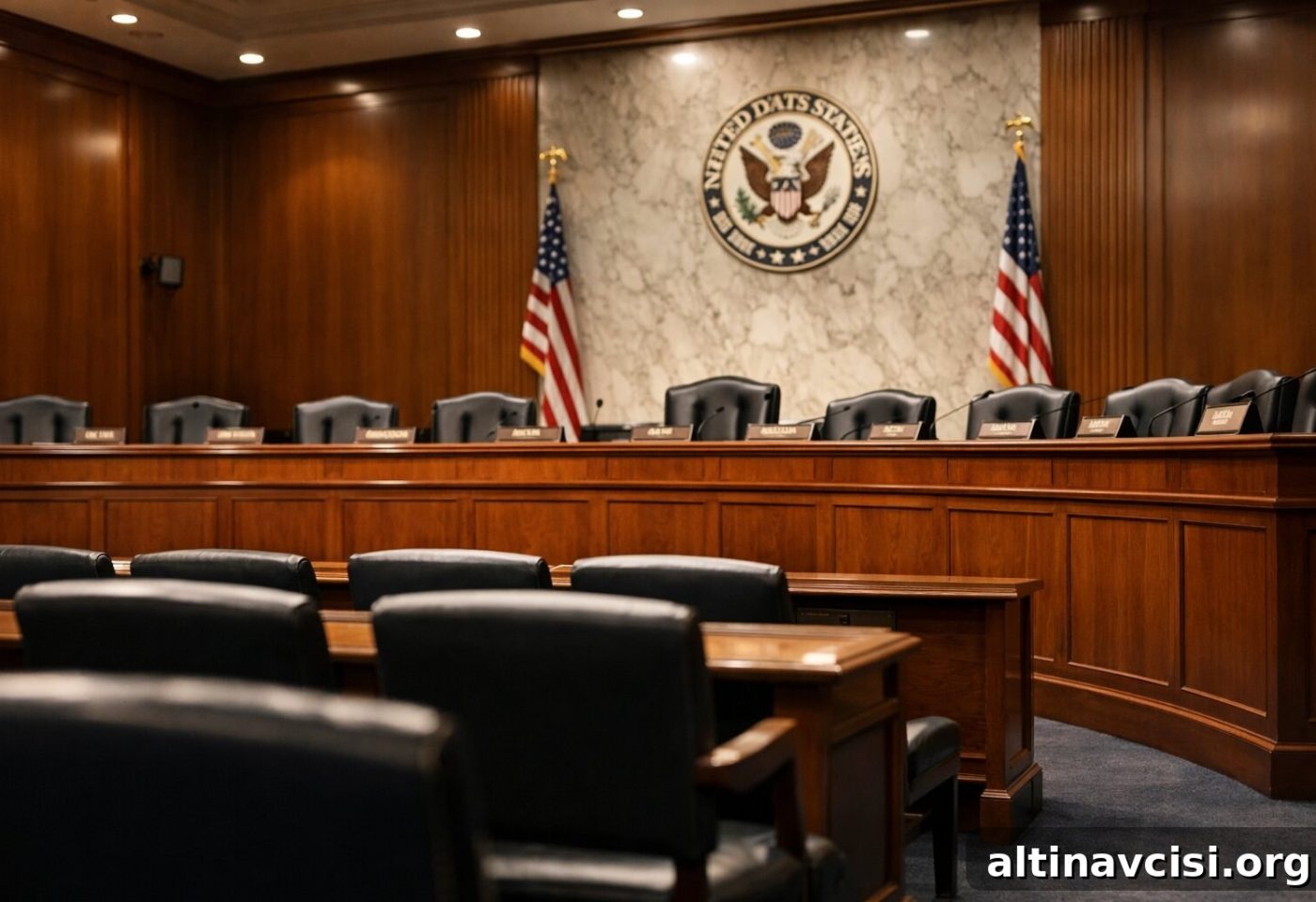
Kevin Warsh is testifying before the Senate Banking Committee as President Trump’s nominee to replace Jerome Powell when his term ends on May 15. Senators are questioning Warsh on his views of interest rates, central bank independence, and geopolitical risks such as the Iran conflict. Gold is trading near $4,809 per ounce and has been relatively steady during the hearing — a sign that markets are weighing outcomes rather than reacting hysterically to a single event.
Why Did Gold Crash When Warsh Was Nominated — Then Fully Recover?
On January 30, 2026, the market reacted sharply when Trump nominated Warsh. Gold fell about 9% intraday from its peak near $5,595, and silver dropped more than 30%. The immediate market interpretation was straightforward: Warsh is seen as an inflation hawk, and a hawkish Fed chair tends to push real yields higher, which is typically bearish for gold.
That selloff was largely forced selling in an overleveraged market rather than a permanent change in fundamentals. Once margin-driven liquidations subsided, the structural drivers supporting gold reasserted themselves: chronic fiscal deficits, central bank purchases of bullion, and weakening confidence in the dollar. Those forces helped gold recover roughly $400 from the intraday lows.
As Deutsche Bank’s chief economist Matt Luzzetti noted, a new Fed chair must build market trust in their commitment to price stability, especially after a prolonged period of above-target inflation. Today’s testimony is the beginning of that trust-building process and markets are watching carefully.
What Does Each Hearing Outcome Mean for Gold Prices?
The hawkish path: Warsh holds rates firm
If Warsh emphasizes independence and signals a willingness to keep policy tight until inflation returns to target, the dollar would likely strengthen in the near term and gold could face modest downward pressure. But there is a practical limit to how far rates can rise. The US is projected to pay roughly $1 trillion in annual interest on the debt this fiscal year — a burden that constrains aggressive rate hikes. Raising rates aggressively in that environment risks exacerbating debt servicing costs and could provoke larger fiscal and financial stress, which in turn supports gold’s longer-term floor.
The dovish path: Warsh signals cuts are coming
If Warsh signals that easing could follow once geopolitical shocks subside and inflation shows durable improvement, real yields would likely compress and bullion would benefit. Major banks and commodity strategists have updated year-end gold targets this year — some citing prices in the $5,400 to $6,300 range for late 2026 if conditions favor lower real yields. Market tools such as CME FedWatch already price in about one cut in 2026, most likely later in the year; a dovish tone from Warsh would make those scenarios more plausible.
The blocked path: confirmation fails
A failed confirmation is the outcome markets may be underpricing. If the Senate does not confirm a successor before Powell’s term expires, the Fed would face leadership uncertainty at a critical time. That institutional uncertainty would likely push up risk premia on monetary policy and the dollar, boosting gold as a hedge. Among the three paths, a blocked confirmation would probably create the sharpest immediate upside for gold because of the sudden increase in policy risk.
Is the Dollar’s Decline Already Signalling a Gold Shift?
The US Dollar Index has eased from the low-102 range in March to about 98.24. That move reflects more than short-term geopolitical developments; it also reflects market concerns about the institutional strength of the Fed and its ability to anchor confidence in the currency. When investors grow uncertain about the institution that issues money, currency confidence erodes and alternative stores of value, including gold, gain attention. Today’s hearing won’t instantly reverse that broader repricing, but it could influence how much further it runs.
What Should Gold Investors Watch After the Warsh Hearing?
The Federal Open Market Committee meets on April 28–29; this will likely be Jerome Powell’s final scheduled meeting as chair. Because the Fed operates under communication blackouts ahead of FOMC decisions, Warsh’s testimony is the most important live signal markets receive before that meeting.
Investors should note Warsh’s specific language on the Fed balance sheet. He has previously argued for reducing the central bank’s $6.7 trillion asset portfolio; a softer stance would be interpreted as easing, while a firm commitment to balance-sheet reduction would signal tighter policy. Also monitor April 23 jobless claims and S&P Global PMI data, and the University of Michigan inflation expectations survey on April 24. These data points, combined with Warsh’s remarks, will shape expectations going into the FOMC decision.
SOURCES
- Kitco News — Strong price gains, all-time highs in gold, silver; safe haven bidding
- LBMA — Precious Metals Market Report: Q1 2026
- Axios — Gold and silver prices plunge after Warsh nomination
- CNBC — Silver plunges 30% in worst day since 1980, gold tumbles after Warsh pick
- Yahoo Finance — Central bank independence in focus as Fed chair nominee faces confirmation hearing
- Congressional Budget Office — The Budget and Economic Outlook: 2026 to 2036
- American Action Forum — Interest Payments on the National Debt: the Near- and Long-term Outlook
- Yahoo Finance / TheStreet — Goldman Sachs revamps gold price target for 2026
- J.P. Morgan Global Research — Gold price outlook
- CME Group — FedWatch Tool
- CNN Business — Coverage of the Fed chair succession and confirmation process
- TradingEconomics — United States Dollar Index data
- Federal Reserve — H.4.1 Factors Affecting Reserve Balances and FOMC calendar
By the GoldSilver Editorial Team — helping investors understand sound money since 2005. This article is for informational purposes only and does not constitute financial, investment, or tax advice. Always consult a qualified financial advisor before making investment decisions.
You May Also Like:
- IMF Says Treasuries Aren’t Safe Anymore. Gold Noticed First.
- Gold Price After Ceasefire Violation: The Floor Has Moved
- Oil Crashed 11%. Gold Went Up. That Tells You Everything.
- $1 Trillion in Debt Interest Is Why Gold Keeps Climbing
- 5 Signals That Say Gold’s Bull Case Just Got Stronger
- The Largest Gold ETF Outflow Ever – But China Disagrees
- Silver Market Deficit 2026: Six Years and Getting Worse
- Is the Petrodollar Ending? What the Iran War Means for Gold
Stay On Top of Gold & Silver Prices
Get important market alerts sent straight to your inbox.
Popular Topics
Picked from the archive
-
01
 Topics
Serbia Repatriates USD 6B in Gold Reserves From Overseas Vaults
-
02
Topics
How Real Interest Rates Drive Gold Prices: Investor Guide
-
03
Topics
Gold Prices Slip After Rally as Fed Rate Cut Looms
-
04
Topics
Gold Rises Amid Fed Uncertainty, Weak Jobs and Crypto Turmoil
-
05
Topics
Why BRICS Nations Are Stockpiling Gold
-
06
Topics
High Earners Falling Behind on Credit Cards and Auto Loans
-
07
Topics
Gold Prices Slip as Fed Officials Delay December Rate Cut
-
08
Topics
Extra $21 Billion in Tariff Revenue Fails to Stem the Deficit