CPI 3.3% and GDP Stalling: Is 2026 Stagflation Coming?
🌅 Morning News Nuggets | Today’s top stories for gold and silver investors
April 10th, 2026 | Brandon Sauerwein, Editor
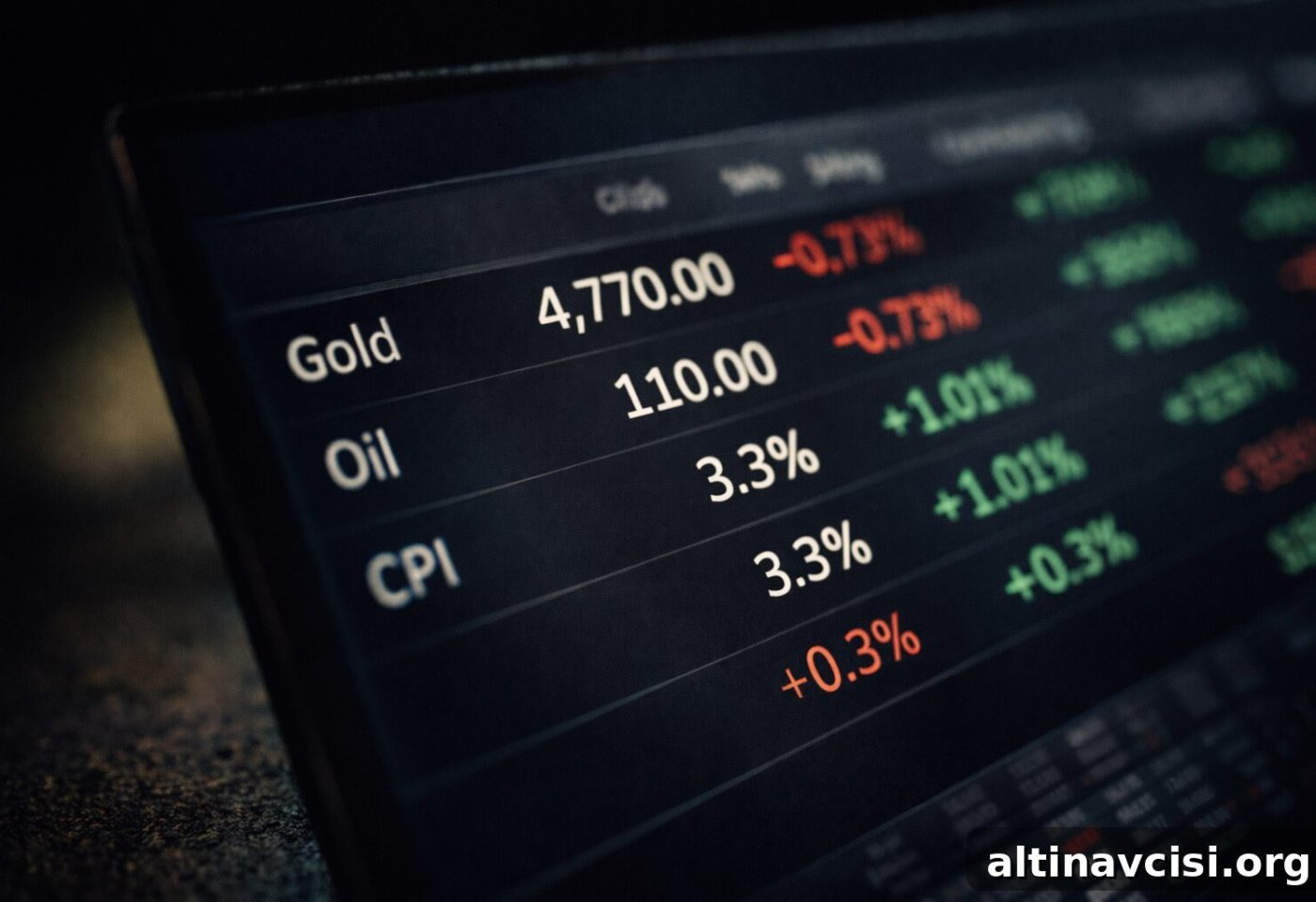
March CPI rose to 3.3% while Q4 GDP was revised down to just 0.5%. The stagflation scenario economists warned about for 2026 is beginning to appear in the data.
March CPI Comes in at 3.3%
The March Consumer Price Index, released at 8:30 AM ET, confirmed a sharp pickup in inflation. Headline CPI jumped to 3.3% year-over-year — the highest annual pace since May 2024 and a clear acceleration from February’s 2.4%. That one-month increase was unusually large and pushed attention back toward price pressures in the economy.
U.S. Consumer Price Index
Year-over-year % change · Jan. 2021–March 2026
Source: U.S. Bureau of Labor Statistics · Data as of April 10, 2026 · Chart by GoldSilver
On a monthly basis, consumer prices rose 0.9% — the largest monthly gain since June 2022. Core CPI, which excludes food and energy, edged up to 2.7% from 2.5% the prior month. A major driver was energy: the conflict in Iran pushed gasoline prices above $4 per gallon in many areas, producing one of the largest single-month fuel cost jumps in decades.
Inflation, however, is only part of the economic picture. The final revision for Q4 2025 GDP showed annualized growth of just 0.5%, down sharply from the initial 1.4% estimate. Real consumer spending was nearly flat in February, and personal income declined. The Fed’s preferred inflation gauge, the PCE index, registered 2.8% in February — a number that predates the recent geopolitical shock.
Those data leave the Federal Reserve in a bind: lower rates would help growth but risk further fueling inflation, while keeping policy tight could deepen an economic slowdown. March FOMC minutes showed some policymakers even discussing the possibility of raising rates — a reflection of how policy tools are being pulled in opposing directions amid emerging stagflation risks.
Ahead at 10:00 AM ET was a preliminary University of Michigan consumer sentiment reading for April, including updated inflation expectations. March’s one-year inflation expectation was revised up to 3.8% from 3.4%; another increase would strengthen the case that inflation expectations are drifting higher, complicating the Fed’s task.
What’s Keeping Gold Supported Near $4,770?
Gold remained around $4,770 per ounce on Friday morning, positioning the metal for a third consecutive weekly gain of roughly 2%. The price action has been volatile — including a midweek spike of 3.3% on ceasefire news and then a pullback — yet the trend has been upward as safety demand persists.
Several factors are supporting gold. Central bank purchases continue, with accumulation spreading beyond traditional buyers to countries such as Malaysia, South Korea, Uzbekistan, and sizable ongoing buying in China. Even when monthly totals fluctuate, the sustained trend of reserves accumulation matters for long-term demand.
Geopolitical risk is another major driver. The ceasefire remains fragile, the Strait of Hormuz is functionally constrained, and oil has retraced above $100 intraday. Those conditions keep safe-haven demand elevated. If the current stagflation signals intensify — higher inflation and weaker growth — gold’s structural bull case strengthens.
A near-term catalyst could come from diplomatic talks this weekend: a U.S. delegation led by the vice president visiting Islamabad to engage Iranian officials. If those discussions falter, expect renewed jumps in precious metals when markets reopen.
Silver traded near $75 after its ceasefire-driven surge. The gold-silver ratio around 63–64 indicates silver has not fully tracked gold’s war-premium repricing, suggesting room for further relative moves between the two metals.
The Edge Every Investor Needs
Smarter precious metals investing starts here. The Nuggets Newsletter delivers market insights, Fed updates, global trends, and timely analysis.
Why Is the Strait of Hormuz Still Closed Despite the Ceasefire?
The tentative two-week ceasefire between the U.S. and Iran is only a few days old and already showing signs of strain. The central promise — reopening the Strait of Hormuz to normal shipping — has not been fulfilled. Ship-tracking data showed only a handful of transits on recent days, compared with roughly 140 daily passages before the conflict. Hundreds of vessels remain stranded in the Persian Gulf, including many loaded oil tankers.
Officials in the region say access is being restricted and conditioned rather than freely restored. Meanwhile, military operations in Lebanon pose the biggest threat to the truce. Israel launched a major assault on multiple targets in Lebanon soon after the ceasefire was announced, producing heavy casualties and prompting Tehran to warn that the agreement could unravel.
Political statements from multiple capitals have added to the uncertainty. If diplomatic efforts this weekend fail to secure durable compliance across all fronts, the window for calm could close quickly — a prospect that keeps oil and safe-haven assets on edge.
Oil spiked above $100 intraday before easing back toward the high $90s, while Brent was near the mid-$90s on Friday morning.
Bank of America Says Commodities Will Surge for Years
Bank of America’s chief investment strategist Michael Hartnett argues that commodities are entering a multi-year structural bull market. After a long period when monetary easing and fiscal restraint favored bonds and equities, Hartnett sees a regime change driven by post-pandemic fiscal expansion, deglobalization, and rising demand for real assets.
Hartnett labeled oil and energy among the best contrarian trades heading into 2026, noting that sustained supply constraints and geopolitical risk could push prices substantially higher. He also warned that the current environment echoes some pre-2008 patterns, where rapid commodity gains preceded a tightening in credit markets.
His recommended framework includes tactical positions across commodities, long-duration Treasuries under certain yields, and selective equity exposure outside U.S. mega-cap tech. The broader point: structural forces that favor real assets and precious metals may also amplify market volatility and risk.
Could a New EU-US Minerals Deal Reshape the Global Resource Map?
The European Union and United States are reportedly close to an agreement aimed at securing critical minerals and reducing Western dependence on Chinese processing and supply chains. The draft plan includes incentives and cooperation mechanisms — such as minimum price guarantees for non-Chinese suppliers, shared standards, joint investments, and coordinated responses to potential supply disruptions.
China currently dominates many stages of rare earth mining and processing. Recent export controls from Beijing on materials like rare earths, gallium, germanium, and graphite have underscored how concentrated supply can become a strategic vulnerability. In response, Western governments are pursuing partnerships and trade arrangements with resource-rich countries to diversify supply and strengthen domestic processing capacity.
Stay On Top of Gold & Silver Prices
Get important market alerts sent straight to your inbox.
SOURCES
1. CNBC — CPI Inflation Report: March 2026
2. Yahoo Finance — Gold Heads for Weekly Gain as Traders Weigh Rate Outlook
3. Yahoo Finance — Trump Says Optimistic on Iran Despite Ceasefire Strain
4. Bloomberg — BofA’s Hartnett Sees Commodities Surge Lasting Years
5. Bloomberg — EU and US Near Critical Minerals Deal to Combat Chinese Control
6. IEA — With New Export Controls on Critical Minerals, Supply Concentration Risks Become Reality
This article is for informational purposes only and does not constitute financial or investment advice. Always consult a qualified financial advisor before making investment decisions.
You May Also Like
- War Risk, Stagflation Signals, and a $6,300 Gold Target
- Gold and Oil Brace for the Strait of Hormuz Deadline
- Iran War Deadline Puts Gold and Silver Prices on Edge
- Why Is Gold Falling When the World Is on Fire?
- Gold Jumps 2% as Trump Plans Iran War Address Tonight
- Gold Is Rising Again. The Reason May Surprise You
Popular Topics
Picked from the archive
-
01
 Topics
Gold Coins vs Gold Bars: Compare Value, Liquidity and Costs
-
02
Topics
Silver Price Hits $50 as Morgan Stanley Allocates 20% to Gold
-
03
Topics
HSBC Survey: Investors Double Gold Allocations as Markets Falter
-
04
Topics
Wall Street Whiplash: Stocks Rally on CPI, Plunge on PPI Shock
-
05
Topics
Gold Price Support Shifts After Ceasefire Violation
-
06
Topics
Gold Prices Jump Past $4,000 as Fed Signals Rate Cut
-
07
Topics
Why Gold Is Outperforming Nvidia in 2025
-
08
Topics
High Earners Falling Behind on Credit Cards and Auto Loans